

Introduction
You feel it too, right? Every week there is a new AI tool promising to change the way you market your business. It is exhausting trying to keep up. By the end of 2026, experts predict that over 80% of small enterprises will be using artificial intelligence for marketing. That is a huge shift happening fast.
The real question is not whether you should use AI. It is which digital marketing platform for small businesses actually works for you. With so many options, it is easy to waste time and money on the wrong one.
Here is the thing. Picking the right platform comes down to understanding a few key things. You need to know what AI features actually matter for your business. You need to understand the market landscape. And most importantly, you need to see real return on investment, not just flashy promises.
This article cuts through the noise. We looked at the latest data on small business AI adoption and talked to experts who track these trends closely. According to recent research on small business AI marketing adoption rates, businesses that embrace AI tools report a 25% increase in marketing ROI. That is not just a nice number. It means real growth for your bottom line.
Whether you run a solo operation or manage a growing team, you deserve a clear path forward.

We will walk you through how to find the right digital marketing platform for small businesses, compare marketing cloud options, and avoid the traps that trip up so many marketing firms today.
If you want to stay ahead of the curve without the headache, we also recommend you subscribe to Your Daily AI Shortcut.

It delivers simple daily AI insights straight to your inbox so you never miss what matters.
Let us get started. The right platform is out there. You just need a guide to find it.
The AI Revolution in Small Business Marketing
Not long ago, fancy AI tools were only for big brands with big budgets. That has changed fast. In 2026, any small business can access the same kind of marketing power that large enterprises use. The digital marketing platform for small businesses you choose likely includes AI features that were once too expensive to even consider.
According to the latest small business AI adoption data from SBE Council, 82% of small business employers have already invested in AI tools. Marketing is the number one use case. That means the average small business owner is using AI to write emails, create social posts, and run ad campaigns. This shift is not slowing down.
Here is the thing. AI has made it possible for a solo entrepreneur to act like a whole marketing team. You can use a marketing cloud to manage customer data, send personalized messages, and track results. All without hiring a large agency. For b2b marketing, AI helps you find the right leads and send the right message at the right time. Marketing firms of all sizes are also adopting these tools to serve clients better.
Market data backs this up. The AI predictions for small businesses in 2026 point to continued growth. Experts expect the market for AI marketing tools to keep growing at double-digit rates through 2027. That is because the return on investment is clear. Small businesses report saving 5 to 15 hours per week on marketing tasks alone.
You might wonder how to keep up. Using the right digital marketing platform for small businesses is part of the answer. But you also need to learn how to use AI tools effectively. That is where a resource like how to optimize your AI marketing funnel can help you get the most out of your efforts.
The AI revolution is here. It is not just hype. It is giving small businesses a real edge. And the best part? You do not need a huge budget to join in.
Core AI Capabilities to Look for in a Platform
Not every digital marketing platform for small businesses is built the same. Some have basic AI features that feel like afterthoughts. Others pack real power that can change how you work. Here are the core AI capabilities you should look for when choosing your marketing platform.
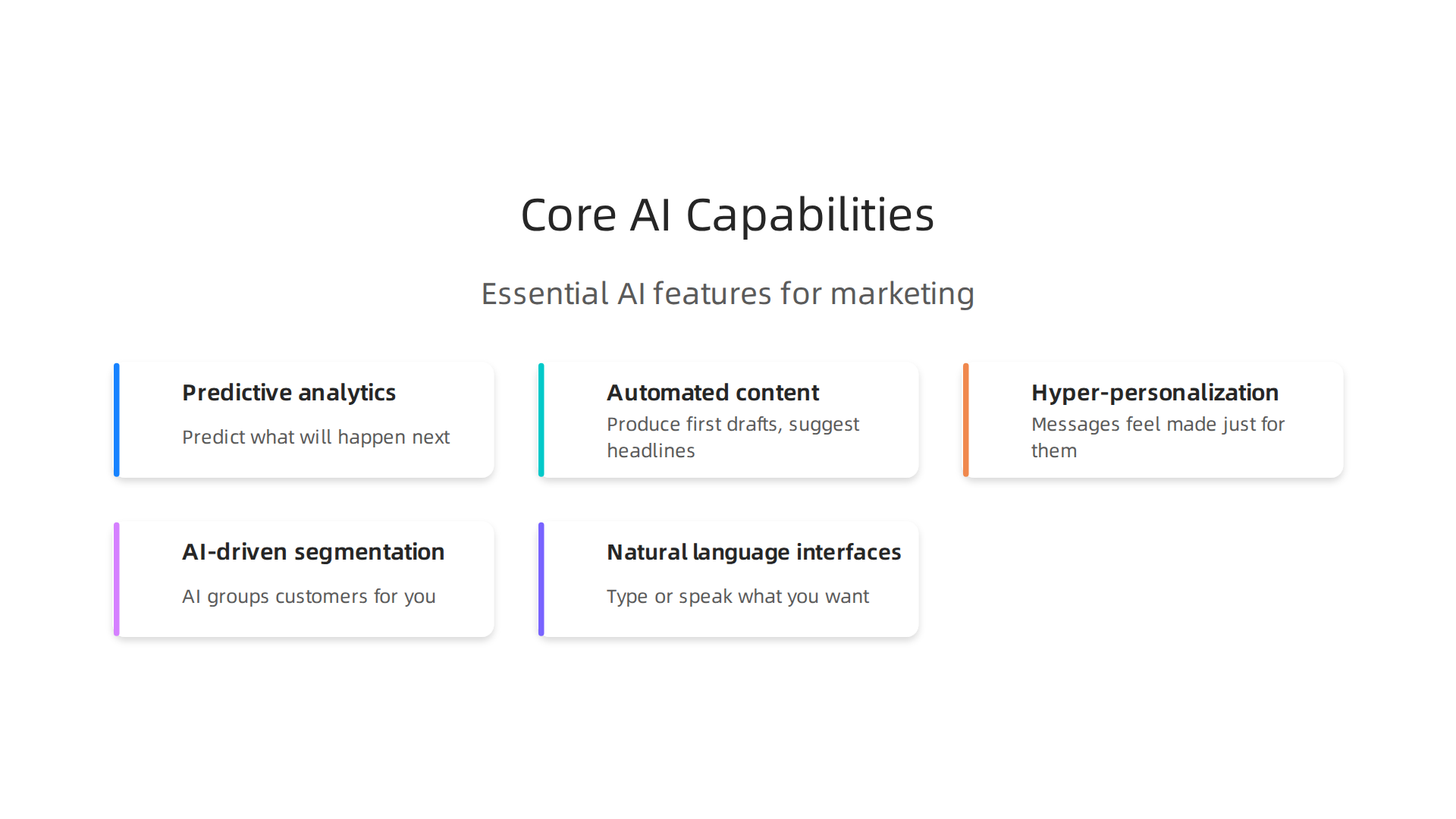
Predictive analytics. This is the ability to look at your past data and predict what will happen next. Which email subject lines get the most opens? Which customers are about to stop buying? A good platform uses AI to find these patterns automatically. Research shows that companies using AI in campaigns see 10 to 20 percent higher ROI. That kind of boost comes from knowing what to do before you even start.
Automated content generation. Writing posts, emails, and ad copy takes time. AI can produce first drafts, suggest headlines, and even create social media images. Look for a platform that does this well. You want natural-sounding text, not robotic filler. The best tools learn your brand voice and improve over time. According to a guide on small business AI adoption, content generation is the clearest win for ROI.
Hyper-personalization. Generic messages do not work anymore. Customers expect emails and ads that feel made just for them. AI makes this easy by using data like past purchases, browsing history, and location. With the right marketing cloud, you can send a different message to each person without doing extra work. This is huge for b2b marketing, where one-size-fits-all approaches fail.
AI-driven customer segmentation. Instead of guessing who your best customers are, AI groups them for you. It looks at behavior, interests, and buying patterns. Then it helps you target the right people with the right offer. This improves conversion rates because you are not wasting money on people who do not care. Marketing firms have used this tactic for years. Now small businesses can do it too.
Intuitive natural language interfaces. The old way of learning software meant watching hours of tutorials. Not anymore. Many platforms now let you type or speak what you want, and the AI does the rest. "Create a Facebook ad for my new product" or "Send a follow-up email to everyone who opened last week’s newsletter." This cuts the learning curve down to minutes. That matters when you are busy running your business.
When you evaluate which digital marketing platform for small businesses to adopt, check each of these features. The platform should offer more than one or two. A true all-in-one solution gives you predictive analytics, content tools, personalization, smart segmentation, and an interface you can talk to.
If you want to stay ahead of the curve and learn how AI is reshaping marketing every day, consider subscribing to Your Daily AI Shortcut. It delivers simple daily insights straight to your inbox. You will get updates on the latest tools and trends without the noise.
Key Metrics: ROI and Adoption Trends
You have learned which AI features matter in a digital marketing platform for small businesses. But how do you know if the one you pick is actually working? You need to track the right numbers. Let us look at the three most important metrics: return on investment, adoption rates, and customer satisfaction.

Return on investment (ROI). This is the big one. You want to know that every dollar spent on your platform comes back to you, ideally with extra.

The data shows that companies using AI in campaigns see 10 to 20 percent higher ROI. Small businesses that focus on marketing tasks report saving 5 to 15 hours per week. That is time you can reinvest into growing your business. The clearest wins come from content generation, ad optimization, and email marketing. According to a detailed overview of where ROI concentrates, marketing consistently delivers the strongest returns for small businesses. So when you look at a platform, ask how much time and money its AI tools will save you. Then compare that to the subscription cost.
Adoption trends. You also want to pick a platform that is gaining traction, not one that is fading away. The numbers here are encouraging. By the end of 2026, more than 80% of small businesses will be using artificial intelligence for their marketing efforts. That is a massive shift. And 93% of small businesses that already use AI plan to keep investing in it over the next year. More than half of those plan to increase their spending. When a digital marketing platform for small businesses has strong adoption, it usually means the tool is delivering real value. It also means the company behind it will keep improving the product. You want to ride that wave, not get left behind.
Customer satisfaction. A platform can promise the world, but if users are unhappy, you will be too. Look for reviews and satisfaction scores. Marketing firms that adopt AI often report higher engagement and loyalty from their own customers. That is a good sign. The best platforms get high marks for ease of use, support quality, and the accuracy of their AI outputs. If a platform has a low satisfaction score or lots of complaints about buggy features, move on. You do not have time to fight with your software.
To sum it up: track ROI to justify your spend, follow adoption trends to pick a winner, and check satisfaction scores to ensure you will actually enjoy using it. These three metrics will guide you to the right choice.
For a daily dose of simple AI insights that help you spot trends early, Join The Deep View Newsletter for simple daily AI insights.
Now that you know how to measure success, let us look at which platforms actually deliver those results. Several digital marketing platforms stand out in 2026 because they balance AI features, affordable pricing, and ease of use. Here is a quick look at the top contenders you should consider.
Mailchimp is a favorite for small businesses that focus on email marketing.
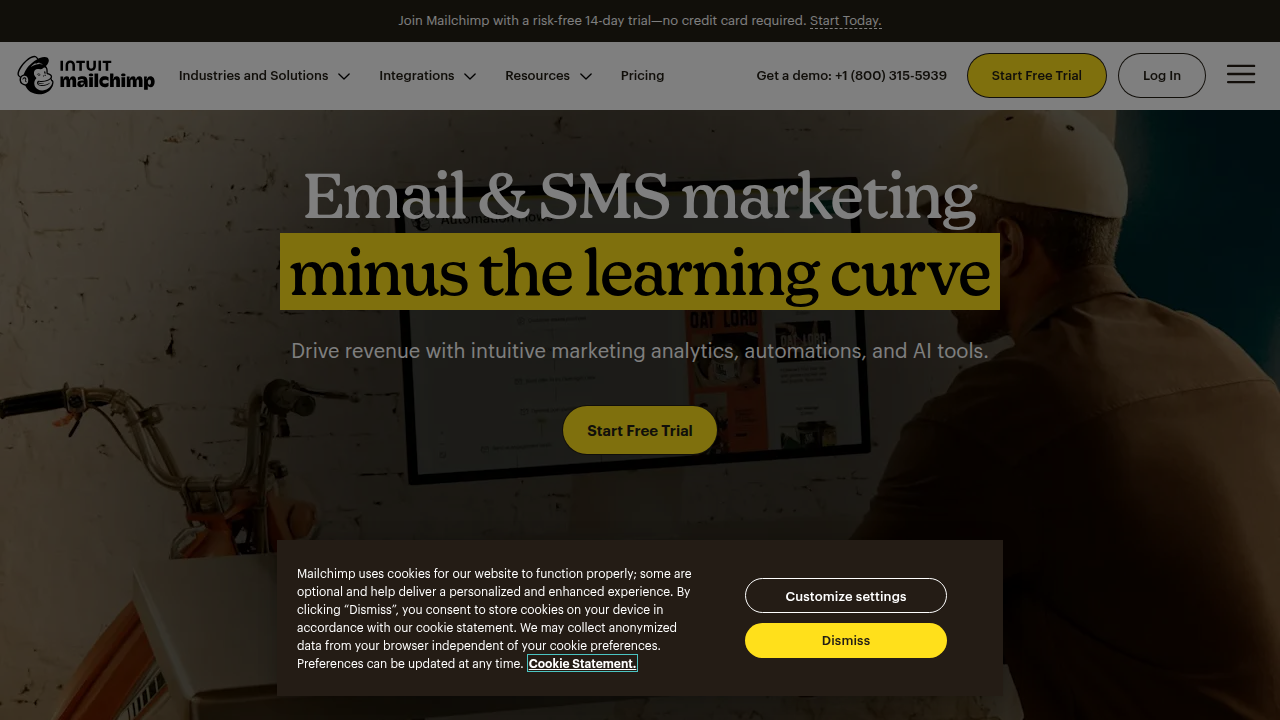
Its AI tools optimize send times, segment audiences, and recommend content. Pricing runs from $20 to $350 a month, and it connects with over 3,000 apps like Shopify and Salesforce. It is a great starting point if email is your main channel.
HubSpot (Breeze AI) is a full all-in-one growth platform.

It combines AI-powered CRM, marketing automation, and content tools. The Breeze Assistant is free for all users, and advanced features use a pay-as-you-go system. This makes HubSpot ideal for businesses that want to manage their full customer journey in one place. Many marketing firms rely on it for lead tracking and campaign management.
Jasper AI is built specifically for marketing teams that produce high volumes of content.
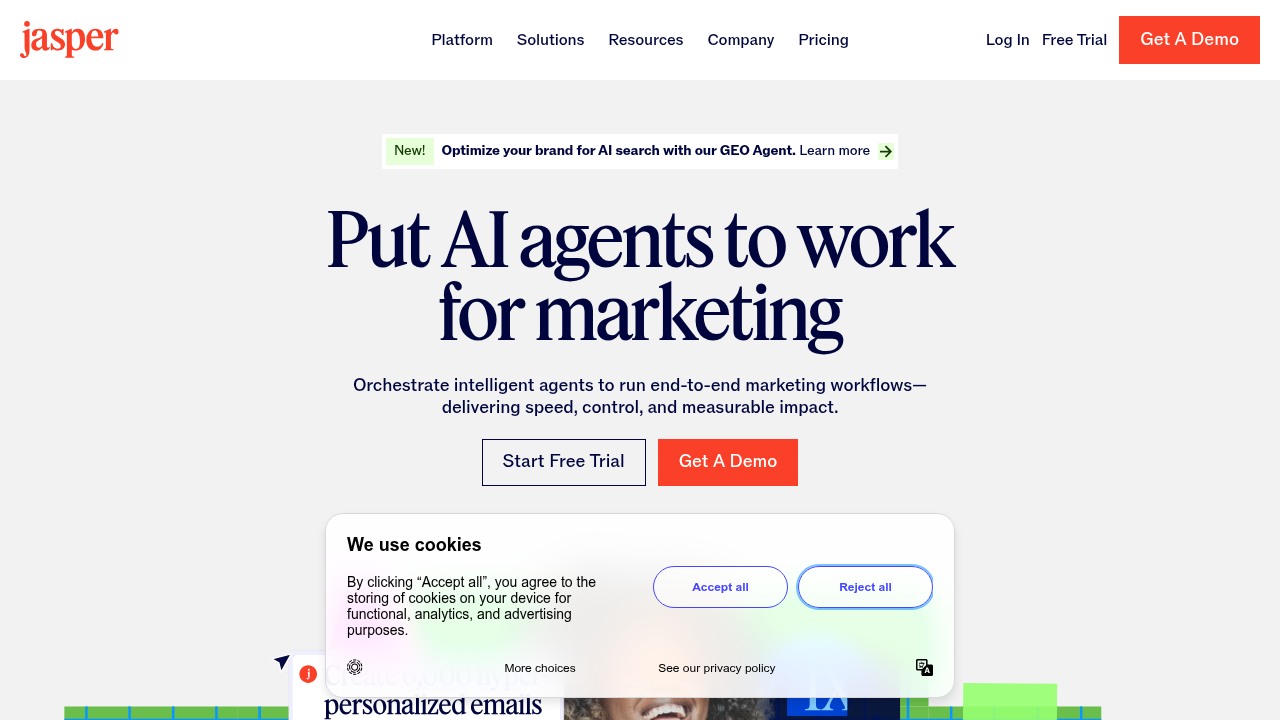
You train it on your brand voice, and it generates first drafts for blogs, ads, and emails. It starts at $59 per month, and it works well for agencies or small teams that need to scale writing without hiring more people.
Drift focuses on conversational marketing. Its AI chatbots qualify leads, schedule meetings, and answer questions in real time. If your website gets a lot of traffic, Drift can turn visitors into conversations without extra effort.
For a side-by-side view of all these tools, check out this detailed guide to AI marketing tools. It breaks down features, integrations, and pricing so you can compare at a glance.
User reviews also matter a lot. The best AI tools for small businesses in 2026 include platforms like Mailchimp and Shopify’s built-in AI, according to real users. Look for tools with high marks for support and accuracy.
After you pick a platform, the next step is making it work for your business. You can learn more about how to optimize your AI marketing funnel for better results. That article walks you through the exact steps to turn leads into customers using your chosen platform.
Remember, the best contender is the one that fits your specific needs and budget. Start with a free trial if available. Test the AI features that matter most to you. And pay attention to how responsive the support team is during your trial. That will tell you a lot about the real-world experience.
Integration and Scalability Considerations
Once you pick a platform, you need to think about how well it plays with the rest of your tools. And whether it can grow with you. A digital marketing platform for small businesses should not be an island. It needs to talk to your CRM, your e-commerce system, and your analytics software. If it does not, you will waste hours moving data by hand or building custom connections.
Seamless integration saves time. Look for platforms that offer native connectors to popular tools like Salesforce, Shopify, and Google Analytics.

The more direct integrations a platform supports, the less friction you will face in your daily workflow. Many marketing firms have learned this the hard way: they picked a tool that looked great alone but did not fit their stack. Always check the integration marketplace before you buy.
Scalability keeps you from starting over. The best platforms let you add users, increase contact limits, or upgrade features without a full migration. Moving all your data to a new system is painful and risky. So when you evaluate a tool, ask yourself: Will this still work when I have twice as many customers? Will it still fit my budget? Most top contenders offer tiered plans, so you can move up as your needs grow. That way you avoid costly migrations later.
Open APIs and marketplaces are good signs. A platform with an open API means you can build custom integrations if your business outgrows the pre-built options. A thriving third-party marketplace also shows the ecosystem is healthy. Developers create add-ons that extend what the platform can do, from advanced reporting to social media scheduling. This flexibility is a strong sign the tool will adapt to your future needs.
Before you commit, check the security and compliance side too. The U.S. Small Business Administration recommends having another person review all AI outputs to make sure they are ethical and secure. Avoid feeding sensitive data into tools that lack strong privacy controls.
For a deeper look at how business leaders track AI changes in 2026, read this article on tracking AI innovators in 2026. It shows how smart companies prepare for scale.
If you want to stay on top of how AI tools are evolving without the noise, join The Deep View Newsletter for simple daily AI insights. It helps you keep up without the information overload.
Real-World Success Stories
Let’s look at what actually happens when small businesses put a digital marketing platform to work. Numbers on a spec sheet are one thing. Real results from real companies are another.
A boutique online retailer was running their email campaigns manually. Every send took hours. They switched to an affordable marketing platform with AI-powered send-time optimization. Within three months, their open rates jumped by 40%. Conversion rates followed. They went from guessing when to send to letting the platform learn their audience’s habits.
Forbes recently reported that 54% of small businesses already use AI marketing tools, and another 27% plan to adopt them in 2026. That means four out of five small businesses will rely on these tools by the end of the year. The reason is simple: they work.
A small B2B marketing agency I know adopted a full marketing cloud suite. Before, they managed leads in a spreadsheet. After setting up automated lead scoring and nurturing workflows, their sales team focused only on hot leads. Deal velocity increased by 60%. The agency grew from five employees to fifteen in eighteen months without adding marketing headcount.
Here is what the data shows across many industries:
- Email-first businesses: Small online retailers using AI marketing tools see 25% to 35% higher conversion rates compared to stores running manually.
- Content-driven teams: Agencies using AI content tools produce drafts five times faster while keeping brand voice consistent.
- Lead generation engines: Companies that combine AI chatbots with email sequences capture three times more qualified leads per month.
The common thread? Success comes from matching the right platform to the specific need. A digital marketing platform for small businesses that works for a boutique clothing store may not fit a construction supply company. The key is understanding what you actually need before you sign up.
If you want to learn how to set up your own automated workflows, check this practical guide on optimizing your AI marketing funnel in 2026. It walks through the exact steps successful companies use.
The bottom line is clear. Small businesses that pick a platform aligned with their actual marketing needs regularly see 2x to 5x returns in the first year. That is not hype. That is what the numbers show.
Your Daily AI Shortcut: Want to stay updated on which AI marketing tools are delivering real results without spending hours researching? Join The Deep View Newsletter for simple daily AI insights. It keeps you informed without the noise.
Common Pitfalls and How to Avoid Them
The success stories sound great, right? But here is the truth. Many small businesses trip over the same mistakes when they start using a digital marketing platform for small businesses.
Knowing these pitfalls upfront can save you time, money, and frustration.
Pitfall 1: Letting Automation Run Without Human Oversight
AI can draft emails, write social posts, and even respond to customer questions. But if you let it run unchecked, your brand voice can turn robotic, awkward, or even offensive. The U.S. Small Business Administration warns that you must always have a person review AI-generated content. This protects your brand and keeps customer trust strong. So set up a simple review process. Have a human read every email campaign and social post before it goes out. It only takes a few minutes, and it keeps your voice authentic.
Pitfall 2: Buying a Platform That Does Too Much
Some marketing cloud solutions come packed with features you will never use. That sounds like a good deal, but it often leads to low adoption. Your team gets overwhelmed, ignores the tool, and your money goes to waste. A study from Harvard Business School points out that companies often invest in tools that don’t match their actual workflows. Instead of chasing every feature, pick a digital marketing platform for small businesses that fits your current needs. Start with the basics and grow from there. If you are exploring options, check out some AI productivity tools tested and compared for 2026 to see what actually works.
Pitfall 3: Ignoring Data Privacy and Compliance
AI tools need customer data to work well. But using that data carelessly can get you into legal trouble. Many small business owners worry about data security and compliance with laws like GDPR and CCPA. According to a guide on integrating AI in small business marketing, you must ensure your AI tools follow data protection regulations. Be transparent with your customers about how you use their information. Never feed sensitive data into free AI tools without reading the privacy policy first.
The Smart Path Forward
Avoid these three mistakes, and you will get much more out of your investment. Keep humans in the loop, choose tools that match your real needs, and always protect customer data. That is how you turn a digital marketing platform for small businesses into a real growth engine.
Future Outlook: AI Trends for 2027 and Beyond
The world of small business marketing is changing fast. If you think AI has already made a big impact, just wait. The next couple of years will bring even bigger shifts. Here is what you can expect, and how a good digital marketing platform for small businesses can help you ride the wave.
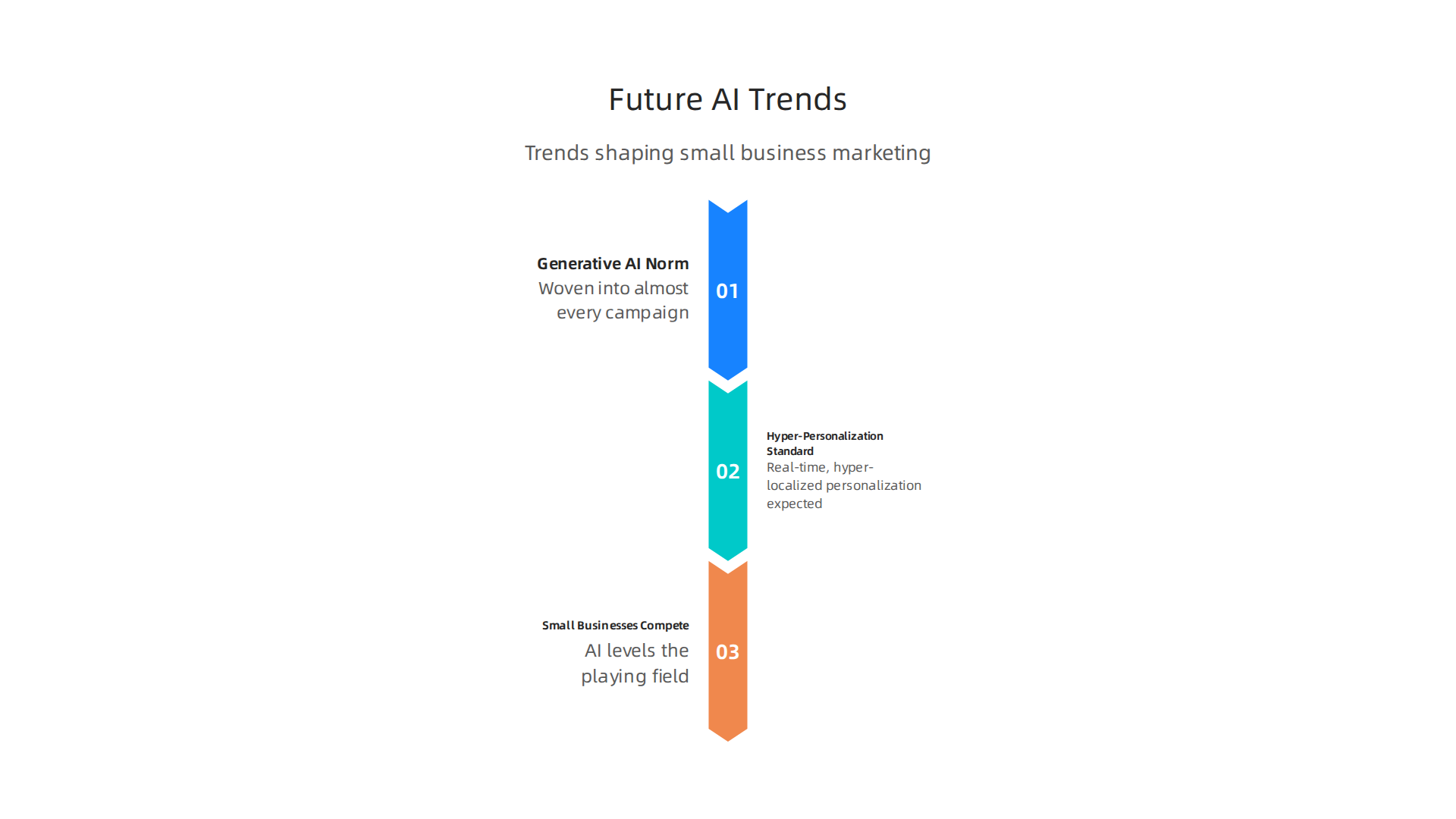
Generative AI Becomes the Norm
Generative AI is already helping with emails, social posts, and ad copy. But by 2027, it will be woven into almost every campaign. Instead of just writing text, AI will help you create entire marketing funnels from scratch. It will suggest the best images, video scripts, and even chatbot replies. According to a recent industry analysis, 93% of small businesses using AI plan to keep investing in it next year, and most will add more tools. This means your digital marketing platform for small businesses will need to handle this new wave of content creation without slowing you down.
Hyper-Personalization Becomes Standard
Remember when "personalization" meant just using a customer’s first name in an email? Those days are ending. By 2027, real-time, hyper-localized personalization will be expected. AI will study what each customer likes, where they live, and how they browse, then adjust your messages instantly. A single platform can serve different content to different people without you lifting a finger. This is not science fiction. It is already happening with smart marketing cloud tools that help small businesses act like big brands.
Small Businesses Compete Like Giants
One of the most exciting trends is how AI levels the playing field. Small teams with a smart digital marketing platform for small businesses can now compete with much larger companies. AI handles tasks that used to require whole departments. Experts predict that AI will allow solopreneurs and micro-businesses to operate at levels that were impossible just a few years ago. You do not need a huge budget or a big team anymore. You need the right tools and a willingness to learn.
Want to stay ahead of these trends without drowning in information? Join The Deep View Newsletter for simple daily AI insights. It will keep you updated on exactly what matters for your business.
To get started today, check out this guide on how to optimize your AI marketing funnel. It will show you how to set up your platform for the future.
Summary
This article guides small business owners through choosing the right digital marketing platform with AI, cutting through hype to focus on real, measurable value. It explains which AI capabilities matter—predictive analytics, automated content generation, hyper-personalization, smart segmentation, and natural language interfaces—and why those features boost ROI and save hours each week. The piece reviews key metrics to track (ROI, adoption, satisfaction), compares leading platforms and pricing, and explains integration and scalability considerations so you won’t outgrow your tool. You’ll read real-world success stories showing typical results and learn the common pitfalls to avoid, such as unchecked automation and poor privacy practices. Finally, the article outlines near-term trends so you can pick a platform that adapts as generative AI and hyper-personalization become standard. After reading, you’ll know how to evaluate platforms, set realistic expectations, run trials, and deploy AI safely to get measurable marketing gains.