

Why data-driven AI careers matter now (and how to cut through the noise)
In 2026, the world of work is changing faster than ever, thanks to amazing new AI tools. It feels like every day there’s a new AI breakthrough, and a lot of information comes out at once. This can make it really hard for people who want to grow in their jobs or find a new career path. It’s easy to feel lost in all the noise when you’re trying to figure out what skills you need or where the best jobs are going to be.

But here’s the good news: many jobs in data and AI are growing fast. For example, nearly 11.5 million new jobs in data science and analytics are expected by the end of 2026, with data analyst roles seeing a lot of growth Data Analyst Job Outlook 2026: Growth, Salaries & Career …. These are jobs where you use information to help companies make smart choices. If you want a job where you can make a real difference, a data-driven AI career is a great choice.
This article is here to help you see clearly through all that information. We will show you what kinds of data-focused jobs are out there, like becoming an AI scientist or understanding what a data scientist does. We will focus on the path to becoming an IBM data analyst, explaining how to get the skills you need and what steps to take. We’ll also cover useful tips for finding jobs, whether you are looking for Indeed data analyst jobs or aiming for bigger companies like Capital One. Our goal is to give you a clear map to help you get hired or move up in your career this year.
Staying on top of all the AI news can be tough. Get clear daily AI updates to help you cut through the noise.
The AI Newsletter Worth Reading
What employers mean by ‘data analyst’ in AI teams (and where IBM Data Analyst fits)
It is great that many jobs in data and AI are growing fast. But when you look for a job like "data analyst," you might see many different kinds of duties. In 2026, with AI being so important, what does a company truly mean when it looks for a data analyst to join its AI teams? Let’s break it down.
A data analyst is like a detective for numbers. They look at facts and figures to help a business make better choices. But depending on the company and the team, their daily work can change a lot.
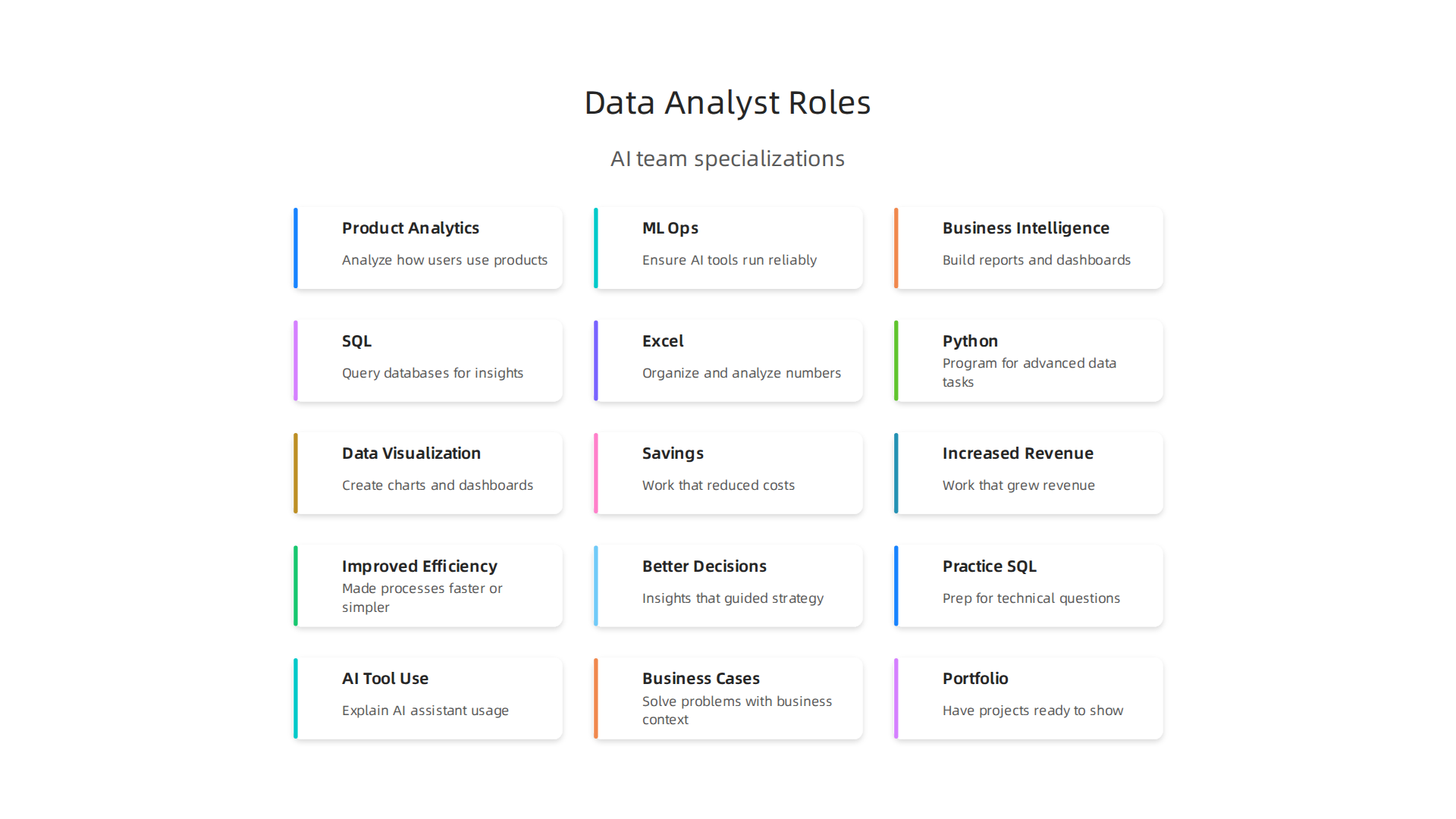
- Product Analytics: Some data analysts focus on how people use a product. They check things like, "Are customers clicking this new button?" or "Which parts of our app do people like best?" They use data to help make products better.
- ML Ops (Machine Learning Operations): Other analysts work closely with AI models. This might sound complex, but it means they help make sure the AI tools are working correctly. They check the data that feeds the AI and the results the AI gives. Think of it as making sure the AI "brain" is getting good information and giving smart answers. Companies want people who understand machine learning basics for these roles What Skills Companies Expect From AI Data Analysts.
- Business Intelligence (BI): Many data analysts work in Business Intelligence. They gather information from different parts of a company and turn it into easy-to-understand reports and dashboards. This helps leaders see how the business is doing and where to improve. This kind of work is all about making smart decisions using data What is Business Intelligence: AI-Powered Insights for Smart Decisions in 2026.
These roles show that being a data analyst today often means you need a mix of traditional data skills and some AI knowledge. To learn more about what this job means, you can read our guide on What Is a Data Analyst: Your 2026 Career Guide.
The IBM Data Analyst fits right in
The IBM Data Analyst Professional Certificate is a popular way for many people to get into this field. This program teaches you the core skills that employers are looking for, no matter which type of data analyst role you aim for.
It covers important tools and methods:
- SQL: This is a computer language used to talk to databases and pull out the information you need. Many jobs, including those found on platforms like Indeed, require SQL skills [Stop Rejection: The Data Analyst Job Strategy (2026)].
- Excel: This program helps you organize and work with numbers in spreadsheets. It’s a key tool for almost any data analyst.
- Python: This is a programming language that lets you do more complex data tasks, like cleaning messy data or creating charts.
- Data Visualization: This means making charts, graphs, and dashboards that show data in a clear, simple way.
By learning these skills, an ibm data analyst is well-prepared for entry-level jobs. Companies like Capital One, for example, look for candidates with strong foundations in these areas. The skills you gain from an IBM data analyst program are exactly what’s needed to tackle data challenges across product analytics, ML Ops, and Business Intelligence in today’s AI-driven world.
High-value skills and tools: SQL, data modeling, Python, and IBM-specific platforms
We talked about how important tools like SQL, Excel, Python, and data visualization are. Now, let’s look closer at what skills really make you stand out and get good jobs in 2026, especially for teams working with AI. An IBM data analyst, or any data analyst, needs to have skills that truly help with AI projects and make a quick impact.
SQL is More Than Just Queries
SQL is a must-have skill that many employers look for in 2026. But it’s not just about asking databases for information. It’s also about understanding data modeling. This means knowing how data is put together and stored. This helps you get the right data ready for AI models. After all, if the data is bad, even the smartest AI can’t give good answers.
Python: Beyond the Basics
While Python helps you make charts, it does much more. For AI projects, Python is key for cleaning messy data and preparing it for AI models. It can even help you build simple tools that predict future events. If you’re aiming for a role like a Capital One data analyst, these Python skills are very important. If you want to dive deeper into how Python can boost your data analysis career, check out this guide on how to accelerate your career with Python for data analysis in 2026.
Data Modeling and Cloud Tools
Thinking about how data is structured, or "data modeling," is a very high-value skill. It helps make sure data is reliable and ready for anything. This includes daily reports or complex AI systems. Also, knowing how to use cloud-based data tools (like those from IBM, Amazon, or Google) is becoming more and more important. These tools let teams store and work with huge amounts of data in a smart way. Many job postings from late 2025 to mid-2026 show the increasing demand for these kinds of skills in their most in-demand skills 2026 datasets.
Where the IBM Data Analyst Program Helps (and Potential Gaps)
The IBM Data Analyst Professional Certificate does a great job teaching you SQL, Excel, Python, and data visualization. These are core skills that will get you ready for many entry-level "indeed data analyst jobs" or even roles focused on AI. In fact, these are some of the 7 In-Demand Data Analyst Skills to Get You Hired in 2026.
However, as you move toward becoming an ai scientist or a more advanced data analyst, you might need to learn more about specific AI tools or advanced statistics. For example, some roles might ask for skills in machine learning basics or how to use specialized AI platforms. The IBM program gives you a very strong start, but it’s important to keep learning and build on these foundations. To find out more about entry-level roles, you can explore data analyst entry-level jobs 2026.
Staying up-to-date with all the new AI models and tools is key. Get clear daily AI updates from The AI Newsletter Worth Reading.
To keep growing your career beyond those first steps, it helps to know the different paths you can take. A data analyst role is a great start, but it’s just the beginning. You can move up, specialize, or even switch to new and exciting areas like Machine Learning (ML) engineering or product management.
Moving Up: From Analyst to Leader
A common path for a data analyst is to become a Senior Data Analyst. This means you handle bigger projects and help guide newer team members.

You learn to lead efforts and take on more complex problems. Beyond that, you might move into leadership roles in analytics, where you manage teams and set the direction for how data is used in a company. For instance, in 2026, a Data Analyst Salary Guide 2026 shows that senior analysts can earn significantly more, highlighting the value of this progression.
Specializing in AI or Product Roles
Many data analysts choose to specialize. Becoming an AI Data Analyst in 2026 is a popular choice, especially with the rise of AI. This means focusing on preparing data for AI models and understanding how AI helps businesses. If you’re interested in building the AI systems themselves, you might transition to an ML engineering role. This often involves more coding and working directly with machine learning models.
Another path is product analytics. Here, you use data to help make better product decisions, like what features to add or how to improve user experience. You could even become an ai scientist if you gain advanced skills in statistics and machine learning. To make these moves, you’ll need to learn advanced concepts like prescriptive analytics, which helps predict future outcomes and suggest actions.
Showing Your Skills: Portfolio and Projects
To make any of these career moves believable, you need strong proof of your skills. This means building a great portfolio of projects. For example, when hiring managers look at Data Analyst Interview Questions 2026, they often want to see how you’ve solved real-world problems. Your projects should show how you can:
- Clean and prepare data.
- Find key insights from data.
- Build tools or models that help a business.
- Communicate your findings clearly.
Recruiters in 2026 are looking for specific skills like AI literacy and analytical thinking, as noted in the 12 Skills Recruiters Look For in 2026. Make sure your portfolio highlights these. Having projects that use different tools and show your problem-solving process is important. It truly helps if your Data Portfolio gets interviews in 2026.
These projects are like your resume for your skills, showing what you can actually do. If you want to know more about the specific data scientist skills needed to advance, you can explore guides on mastering AI in 2026 for overall career strategies. This helps you understand what it takes to become a senior data scientist and beyond.
To truly stand out and get those advanced data roles, your projects need to show real results. It’s not just about doing tasks; it’s about solving problems that help a business. Hiring managers want to see how you think and what impact you can make. Here are some types of projects that really impress them.
Real-world portfolio projects that hire managers actually value
- Cleaning Data and Showing Clear Metrics: Many businesses struggle with messy data. A great project cleans up a difficult dataset and then shows how this clean data helps measure important business goals. For example, you could take customer data, clean it, and then show how many more sales happened after a certain change. This shows you understand how data quality affects business choices.
- Building End-to-End Dashboards: Companies like Capital One or an
IBM data analystteam use dashboards every day. If you can build a dashboard that takes raw data, processes it, and then displays key information clearly, that’s a huge plus. Think about making a dashboard that tracks website visitors, sales over time, or even how well a marketing campaign is doing. This shows you can not only analyze data but also present it in a way that helps leaders make smart decisions. You can learn more about how to design a high-impact Google Analytics dashboard to make smart decisions. - Helping with AI Model Features: If you’re looking to become an
AI scientistor work with machine learning, show how you prepare data for AI models. This might mean finding new ways to represent data that makes an AI model work better. For instance, transforming customer reviews into numbers that an AI can understand. This proves you knowwhat does a data scientist doin more advanced settings. - Creating Data Monitoring Pipelines: Businesses rely on data being correct all the time. A project that sets up a way to automatically check data for errors or missing pieces is very valuable. This shows you care about data quality and reliability, which is key for any data-driven company.
When you show off these projects, remember to include a clear explanation. A good project often has:
- A README file: This is like a guide that explains what your project does, why you built it, and how it helps solve a problem.
- Reproducibility notes: Tell people how they can run your project themselves. This shows your work is solid and easy to understand.
- Measurable outcomes: Always explain the impact. Did your clean data lead to a 10% increase in reporting accuracy? Did your dashboard help identify a problem that saved the company money? Numbers speak louder than words.
Remember, recruiters look for strong problem-solving skills and a clear understanding of how data creates value. Highlighting these points in your portfolio can make a big difference when applying for indeed data analyst jobs in 2026. According to experts in 2026, a strong portfolio should show how you handle a problem from start to finish, not just bits and pieces of code Talent Acquisition in 2026: AI Hiring Guide. When preparing for interviews, be ready to talk in detail about your projects, especially any tough challenges you overcame, as noted in a Data Analyst Interview Questions (2026 Guide).
To stay on top of the latest trends in data and AI that can inspire your next portfolio project, consider getting regular updates.
Get clear daily AI updates from The AI Newsletter Worth Reading.
Beyond impressive projects, having the right credentials and continuous learning can significantly boost your chances of landing a top data role. Recruiters in 2026 look closely at how you keep your skills fresh, and certifications are one way to show that.
Certifications, credentials, and on-the-job learning that accelerate hiring (including IBM Data Analyst)
When you’re trying to get an indeed data analyst job, you might wonder if you need more than just projects. Different types of learning paths can help you stand out:
- Vendor Certifications: These are often offered by big tech companies. For example, the IBM Data Analyst Professional Certificate shows you’ve learned specific tools and methods IBM uses. Other companies like Microsoft or Google also offer their own certifications. They prove you know how to use certain software or platforms, which is very helpful for specific roles.
- University Microcredentials: These are shorter, focused programs from universities. They give you a formal badge of learning without requiring a full degree. They often cover specialized topics and can add academic weight to your skills.
- Bootcamps: These intensive programs teach practical skills quickly. They’re great for hands-on learning and often include project work. Many people find bootcamps helpful for making a career change into data analysis.
- Employer Training: Sometimes, companies offer their own training programs. If you get a chance to do this, it’s very valuable because it teaches you exactly what that company needs.
When Certifications Make a Big Difference
Certifications are especially helpful when you are just starting out or moving into a new area. They can show that you have a basic understanding and are ready for entry-level tasks. For instance, research shows that getting a certification can increase your chance of finding a job. Studies even suggest that knowing basic Excel can lead to quicker employment for some roles, as highlighted in "Assessing the Impact of Professional Certifications on Time to Employment".
However, it’s important to remember that certifications aren’t always the only answer. While they boost your resume, especially for a specific skill like being an ibm data analyst, sometimes demonstrable projects and real-world experience speak louder.
When Projects and Experience Are More Important
For more advanced roles, like an ai scientist, or when showing what does a data scientist do in a complex setting, your portfolio projects often carry more weight. This is because they show you can solve real problems and think critically. Recruiters want to see how you handle data from start to finish and the actual impact of your work, not just that you passed a test. In fact, employer use of skills-based hiring practices grows, with 70% of employers using this method in 2026. This means they care more about what you can do than just a piece of paper.
A good mix of strong projects and relevant certifications is often the best path to accelerate your hiring. It shows you have both the foundational knowledge and the practical skills to make a difference. If you want to dive deeper into what a data analyst does, check out our guide on what is a data analyst.
Landing a great data role isn’t just about getting hired, it’s also about what you earn and how you make sure your pay reflects your value. Knowing how to talk about money and show your impact can make a big difference in your career.
Salary ranges, negotiation tactics, and how to quantify your impact
When you’re looking at indeed data analyst jobs or thinking about becoming an ai scientist, understanding salary is key. In 2026, data analyst salaries can vary quite a bit based on where you live, your experience, and specific skills.
For entry-level data analysts in the US, salaries typically fall between $65,000 and $85,000 per year, though some reports show a wider range from $72,000 to $98,000 for base pay in 2026 Data Analyst Salary Guide 2026: Pay by Level, City & Skill. If you specialize in AI, an ai data analyst might earn around $82,640 per year Salary: Ai Data Analyst (September, 2026) United States. Companies like Capital One, for example, might offer different rates based on their specific needs and locations. For more advanced roles, like a senior data scientist 2026, those numbers can go much higher.
How to Show Your Impact for Better Pay
To negotiate effectively, you need to show your value clearly. This means converting your project outcomes into business value. Don’t just list what you did, explain what happened because you did it.
Here are ways to quantify your impact:
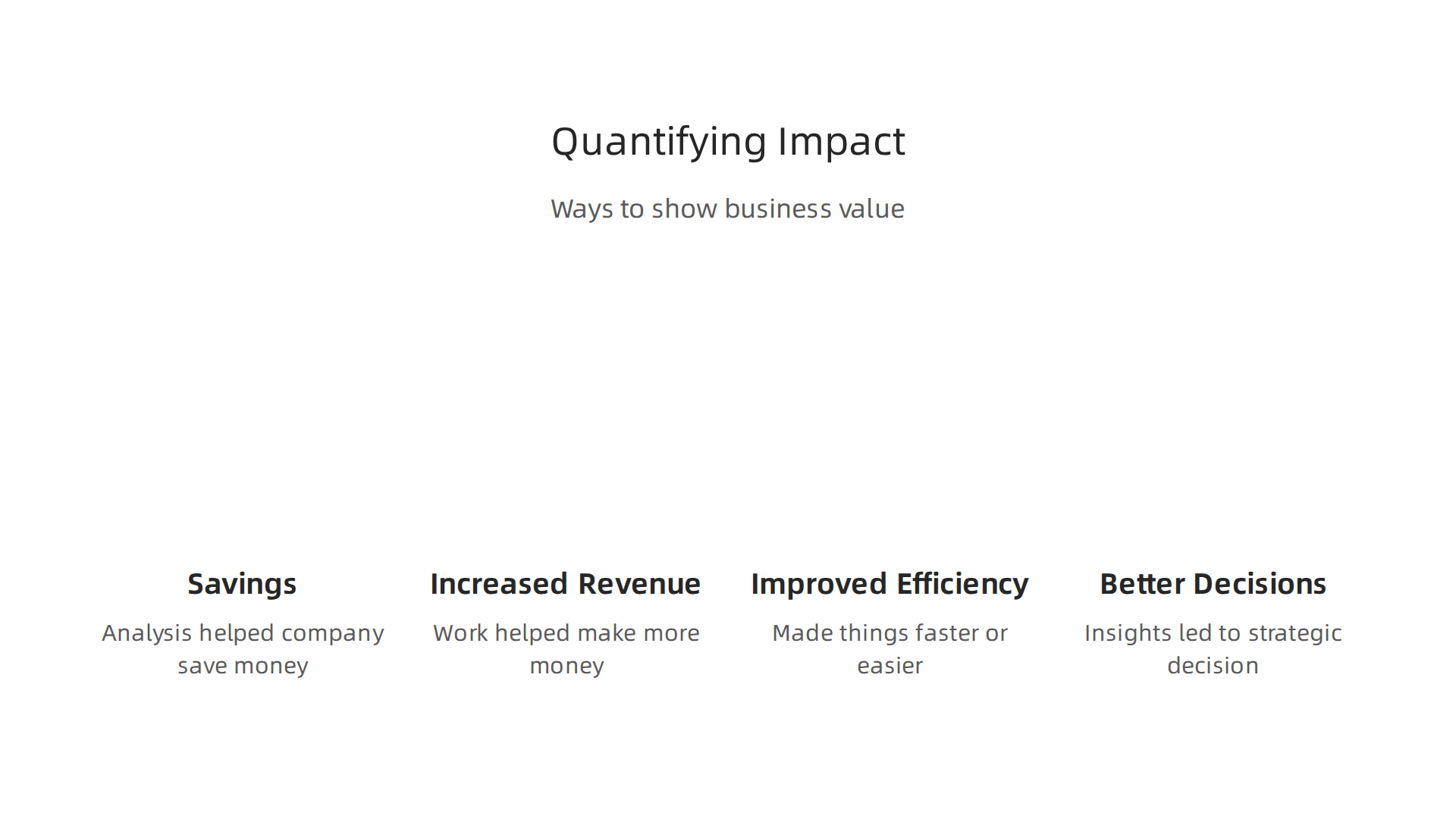
- Savings: Did your analysis help the company save money? For example, "My data model identified a flaw in our spending, leading to a 15% cost reduction, saving the company $100,000 this year."
- Increased Revenue: Did your work help make more money? Maybe a new report showed how to sell more of a product. "My segmentation analysis led to a targeted marketing campaign that boosted sales by 5% in Q3."
- Improved Efficiency: Did you make things faster or easier for your team? "I automated a data cleaning process, which cut down preparation time by 10 hours a week for the entire team."
- Better Decisions: Did your insights lead to a crucial strategic decision? "My market trend analysis helped leadership decide to enter a new product category, which is projected to grow by 20% next year."
Talking about these kinds of specific results is much more powerful than just saying, "I built dashboards." When you can show how your work as an ibm data analyst directly helped the company’s bottom line or efficiency, you strengthen your position significantly. Recruiters and hiring managers are interested in these business impact metrics The Only Metrics That Matter – Business Impact Metrics (A ….
Practical Negotiation Tips for Data Analysts
Once you know your worth and can show your impact, it’s time to negotiate.

- Do Your Research: Know the typical salary ranges for your role and experience level, especially for
remote data analytics jobs in 2026. Tools and guides can help you find average salaries. - Highlight Accomplishments: Use your quantified impact stories (like the examples above) to explain why you deserve a certain salary. Focus on how you solved problems or created value.
- Be Confident, Not Demanding: It’s a conversation, not a fight. Clearly state your expectations and back them up with your skills and achievements.
- Consider the Whole Package: Salary is important, but also think about benefits, bonuses, stock options, and paid time off. Sometimes, a lower salary with excellent benefits is better than a higher salary with poor ones.
- Don’t Jump at the First Offer: It’s usually a starting point. Take time to think about it and prepare a thoughtful counter-offer.
By being prepared and knowing how to speak about your achievements in terms of business value, you can greatly improve your chances of getting the salary you deserve for any data role.
Stay ahead with the latest in AI and technology to inform your career decisions.
The AI Newsletter Worth Reading
Once you understand your value and how to talk about money, the next step is actually getting that great data job. This means knowing how to apply, prepare for tough interviews, and connect with the right people in 2026.
Landing the role: targeted applications, prepping for technical interviews, and networking strategies
To find the best indeed data analyst jobs or step into an ai scientist role, you need a smart plan. Don’t just send out many resumes. Instead, focus on jobs that truly fit your skills and career goals. If you’re aiming for an ibm data analyst position or a data role at a company like Capital One, look closely at what they need. Make sure your resume and cover letter clearly show how your past work matches their job description. Emphasize any projects where you used AI tools or helped with AI projects. This is key for teams working on advanced AI solutions.
Getting Ready for Technical Interviews
Technical interviews can feel scary, but with good practice, you can do well. In 2026, data analyst interviews often check three main things: how well you talk to others about data (stakeholder translation), how you frame business problems, and your judgment. Interviewers will want to know how you tackle real-world data issues and use tools like SQL, Python, or even AI assistants in your daily work Data Analyst Interview Questions 2026: Hiring Manager Insights.
Here’s a quick checklist for your technical interview prep:
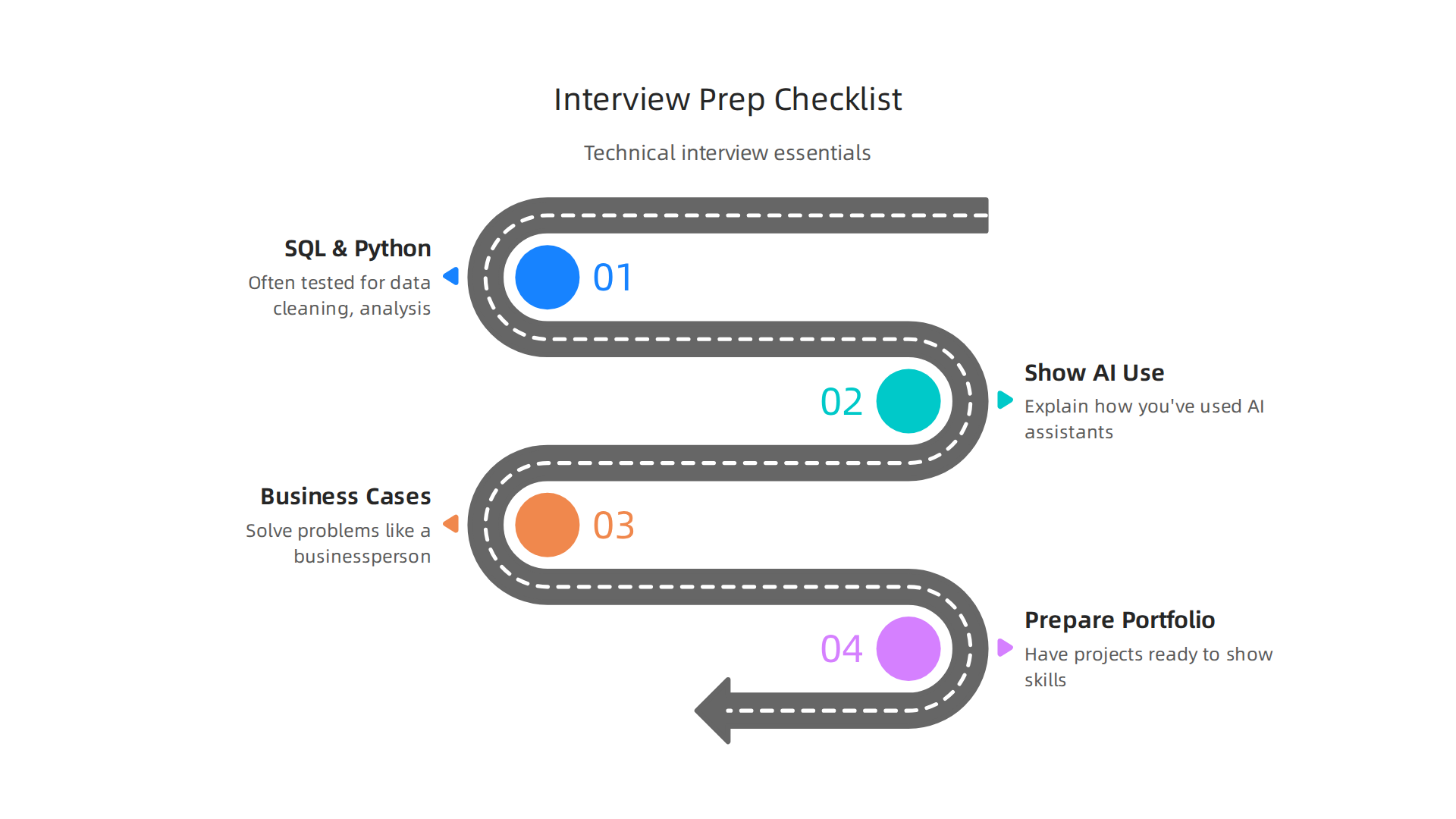
- Practice SQL and Python: These are often tested. Work on solving problems that use data cleaning, analysis, and reporting.
- Show AI Tool Use: Be ready to explain how you’ve used AI assistants like ChatGPT or Claude in your past analysis. This shows you’re up-to-date.
- Understand Business Cases: You might get a problem to solve that needs you to think like a business person, not just a data expert. This is where knowing
what does a data scientist doin a real company setting helps a lot. - Prepare Your Portfolio: Have projects ready to show that highlight your skills and, most importantly, the impact you made.
Framing Your Behavioral Stories
Interviews aren’t just about technical skills. They also want to know how you work and solve problems. This is where the STAR method comes in handy. STAR stands for Situation, Task, Action, and Result. You use it to tell clear stories about your work. For example, when you talk about how you saved your last company money, describe:
- Situation: What was the background?
- Task: What was your goal?
- Action: What did you do specifically?
- Result: What was the positive outcome, like the money saved or efficiency gained?
Having five strong stories ready using this method can make a big difference The Ultimate Interview Preparation Checklist for 2026. It helps show your quantifiable impact in a way that hiring managers love. If you’re keen to learn more about the specific skills needed for these evolving roles, explore resources on Data Scientist Skills 2026.
Networking Strategies
Don’t forget the power of connecting with people. Go to industry events, join online groups, and talk to others already working in data science or AI. Sometimes, knowing the right person can open doors to roles that aren’t even advertised yet. Building these relationships is an important part of your job search.
Summary
This article explains why pursuing a data-driven AI career is a smart move in 2026 and offers a practical roadmap to get there. It clarifies the different analyst roles you’ll encounter—product analytics, ML Ops, and business intelligence—and shows how core skills like SQL, Python, data modeling, visualization, and cloud tools map to those roles. The piece reviews the IBM Data Analyst certificate as a strong entry-point while noting where additional learning is needed for advanced AI work. You’ll learn how to build high-impact portfolio projects (end-to-end dashboards, data cleaning, AI feature prep, monitoring pipelines) and how to present measurable business impact. It covers certification strategies, on-the-job learning, and when projects outrank credentials for hiring. The article also walks through salary expectations, concrete negotiation tips, and targeted job-search and interview preparation advice. Overall, readers will finish with a clear set of steps to land entry-level data roles and advance into AI-focused positions.