

If you’re looking for data analyst entry level jobs in 2026, you’re in a great spot. The world of data is growing fast, and so is the need for people who can understand it. Data analysts are like detectives for businesses. They look at numbers and facts to help companies make smart choices. This guide is here to help you get one of those exciting first jobs.

In 2026, the demand for data analysts is very high. Reports show that the job market for data analysis roles is growing much faster than many other jobs, sometimes even three times faster than average positions. In fact, experts predict millions of new jobs in data science and analytics fields by late 2026 alone Data Analyst in 2026: The Role AI Changed But Couldn’t Kill. This means there are many opportunities out there, even for people just starting. Entry-level data analyst salaries can range from around $55,000 to $75,000 per year, and sometimes even higher depending on the company and location Data Analyst Job Market: What’s Actually Happening Right Now.
But with so many data analyst entry level jobs available, it can still feel tricky to know where to begin. Many new job seekers feel lost, wondering what skills they really need or how to make their application stand out. Employers are looking for specific things. They want people with key technical skills like Excel and SQL, along with important soft skills such as good communication and problem-solving Data Analyst Skills for 2026: Technical & Soft Skills Required. Knowing what to focus on can save you a lot of time and help you avoid common mistakes that might hold you back. This guide will give you clear, easy-to-follow steps to help you land your first data analyst job.
As you look to start your career, staying updated on the wider tech world, including AI trends, can give you a big edge. Data analysts often work with new tools and technologies, so being informed helps you adapt and grow.
Get clear daily AI updates from The AI Newsletter Worth Reading.
Where to find data analyst entry level jobs (best boards, companies, and signals)
Finding your first of many data analyst entry level jobs means knowing where to look. It’s not just about tossing your resume everywhere. Instead, it’s about being smart and focused. In 2026, there are many places to find these jobs, from big websites to smaller, special groups.
First, you’ll want to check out popular job boards. Sites like LinkedIn, Indeed, and Glassdoor are good starting points.

They list thousands of "data analyst jobs near me" and across the country. Many companies post their openings here, making them easy to find. Think of these as your main search engines for jobs.
Next, don’t forget company career pages. Often, companies list jobs on their own websites before or at the same time they use big job boards. If you have a few companies in mind that you’d like to work for, go straight to their careers section. For instance, did you know that in 2026, New York became a top city for data analyst roles, even more than California? Checking companies in growing areas can give you an edge The Data Analyst Job Market Just Produced Numbers Nobody …. You might find entry level data analyst jobs at tech companies or in other fast-growing fields.
Beyond the big sites, there are also special communities and referral channels. These are like hidden gems. They can be online groups for data professionals, tech meetups, or even alumni networks from your school or data analytics certification program. Sometimes, companies prefer to hire people who are referred by someone they already know. This can be a strong way to get your foot in the door.
When you look at job postings, pay attention to "hiring signals." These are clues that tell you if a company is truly growing and needs new talent.
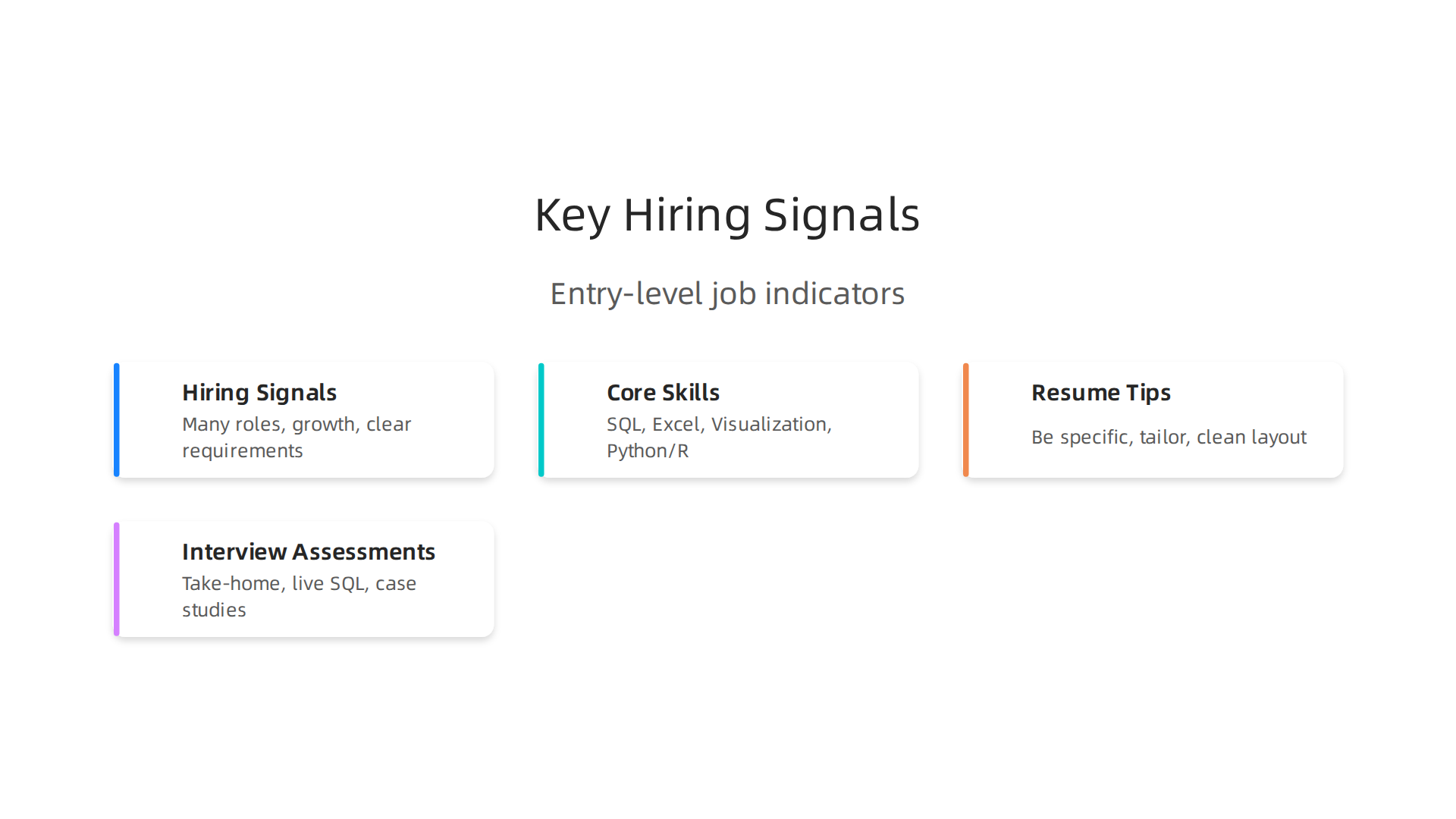
- Many Open Roles: If a company has many "data analyst entry level jobs" or similar roles open, it shows they are expanding.
- Recent Growth News: Look for news about the company getting more money, launching new products, or expanding into new markets.
- Clear Requirements: Job postings that clearly list the skills needed, like SQL or Excel, and mention a desire for certified individuals, are good signs.
By looking in the right places and understanding what companies are looking for, you can greatly improve your chances of landing a great data analyst job in 2026.
Skills employers expect for entry-level data analyst roles (technical + soft skills)
So, you know where to look for data analyst entry level jobs. Now, let’s talk about what skills you need to actually get those jobs. In 2026, employers want a mix of technical know-how and strong people skills. Think of it like a toolkit: you need the right tools, but you also need to know how to use them smartly.
Core Technical Skills
These are the main tools you’ll use every day as a data analyst.
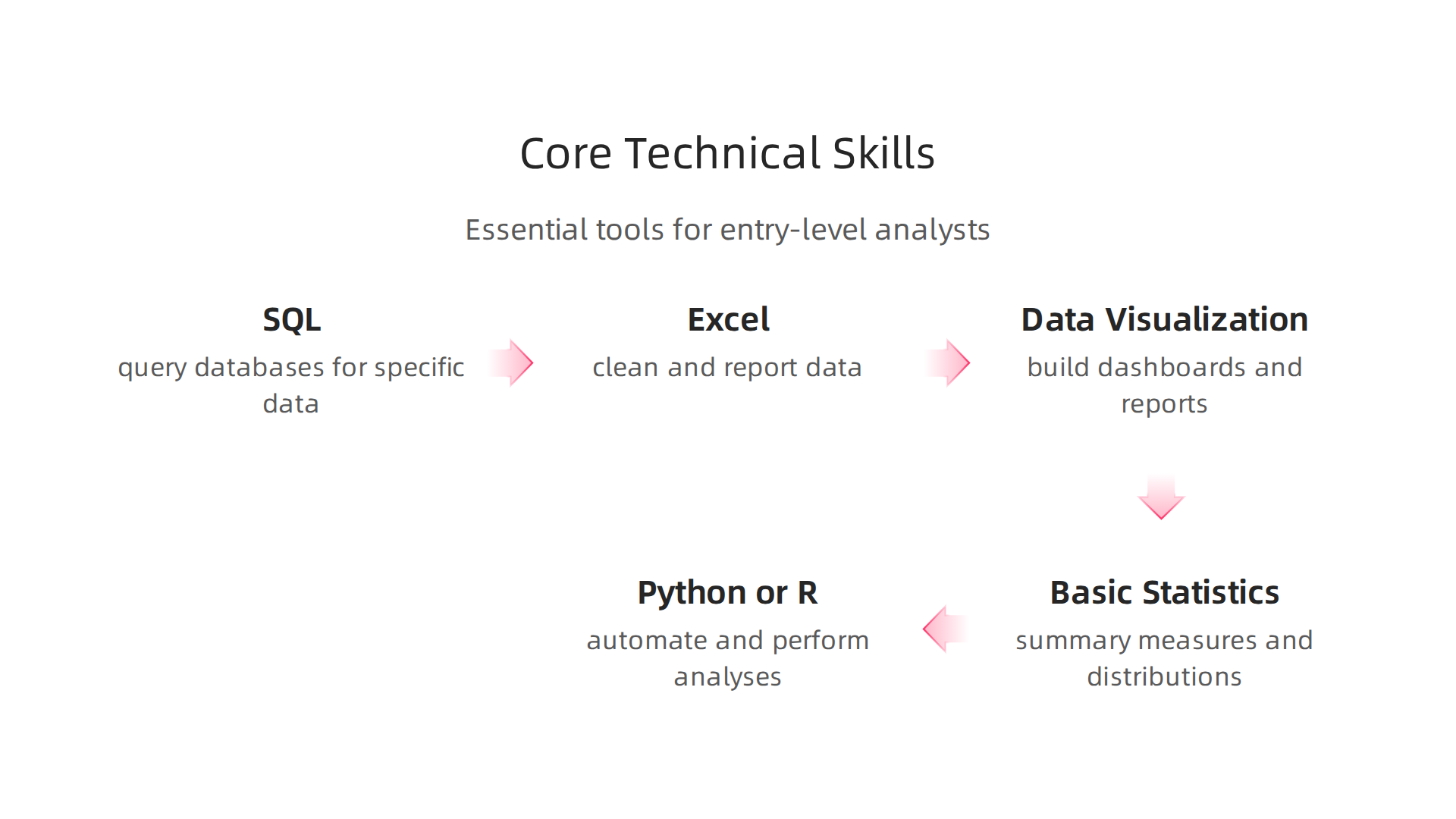
- SQL (Structured Query Language): This is super important. You use SQL to talk to databases, pulling out the exact data you need. For entry-level roles, companies expect you to be good at writing queries to find, clean, and get data from databases Data Analyst Skills for 2026: Technical & Soft Skills Required. This includes knowing how to join different pieces of data together.
- Excel: Almost every company uses spreadsheets. You’ll need advanced Excel skills for cleaning data, making reports, and exploring numbers How to prepare for a Data Analyst Entry Level Job – 2026 Roadmap. This means knowing things like pivot tables, VLOOKUP, and IF statements.
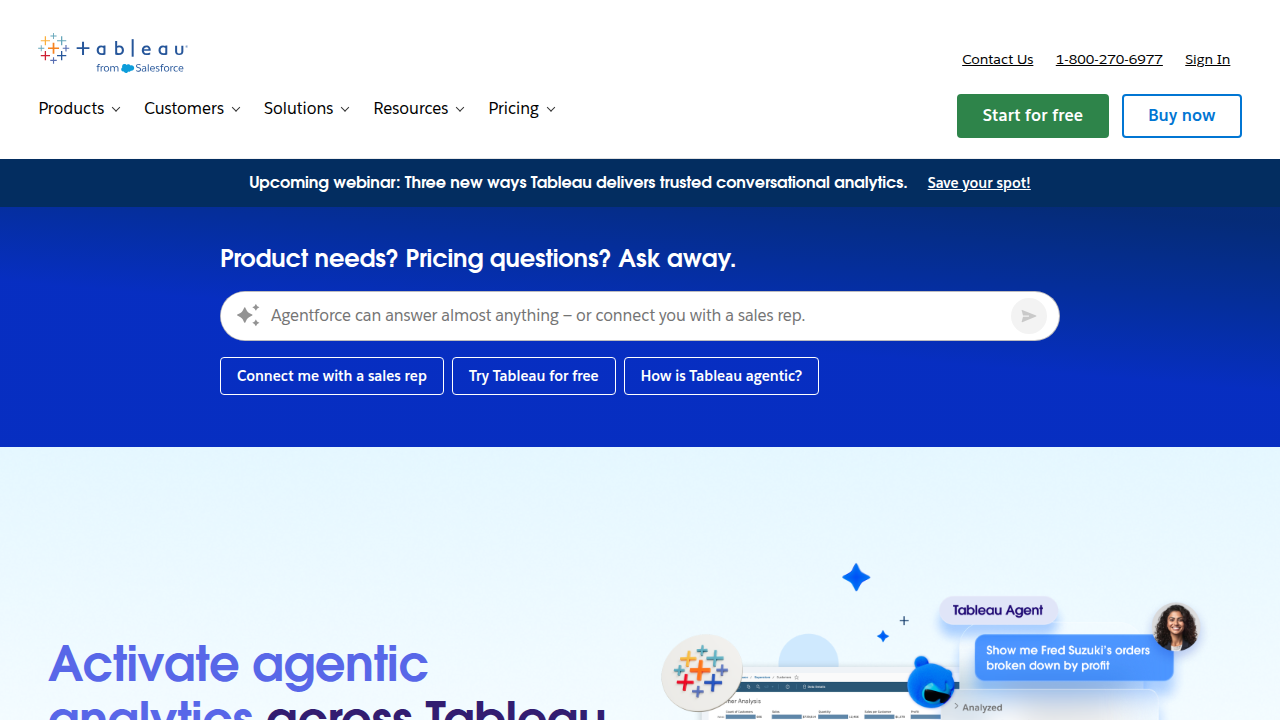
- Data Visualization Tools: After you find and clean data, you need to show it in a clear way. Tools like Tableau or Power BI help you build dashboards and reports that everyone can understand
Data Analyst Roadmap 2026: Step-by-Step Guide from Zero to ….
- Basic Statistics: You don’t need to be a math genius, but understanding basic ideas like averages, medians, and how much data spreads out is key. This helps you make sense of numbers and avoid wrong ideas Complete Data Analyst Career Guide for Freshers | KIT Skill Hub.
- Programming Languages (Python or R): Some jobs will also ask for basic skills in Python or R. These are used for cleaning data, doing more advanced analysis, and making tasks automatic Stop Rejection: The Data Analyst Job Strategy (2026). If you’re looking for remote data analyst jobs, having these skills can really boost your chances.
If you’re wondering which tools are best to learn, you can explore guides on how to choose data analysis tools in 2026 for AI professionals.
Soft Skills and Domain Knowledge
Beyond the technical side, employers value how you think and work with others.

- Problem-Solving and Analytical Thinking: Can you take a big, unclear question and break it down into smaller parts? Can you challenge assumptions and find the real problem? That’s what analytical thinking is all about How to Become Data Analyst in 2026 (Zero To Lead).
- Communication: You might be great at numbers, but if you can’t explain what they mean to someone who isn’t a data expert, it’s not very helpful. Being able to explain your findings clearly in words and presentations is a top skill US Junior Data Analyst job posts (Jan 2026, n=50).
- Business Understanding: Knowing a bit about the business you’re working for helps a lot. It means you can understand why certain data points matter and how your analysis can help the company.
- Curiosity and Learning: The world of data is always changing. Being curious and ready to learn new tools and methods is a big plus. Getting a data analytics certification can show your drive to learn.
Having these skills will make you stand out when applying for data analyst entry level jobs and help you grow in your career.
Want to stay on top of the latest trends in AI and tech that impact data analysis?
The AI Newsletter Worth Reading
After you know what skills employers want, the next step is to show them you have those skills. Your resume and portfolio are your main tools to get noticed and land interviews for data analyst entry level jobs. Think of them as your personal showcase.
How to Make Your Resume Shine
Your resume is often the first thing a hiring manager sees. It needs to be clear, short, and focused on what you can do.

- Be Specific and Concise: Keep your resume to one page, especially for entry-level roles. Highlight your key skills, projects, and education. A good resume will have a brief summary just for the job you are applying to 5 Entry-Level Data Analyst Resume Examples for 2026.
- Show Your Skills: Make sure to list the technical skills mentioned earlier, like SQL, Excel, and data visualization tools. Also, include your soft skills like problem-solving and communication. You can even list them in separate sections to make them easy to find 14 Entry-Level Data Analyst Resume Examples & Guide for ….
- Use Action Words and Numbers: Instead of saying "worked with data," say "analyzed customer data to find trends, which helped increase sales by 10%." Use numbers to show how your work made a real difference. This helps show measurable outcomes Entry-Level Data Scientist Resume 2026: 10 Proven Tips.
- Tailor Your Resume: Don’t use the exact same resume for every job. Read the job description carefully and use keywords from it in your resume. This helps your resume get past automated systems that scan for specific words How to Format Entry-Level Data Analyst Resumes.
- Keep it Clean: Use a simple layout and easy-to-read fonts. A clean and consistent look makes your resume professional and easy to scan. Always save it as a PDF.
Building a Powerful Data Analyst Portfolio
While your resume tells what you can do, your portfolio shows it.

It’s especially important for data analyst entry level jobs because it proves your abilities even if you don’t have much work experience. Actually, a good portfolio can double your chances of getting an interview Data Analyst Resume Examples for 2026.
- Choose the Right Projects: Aim for 3 to 6 strong projects that show off different skills and tools How to Build a Data Analyst Portfolio in 2026 (Step … – Entri. Pick projects that are like real-world problems. Avoid very simple examples like the "Titanic" dataset if you can, and choose data that’s more relevant to actual industries The ONLY Data Analytics Portfolio You Need (get hired GUARANTEED).
- Showcase Your Process: For each project, include:
- A clear problem: What question were you trying to answer?
- The data you used: What kind of data was it, and how did you get it?
- Your steps: How did you clean, explore, and analyze the data? Showing how you handled messy data is a big plus Entry-Level Data Analyst Job (May 2026 Guide).
- The tools you used: Mention SQL, Python, Excel, or Power BI dashboards.
- Your findings and recommendations: What did you learn, and what advice would you give based on your analysis? This shows your business understanding.
- Make it Easy to See: Put your portfolio online on a website or platforms like GitHub.
Include visuals, charts, and dashboards that are easy for anyone, even non-technical hiring managers, to understand 19 Data Analyst Resume Examples for 2026. Make sure your work is reproducible, meaning others can follow your steps.
- Link it Everywhere: Include a link to your online portfolio on your resume and your LinkedIn profile. This makes it easy for employers to see your amazing work.
Building a standout resume and portfolio will help you get those important first interviews and show employers you are ready for data analyst entry level jobs. If you want to dive deeper into the technical parts of handling data, you can learn more with a guide to mastering the data science process.
Once your resume and portfolio are polished and ready, the next big step for landing data analyst entry level jobs is the interview itself. This part of the hiring process often includes special tasks and tests to see your skills in action. Companies want to know you can do the job, not just talk about it.
Types of Technical Assessments You’ll Face
For data analyst entry level jobs, interviews often go beyond just talking. You’ll likely encounter practical tests that check your real-world abilities. These assessments help employers see how you solve problems and work with data, much like you would in a real role Data Analyst Interview Questions: The Complete 2026 Guide to Landing ….
- Take-Home Projects: You might get a dataset and a business problem to solve on your own time. This could involve cleaning data, doing analysis, and then showing your findings and ideas, often using tools like Excel, Python, or SQL. It’s a chance to show your complete workflow and how you turn raw data into helpful insights.
- Live SQL Tests: Many roles, especially for
data analyst jobs near me, will ask you to write SQL queries on the spot. This often happens on a shared screen or an online platform. You might need to pull specific information, join different tables, or filter data to answer a question. This shows your speed and accuracy with databases Data Analyst Interview Prep (2026 Guide). - Case Study Interviews: Here, you’ll be given a business problem or scenario, and you’ll need to think out loud about how you would use data to solve it. This isn’t just about technical skills; it’s about showing your analytical thinking, problem-solving approach, and how you communicate your ideas clearly to others. You might discuss how to improve sales, understand customer behavior, or measure the success of a marketing campaign.
How to Practice and Stand Out
Getting ready for these technical assessments takes focused practice.
- Practice with Real-World Data: Don’t just learn syntax. Work on full projects from start to finish. Focus on cleaning messy data, doing detailed analysis, and then making clear reports or dashboards. Many online resources offer practice datasets and problems.
- Sharpen Your SQL and Excel: These are core tools. Practice writing different types of SQL queries like joins and window functions. For Excel, practice pivot tables, VLOOKUP, and data validation.
- Review Your Portfolio Projects: Be ready to talk in detail about every project in your portfolio. Explain the problem, your steps, the tools you used, and what you learned. This helps prove your skills and shows your passion for data analysis. You can also gain an edge by understanding how to land remote data analyst jobs in 2026 with skills, resume, and interview tips.
- Work on Communication: During interviews, clearly explain your thought process. Even if you make a mistake, showing how you think through a problem is valuable. Practice explaining complex ideas in simple terms.
- Consider a Data Analytics Certification: Having a Google Data Analytics Professional Certificate vs Degrees and Top Certifications in 2026 can also help you stand out. This shows a formal understanding of key data skills.
- Bring Your A-Game for Behavioral Questions: Don’t forget to prepare for questions about your teamwork, problem-solving approaches, and how you handle challenges Data Analyst Interview Questions (2026 Guide) – BrainStation. These show your soft skills.
By preparing for these types of interviews, you will show employers that you are not only skilled but also thoughtful and ready for the challenges of data analyst entry level jobs.
Want to stay informed about the latest trends in artificial intelligence, which often touches on data analytics careers like how to improve an ai machine learning engineer salary?
Get clear daily AI updates from The AI Newsletter Worth Reading.
Okay, you’ve learned how to shine in interviews for data analyst entry level jobs. Now, let’s talk about what happens after you get an offer: how much money you can expect to make and how to grow your career.
Salary expectations, negotiation, and early career progression
When you’re looking for data analyst entry level jobs, knowing what to expect for pay can really help. In 2026, the pay for an entry-level data analyst in the U.S. can be different based on where you live and what kind of company you work for. Many entry-level roles typically offer a base salary between $55,000 and $75,000 per year nationwide Data Analyst Salary in 2026: By Level, Region, and Industry. Some reports show the average annual pay for an Entry Level Data Analyst in the United States around $68,487 as of June 2026 Entry Level Data Analyst Salary: Hourly Rate June 2026.
But where you are matters a lot. Big cities like New York, San Francisco, and Seattle often pay more, sometimes 15% to 30% higher than the national average, especially in tech and finance companies Data Analyst Salary in 2026 — By Level, Market & Negotiation. For instance, New York has taken the lead for data analyst job postings in 2026 The Data Analyst Job Market Just Produced Numbers Nobody …. Big tech companies like Google and Amazon might even start entry-level analysts at $70,000 to $85,000, including other benefits like stock Data Analyst Job Market: What’s Actually Happening Right Now.
Negotiating Your Salary
Once you get a job offer, it’s okay to try and get a better deal.

Before you talk about money, do some research. Look up typical salaries for similar data analyst entry level jobs in your city and industry. Think about your skills and any special training you have. If you have a data analytics certification, that can also give you a stronger position. When you talk, focus on the value you bring to the company. Be polite and ready to explain why you deserve more.
Moving Up in Your Career
Starting out, you’ll be a junior data analyst. To move up to a mid-level role, you’ll want to focus on growing your skills and taking on more important tasks. This usually happens in the first 1 to 3 years. You’ll need to go from just cleaning data and making basic reports to doing deeper analysis and solving bigger problems.
Here are some ways to speed up your career:
- Learn More Tools: Become really good at tools like Python, R, and advanced SQL. Knowing how to use these tools for complex tasks will make you more valuable.
- Understand the Business: Don’t just look at the numbers. Try to understand what the data means for the company’s goals and how your work helps.
- Improve Your Communication: Being able to explain complicated data findings simply to people who aren’t data experts is a huge skill. Practice making clear presentations and reports.
- Seek Out Challenges: Ask for projects that push you to learn new things. Volunteer for tasks that involve more responsibility.
- Mentor Others: Once you know a bit, helping newer team members can show leadership.
Focusing on these areas can help you grow into a business intelligence analyst or even a senior data analyst, which often comes with a much higher ai machine learning engineer salary down the line. Keep learning and showing your value, and you’ll climb the career ladder.
Now that you know what to expect for pay and how to grow in data roles, let’s look at how you can get started. There are many ways to learn the skills needed for data analyst entry level jobs. You can choose a traditional college degree, a quicker bootcamp, a specific certification, or even learn on your own. Each path has its good and bad points.
Bootcamps, certificates, and learning pathways that actually work
For many years, a college degree was the main way to get a good job. While a degree in something like computer science or data science still offers deep knowledge, it’s not the only way into data analyst entry level jobs anymore. In 2026, employers often care more about your actual skills than just a piece of paper, especially for entry-level positions Do You Need a Data Analyst Degree? Honest 2026 ….
Bootcamps and Certifications
Many people today are choosing faster learning paths like data analytics bootcamps or getting a data analytics certification. These programs are often much shorter, usually a few months, and focus on teaching you the hands-on skills companies need right now.
- Bootcamps: These are intensive courses designed to get you job-ready quickly. They teach practical skills like SQL, Excel, and using tools for data visualization. For career changers, bootcamps can be very effective, compressing a lot of learning into a short time What You Actually Learn (and…. Many top bootcamps report good job placement rates, with some seeing around 79% of grads finding jobs within six months in 2026 The 5 Best Data Analytics Bootcamps in 2026 – Newsdata.io. They are especially valuable if they offer career support and help with finding a job after you finish. Many tech companies now accept bootcamp training alongside or even instead of a traditional degree for junior roles Best Data Analyst Bootcamps in 2026: Honest Reviews ….
- Certificates: These programs, like the Google Data Analytics Professional Certificate, show you’ve learned specific skills. They are a great way to boost your resume and prove your abilities, even if you don’t have a formal degree. To learn more about how these certificates compare, check out our guide on Google Data Analytics Professional Certificate vs Degrees and Top Certifications in 2026.
Learning on Your Own
Another option is to teach yourself. With so many online resources, you can learn a lot about data analysis for free or at a low cost. This path requires a lot of self-discipline, but it can be very rewarding. No matter how you learn, building a strong portfolio of projects is key. A portfolio shows future employers what you can actually do with data.
Choosing the Right Program
When picking a learning path, think about these things:
- Job Outcomes: Do they help people get
data analyst entry level jobs? Look for programs that share how many of their students get hired. - Company Connections: Do they work with companies that might hire you? Programs with good employer partnerships can open doors.
- What You’ll Learn: Make sure the lessons match what companies are looking for in 2026. This includes skills like SQL, advanced Excel, Python, and data visualization tools like Power BI or Tableau Data Analytics in 2026: Trends, Tools, and Career ….
No matter which path you choose, the goal is to gain the skills and build a portfolio that shows you’re ready for the job. Staying updated on the latest trends in data and AI is also very important for success in this field.
Get clear daily AI updates from The AI Newsletter Worth Reading.
Summary
This article is a practical guide for landing data analyst entry-level jobs in 2026, covering where to look, what employers want, and how to prove your skills. It explains which technical tools matter most—SQL, Excel, data visualization, and basic Python or R—alongside vital soft skills like communication and business sense. You’ll learn how to craft a one-page resume, build a 3–6 project portfolio that shows your process, and prepare for common interview tests such as take-home projects, live SQL challenges, and case studies. The guide also outlines realistic salary ranges, negotiation tips, and routes for early career progression from junior analyst to more senior or BI roles. Finally, it walks through practical learning options—degrees, bootcamps, certificates, or self-study—and how to choose programs that lead to hires. After reading, you’ll know where to apply, which skills to prioritize, how to present your work, and how to prepare for interviews and career growth.