

Introduction
Let’s be honest: being a data scientist in 2026 feels like trying to drink from a fire hose. Every week there is a new AI model, a fresh tool, and another must learn skill. The information never stops coming.

And if you try to keep up with everything, you will burn out fast.
Here is the good news. You do not need to learn it all. You just need to learn what matters. That is where the idea of a meta data scientist comes in.
A meta data scientist is someone who uses AI to supercharge every part of their work. Instead of drowning in noise, they filter it. Instead of chasing every trend, they focus on high impact skills that actually move the needle in their career. Think of it as being a smarter, more efficient version of a traditional data scientist.
The demand for skilled data professionals is still soaring. According to the U.S. Bureau of Labor Statistics, employment of data scientists is projected to grow 34 percent from 2024 to 2034. That is much faster than average. And the median annual wage sits at $112,590. But landing those roles and thriving in them requires more than just technical chops. Businesses now want candidates who can combine performance analytics, clear data visualization, and a strong data scientist resume that shows real impact.
The problem is, with so much information available, it is easy to get stuck. You might spend hours on a new library that will be obsolete next month. Or you might skip building the core skills that actually lead to better job offers.
That is why this article exists. We have gathered research backed insights to give you a simple, actionable roadmap for career advancement in the AI era. You will learn how to become a meta data scientist, what skills to prioritize, and how to stand out without losing your mind.
If you want to stay ahead of the curve with daily AI insights, consider subscribing to a trusted source. For example, you can Get Free Updates from The Deep View Newsletter for clear, concise coverage of everything happening in AI.
Ready to level up? Let us start by looking at the skills that actually pay off in 2026.
What Is a Meta Data Scientist? Defining the Role in 2026
So, what exactly sets a meta data scientist apart from a traditional one? It is a big shift. Understanding this difference is the first step to future-proofing your career in 2026.
Think of a regular data scientist as a talented craftsperson who builds everything by hand. They write code from scratch, clean messy data manually, and handle each step themselves. A meta data scientist acts more like a smart architect or team lead. They know exactly which AI tools to use, how to direct them, and when to step in with human judgment.
Instead of spending 80% of their time on routine work, a meta data scientist uses AI agents to automate the boring stuff. This includes cleaning data, running standard reports, and even writing basic code. This shift frees them up to focus on high impact work. They ask the right business questions. They design better experiments. They turn insights into real strategy.
What skills do you need for this role? First, you need strong AI literacy. You must understand what different models can and cannot do. Second, you need prompt engineering skills. You have to talk to AI systems in a way that gives you accurate results. Third, you need a system design mindset. You build reliable workflows that blend human thinking with machine speed.
Here is the thing that makes meta data scientists so valuable. They bridge the gap between technical teams and business leaders. They speak both languages fluently. This makes them the perfect person to drive AI adoption across a whole company. Employers are actively looking for this mix in 2026.
The job market backs this up. The U.S. Bureau of Labor Statistics projects data science jobs will grow 34 percent from 2024 to 2034.
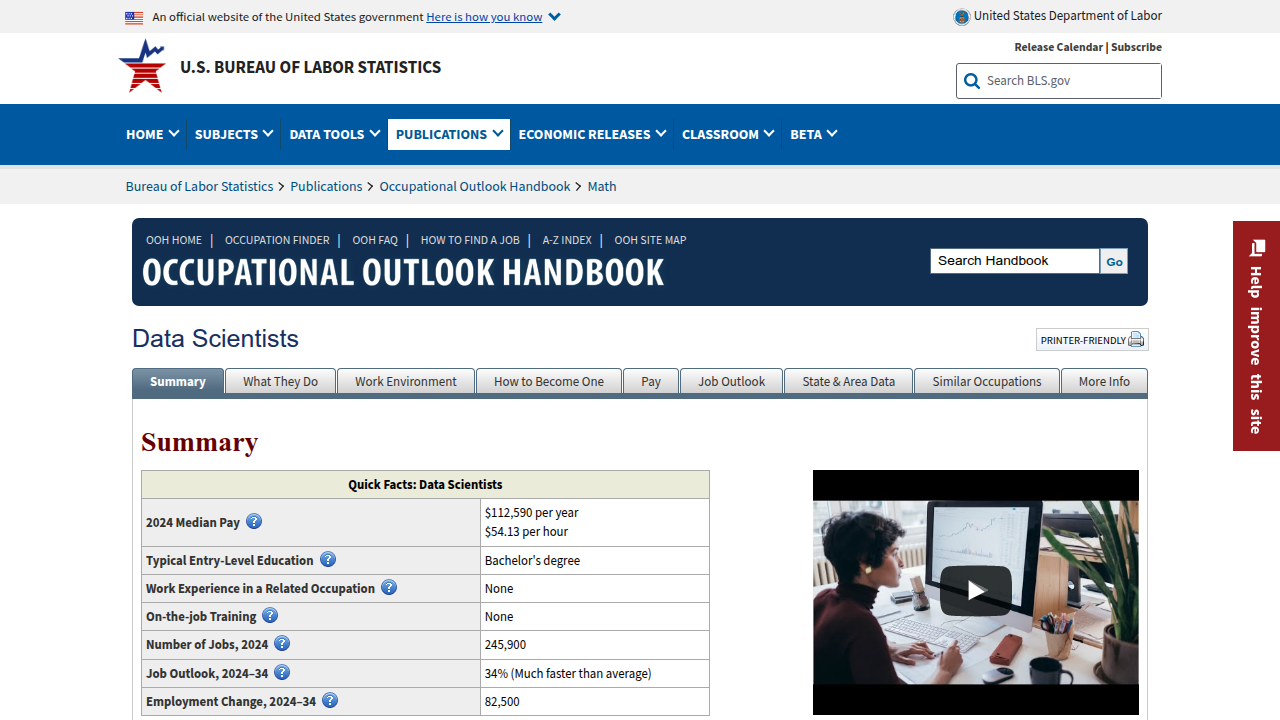
That is much faster than other fields. Top skills like data visualization and predictive modeling are in high demand, according to a 2026 Data Science Salary Guide. But adding the "meta" skills of AI strategy and prompt engineering is what makes a data scientist resume truly stand out.
Want to start building these skills today? A great first step is learning which tools actually work in the modern AI stack. Check out our guide on how to choose data analysis tools in 2026 for AI professionals to build a strong foundation.
The AI world moves fast. But you do not have to track it alone. The best meta data scientists stay curious and informed every single day. Get Free Updates from The Deep View Newsletter for clear, simple AI insights that keep you ahead of the curve.
The Shifting Skill Landscape: From Technical to Meta-Skills
So, you understand the core idea of a meta data scientist. But what does this shift mean for the specific skills you need to thrive in 2026? The landscape is changing fast, and holding onto old ideas about what matters can leave you behind.
Let us be clear about one thing. Technical skills like Python, SQL, and data visualization are still the foundation. You cannot skip them. Employers are actively paying for these abilities. A 2026 Data Science Salary Guide confirms that data visualization, statistical analysis, and predictive modeling remain top skills in high demand.
Mastering these basics is still your first step.
But here is the thing that many people miss. In 2026, basic code generation is becoming a commodity. AI tools can now write a Python function or clean a standard dataset in seconds. This means a data scientist resume that only lists technical skills is no longer enough. The bar has moved.
The real differentiators now are the meta-skills that surround the technical work. These are the human abilities that AI cannot easily replace. Think about it. Can an AI truly audit its own output for hidden bias? That takes deep critical thinking. Can it navigate the tricky ethical terrain of a new AI product launch? That requires a strong moral compass and a sense of AI ethics. Can it explain a complex model to a room full of executives who need to make a million dollar decision? That takes cross-functional communication at a high level.
This is the shift. A traditional analyst focuses on running the tool. A meta data scientist focuses on designing the system around the tool.

They build the workflow. They manage the AI agents. They apply human judgment at every critical decision point.
Think of yourself less as a craftsperson building everything by hand and more as an architect directing a team of skilled assistants. Your job is to know which tools to deploy, when to trust the output, and when to intervene.
This transition from "tool operator" to "AI system designer" is not optional anymore. It is the path to staying valuable. It is what makes you stand out in a crowded job market where salary ranges for entry level positions sit between $90,000 and $115,000 annually.
However, keeping up with these changes is hard. The AI world moves at a breakneck pace. You need a reliable, simple source to help you track what matters. You do not have to figure it all out alone. Get Free Updates from The Deep View Newsletter for clear daily insights that help you sharpen your meta-skills and stay ahead of the curve.
AI Tools That Supercharge Your Data Workflow
So you know the meta skills matter. But you also need the right tools. In 2026, AI powered tools are not just nice to have. They are essential for any meta data scientist who wants to work smarter, not harder.
Think about the repetitive parts of a data project. Cleaning messy data. Writing boilerplate code. Tuning a model over and over. These tasks can eat up your day. AI tools now handle them in minutes.
What Tools Actually Save You Time?
Let us break down the three main categories:
- AI coding assistants. Tools like GitHub Copilot, Cursor, or Amazon CodeWhisperer help you write, debug, and explain code faster. Data scientists who use them see a big jump in productivity. One study from 2026 found that AI coding assistants can increase productivity significantly for data scientists who use them (CodeBasics).
- Data cleaning and preparation tools. Automating data quality checks and transformation cuts hours off your workflow. Platforms like Trifacta or Alteryx now have AI agents that spot inconsistencies and suggest fixes.
- Automated machine learning (AutoML) platforms. Tools such as DataRobot or H2O.ai run dozens of models for you. They handle feature engineering, hyperparameter tuning, and model selection. This alone can save 40 to 60 percent of the time a typical analyst spends on model building.
A meta data scientist does not just run these tools blindly. They orchestrate them. They know when to let the AI clean data and when human judgment is needed. They use prompt engineering to ask the tool for exactly what the business needs.
Real World Example: From Weeks to Days
Meet Alex. Alex is a meta data scientist at a mid sized ecommerce company. Before AI tools, Alex spent two full weeks building a customer churn model. Most of that time went to writing code, cleaning data, and testing different algorithms.
In 2026, Alex uses an AI coding assistant to write the initial scripts. An AutoML platform runs 50 models overnight. A data cleaning tool flags and fixes errors the next morning. Alex then reviews the results, checks for bias, and uses data visualization to explain the findings to the marketing team. Total time: four days. The model was not just faster. It was more accurate because Alex focused on the high value decisions.
This is the power of combining tools with meta skills. You do not need to know every line of code. You need to know how to guide the tool, interpret the output, and communicate the insight.
Choosing the Right Tools for Your Work
With so many options, picking the right AI tools can feel overwhelming. You want tools that fit your specific workflow and team size. A good starting point is to look at performance analytics needs. For example, a team doing real time fraud detection needs a different stack than a team doing monthly reporting.
For a deeper look at how to match tools to your tasks, check out our guide on how to choose data analysis tools in 2026 for AI professionals. It helps you think through the tradeoffs between speed, cost, and accuracy.
The Bottom Line
AI tools are a force multiplier for the meta data scientist. They handle the grunt work so you can focus on the bigger picture. But tools alone are not enough. You need the meta skills we talked about earlier: prompt engineering, orchestration, and ethical judgment. That combination is what sets you apart in 2026.
Want to stay on top of the best AI tools and workflows? The AI landscape changes every week. Get Free Updates from The Deep View Newsletter for simple daily insights that help you sharpen your meta skills and never miss a breakthrough.
Building a Learning System to Beat Information Overload
You just learned how AI tools can save you hours. But here is the problem. There are too many tools, too many articles, and too many new models dropping every week. Information overload is real. It can burn you out fast.
The meta data scientist does not try to read everything. They build a learning system. A system that filters the noise and keeps only what matters.
Use Curated Digests and AI Summarizers
Your first step is to stop chasing every headline. Instead, let AI do the scanning for you.
Curated daily digests pull the top stories from trusted sources. AI summarizers like ChatGPT or Claude can read a long paper and give you a three sentence summary. In 2026, these tools are smart enough to understand your interests.
According to a guide on AI productivity tools for data scientists, using AI assistants and automation tools can streamline your daily workflow significantly (LaunchBoosts). Many data scientists who adopt these tools see a big jump in how much they learn in less time (CodeBasics). You can cut your daily reading time by half or more.
Follow a Structured Learning Plan
Do not learn randomly. Pick one area to focus on each month.
A good plan for a meta data scientist in 2026 mixes two things:
- Meta skills like prompt engineering, data visualization, and ethical judgment.
- Emerging AI models like the latest GPT, Claude, or open source LLMs.
When you focus on just these two buckets, you avoid the burnout that comes from trying to learn everything. For example, if you want to get better at choosing AI tools for your tasks, our guide on how to choose data analysis tools in 2026 for AI professionals can help you decide what to learn next.
Use Spaced Repetition and Project Based Learning
Reading is not enough. You need to remember what you learn and use it.
Spaced repetition tools like Anki or RemNote help you review key concepts at the right time. They push old ideas back into your memory just before you forget them.
But the real trick is project based learning. Pick a small real problem at work or in a side project. Use your new knowledge to solve it. This locks the skill into your brain. You will remember it for years, not days.
A 2026 guide on top data science tools notes that hands on tools for data visualization and analytics help you apply what you learn immediately (lakeFS).
Put It All Together
Your learning system should look like this:
- Morning: Read a 3 minute AI digest (curated by AI).
- Weekly: Spend 1 hour on a structured lesson about a meta skill or new model.
- Monthly: Complete a small project using what you learned.
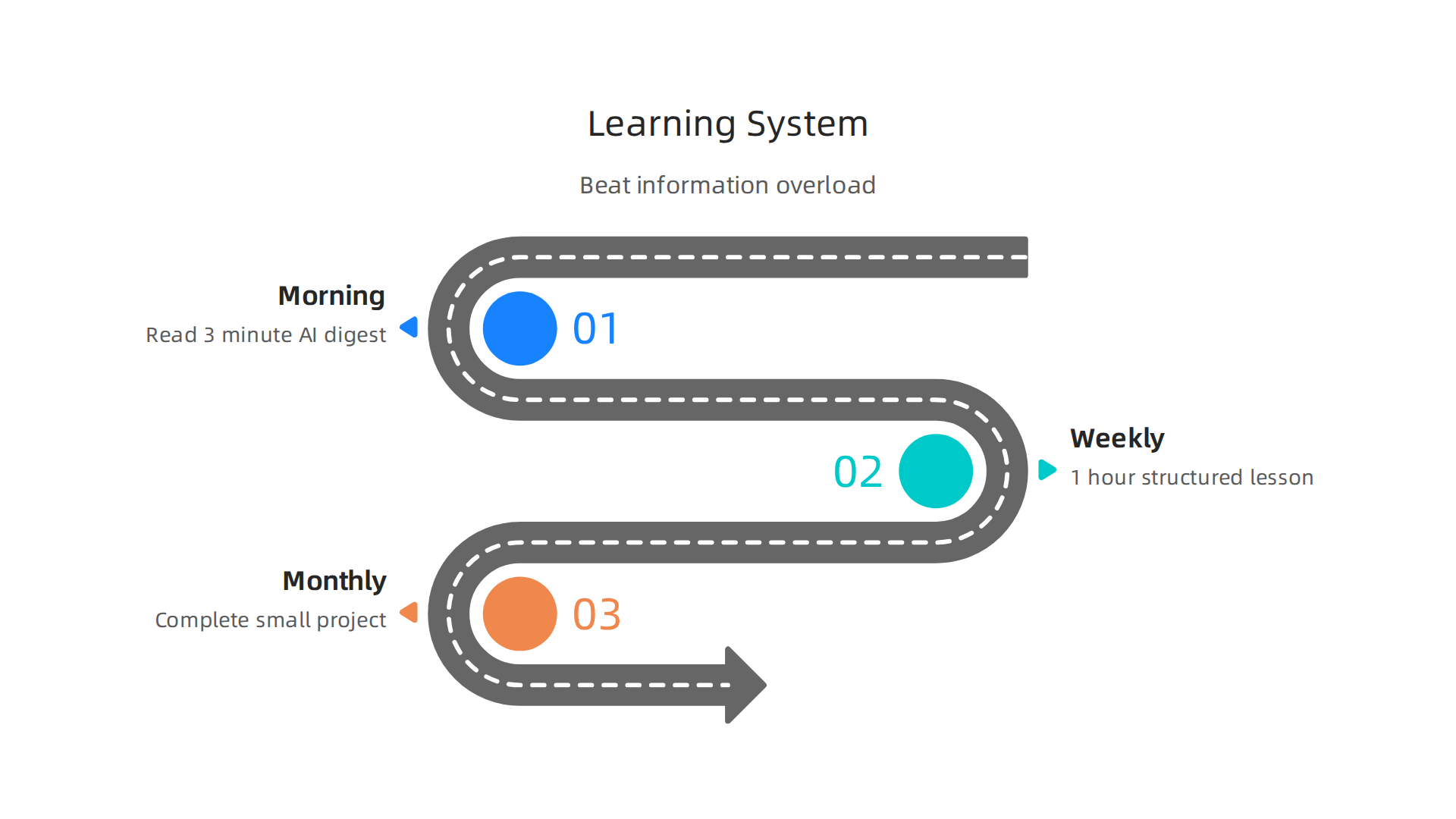
This system keeps you sharp without burning you out.
Want a head start? The Deep View Newsletter gives you a simple daily AI digest so you never miss a key update. Get Free Updates and start your learning system today.
Strategic Credentialing: Certifications, Projects, and Portfolio for the Meta Era
You have a learning system now. You are focused and staying sharp. But how do you show the world you are a meta data scientist? It is not enough to just know things. You need proof.
Traditional certifications still matter. In 2026, there are many great options. The Google Data Analytics Professional Certificate is a strong start for analysts. So is the IBM Data Science Professional Certificate. You can find a list of top data science certifications recommended by experts (MentorCruise). These credentials show employers you understand the basics. They check a box.
But here is the catch. A certification alone will not make you a meta data scientist. You need to back it up with real work. Build projects that show your meta skills.

For example, design an AI system that solves a business problem. Or create a prompt engineering workflow that cuts a team’s manual work by 80 percent. These projects speak louder than any certificate.
Your data scientist resume should highlight projects over course lists. Instead of saying "took a machine learning class," say "built a customer churn model using GPT embeddings and deployed it on a cloud platform." That is the kind of project that shows performance analytics and AI integration.
Open-source contributions and Kaggle competitions still matter. But do not just upload raw code. In 2026, you need to explain how you used AI to improve your approach. Did you fine-tune a model? Did you use AI to automate data cleaning? Show that. A good portfolio website can tell this story better than a list of links.
When you choose tools for your projects, make sure they match what employers want. Our guide on how to choose data analysis tools in 2026 for AI professionals can help you pick the right stack.
The path is clear. Get one solid certification. Then build a portfolio that screams meta data scientist. Show your AI system design, your data visualization projects, and your ethical judgment. That is what separates you from the crowd.
Want to stay on top of the latest AI trends that affect your career? The Deep View Newsletter gives you a daily digest of what matters. Subscribe Free and never miss a key update.
Networking and Thought Leadership in an AI-First World
You have the skills. You have the projects on your data scientist resume. Now you need people to see them. In 2026, the best opportunities often come through who you know and who knows you.
Networking is not about collecting business cards anymore. It is about showing up and sharing what you know. Join online AI communities on platforms like LinkedIn, Discord, or even Reddit. Attend local meetups or virtual conferences. When you participate actively, you learn about job openings before they are posted. You meet collaborators who can help you grow. Even the most experienced analyst will tell you that community connections led to their best roles.
But here is the real power move. Publish your work. Write a short article on how you built a data visualization dashboard that saved your team hours. Record a talk about your performance analytics project that uses AI. Put it on LinkedIn or a blog. When you share your process, you show others how you think. That builds authority faster than any certificate can.
Just make sure your content is original and honest. If you use AI tools to help you write, check for authenticity. Read our guide on Originality AI for content detection to keep your work credible.
Mentorship also plays a big role. Find someone who has already walked the path you want. Ask them for feedback on your projects or your portfolio. Peer learning groups are great too. They help you stay motivated and cut down on imposter syndrome. When you teach others, you learn twice.
The goal is simple. Be seen as a helpful expert, not just someone looking for a job. Share your wins and your lessons. Over time, people will trust your judgment.
Want to keep up with the latest AI trends that spark conversation and networking? The Deep View Newsletter delivers clear daily updates straight to your inbox. Get Free Updates and stay connected to what matters.
The Salary and Job Outlook for Meta Data Scientists
All that networking and skill building pays off.
When you hear about the pay for a meta data scientist, the numbers can surprise you. This is not an entry level job. It is a senior role that mixes technical depth with business strategy. And the pay shows it.
At a company like Meta, total compensation can be very high. According to Levels.fyi, pay for a Data Scientist at Meta ranges from $161,000 per year at the IC3 level to over $1.1 million at the IC8 level. The average hovers around $299,000 based on profiles on 6figr.com. That is often 15 to 30 percent higher than what a traditional data scientist or analyst makes. Why? Because you are expected to drive decisions, not just run numbers.
You need to think like a business owner. You use performance analytics to find growth. You build data visualization dashboards that tell a clear story. That kind of impact is hard to find, so companies pay more for it.
Where are these jobs? The hotspots are tech hubs. San Francisco, New York City, London, and Toronto have the highest demand and the best pay. Remote roles are still common in 2026, but being in a hub helps a lot.
Demand for these hybrid roles is growing fast. The Bureau of Labor Statistics projects faster than average growth for data science roles overall. Companies want people who can do it all. That is why building the right skills now is so smart.
By the way, if you are building your toolkit, check out our guide on how to choose data analysis tools in 2026 for AI professionals. It helps you pick the tech that pays the most.
Want to know which industries are hiring and the latest salary trends? The Deep View Newsletter breaks it down in simple daily updates. It helps you spot opportunities before anyone else.
Subscribe Free and stay ahead of the job market.
Common Misconceptions About Meta Data Scientists
You have probably heard a few rumors about what a meta data scientist actually does. Let me clear those up, because some of these myths could hold you back.
Myth 1: Meta data scientists just lean on AI tools and do not need real technical skills.
This one makes me laugh a little. If you think AI tools do all the work, you are missing what this job is really about. AI models are powerful, sure. But someone has to tell them what questions to ask. Someone has to check if the answers make sense. A meta data scientist needs deep knowledge of statistics, machine learning, and business strategy to guide those tools.
That is why the pay is so high. According to 6figr.com, Meta data scientists earn an average of $299,000 per year.
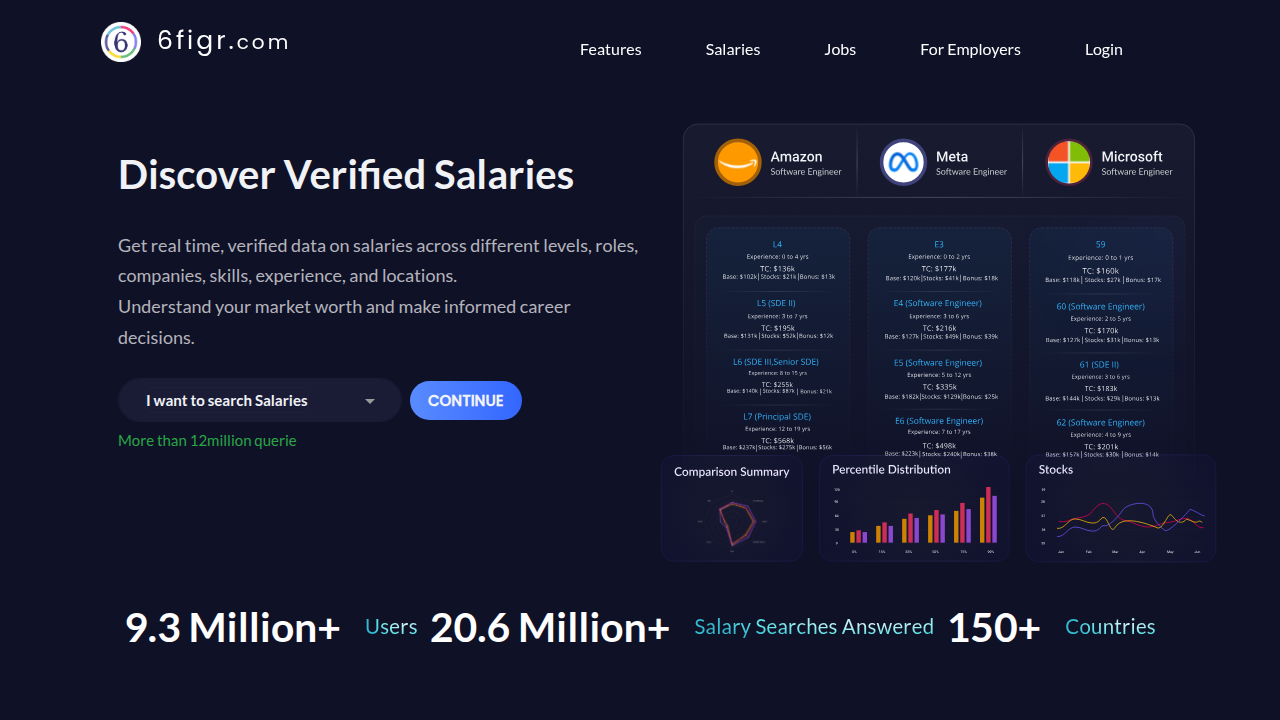
Companies do not pay that kind of money for someone who just pushes a button. They pay for people who can steer the ship.
Myth 2: Only senior data scientists can become a meta data scientist.
Actually, you can start building meta skills right now. Even as a junior analyst or entry level data scientist, you can learn how to connect data to business goals. You can practice performance analytics on your own projects. You can learn data visualization that tells a story.
Want to pick the right tools for that journey? Check out our guide on how to choose data analysis tools in 2026 for AI professionals. It helps you start strong, no matter your level.
Myth 3: Meta data scientists are only needed in big tech.
Not anymore. Sure, Meta hires a lot of them. But in 2026, every industry that uses AI needs these hybrid thinkers. Retail, healthcare, finance, logistics. If a company runs on data, they need someone who can see the big picture and dive into the details.
The path is open to you. Start building the skills, ignore the myths, and stay ahead of the curve.
Get Free Updates and learn what is really happening in AI every day.
The Role of Soft Skills in Meta Data Science
Can you build a perfect machine learning model and still fail at your job?
Yes. And it happens more often than you think.
Here is the truth: technical skills get you in the door. But soft skills are what make you a great meta data scientist. Let me explain why.
Communication turns data into action
You can build the best model in the world. But if you cannot explain what it means to a product manager or a business leader, your work sits on a shelf.
Meta knows this. Their job postings for data scientists say you must "tell data-driven stories" and "convince and influence your partners using clear insights."

That is straight from Meta Careers.
A data scientist resume that highlights communication skills stands out. People who can translate complex numbers into simple business recommendations become the go-to analyst on every team.
Ethical reasoning and bias detection keep AI honest
Building AI systems is not just about accuracy. It is about fairness.
As a meta data scientist, you need to spot when your data has hidden bias. You need to ask hard questions like: "Will this model hurt certain groups of people?"
This takes critical thinking and empathy. According to NYIT, soft skills like critical thinking and empathy are essential for data scientists. Without them, you might build a model that works on paper but fails in the real world.
Adaptability is your superpower
AI changes fast. What you learned last year might be outdated today.
A strong meta data scientist knows they will never stop learning. Syracuse University experts note that "soft skills separate good data scientists from great ones" and that "learning is continuous." Check out their full list of 12 data science skills for more insights.
One former consultant turned Meta data scientist shared that her communication and organizational skills were the key to landing the role. You can read her story here. It proves that soft skills can beat a stats degree.
How to start building these skills
You do not need a fancy course. Start small.
Practice explaining a data visualization to a friend who knows nothing about data. Ask your team to review your work for bias. Spend 15 minutes a day reading about new AI trends.
Want to stay sharp on the latest tools and trends? Subscribe Free to get simple daily AI updates that help you keep learning.
How to Start Your Meta Data Scientist Journey Today
You already know soft skills matter. But how do you actually become a meta data scientist starting today?
It can feel overwhelming. There is so much to learn. But the path is simpler than you think. Follow these three steps to move from where you are to where you want to be.
Step 1: Audit your current skills and identify gaps
Take an honest look at what you already know. Write down your technical skills like Python or SQL. Then list your soft skills like communication and critical thinking.
Now compare your list to what Meta actually wants. Look at job postings like this Meta Careers page. They ask for data storytelling and influence. Do you have those?
If not, those are your gaps. Focus your energy there first. A strong data scientist resume shows both the hard and soft skills side by side.
Step 2: Master one AI tool and use it every day
Do not try to learn everything at once. Pick one tool. Maybe it is a data visualization platform or a new AI assistant. Use it in your daily work until it feels natural.
This builds real experience fast. If you need help deciding which tool to start with, read our guide on how to choose data analysis tools in 2026. It will help you pick the right one for your goals.
Step 3: Join a community and set a learning schedule
You cannot do this alone. Find a group of people who are also learning. It could be a Slack community, a local meetup, or an online forum.
Then set a simple schedule. Spend 15 minutes each morning reading about new AI trends. Block one hour every Friday to practice a new skill. Syracuse University experts remind us that "learning is continuous" for any great data scientist, as shared in their data science skills guide.
Small consistent steps beat big occasional efforts every time.
Want to stay on track with the latest AI updates without the overwhelm? Subscribe Free to get simple daily insights that help you keep learning and growing as a meta data scientist.
Summary
This article defines the concept of a "meta data scientist" and lays out a practical roadmap for thriving in 2026’s AI-driven job market. It explains how the role shifts from hands-on coding to orchestrating AI tools, prioritizing meta-skills like prompt engineering, system design, and ethical judgment alongside core technical abilities such as Python, SQL, and data visualization. The piece reviews categories of productivity tools — coding assistants, data cleaning platforms, and AutoML — and shows how they speed projects when guided by human oversight. It also explains how to build a learning system to avoid information overload, how to credential and present your work through projects and portfolios, and why soft skills and networking matter for career growth. Readers will finish able to audit their skill gaps, choose one tool to master, set a learning routine, and craft portfolio evidence that demonstrates true impact.