

Why Data Science Internships Are a Critical Launchpad
Starting a career in data science can feel like a big challenge in 2026.

You might wonder how to get noticed among so many talented people. This is where data science internships come in. They are not just extra tasks; they are a super important step for anyone looking to join the world of data.
Think of an internship as your first real adventure. It gives you hands-on experience that you can’t always get from books or classes alone. You get to work with real company information, called datasets, and see how they are used to solve actual problems. This helps you understand what you learned in school much better.
Internships also open doors to meet new people. You can connect with experts and other new learners. These connections, called networking, are very valuable. Many companies even offer full-time jobs to their interns once the internship is over. In fact, reports show that about 70% of interns receive a job offer from their internship employer, and graduates with this experience are 35% more likely to get a job interview in 2026 Internship: Data Reports 2026. This means an internship can be your direct path to a steady job, especially if you create a strong data science portfolio during your time there.
Understanding how these data science internships fit into your longer career plan is key. It helps you pick the right opportunities early on. Whether you dream of working in data management jobs or becoming a marketing specialist who understands data, an internship can give you a clear head start. To truly understand how to make the most of your time and build a great career, it’s helpful to master the steps involved in handling data. You can learn more about this by exploring your guide to mastering the data science process.
Internships are truly a critical launchpad, helping you gain real skills and make connections that can shape your future. If you are keen on understanding more about the various roles and skills needed in the AI field, dive deeper into mastering AI jobs 2026. Staying updated on the fast-paced changes in AI and data science is also very important.
Get clear daily AI updates from The AI Newsletter Worth Reading.
Internships are truly a critical launchpad, helping you gain real skills and make connections that can shape your future. But how do these valuable experiences really change your career path in data science?
Why internships matter in a data science career
Data science internships are super important because they let you take what you learned in class and use it in real life.
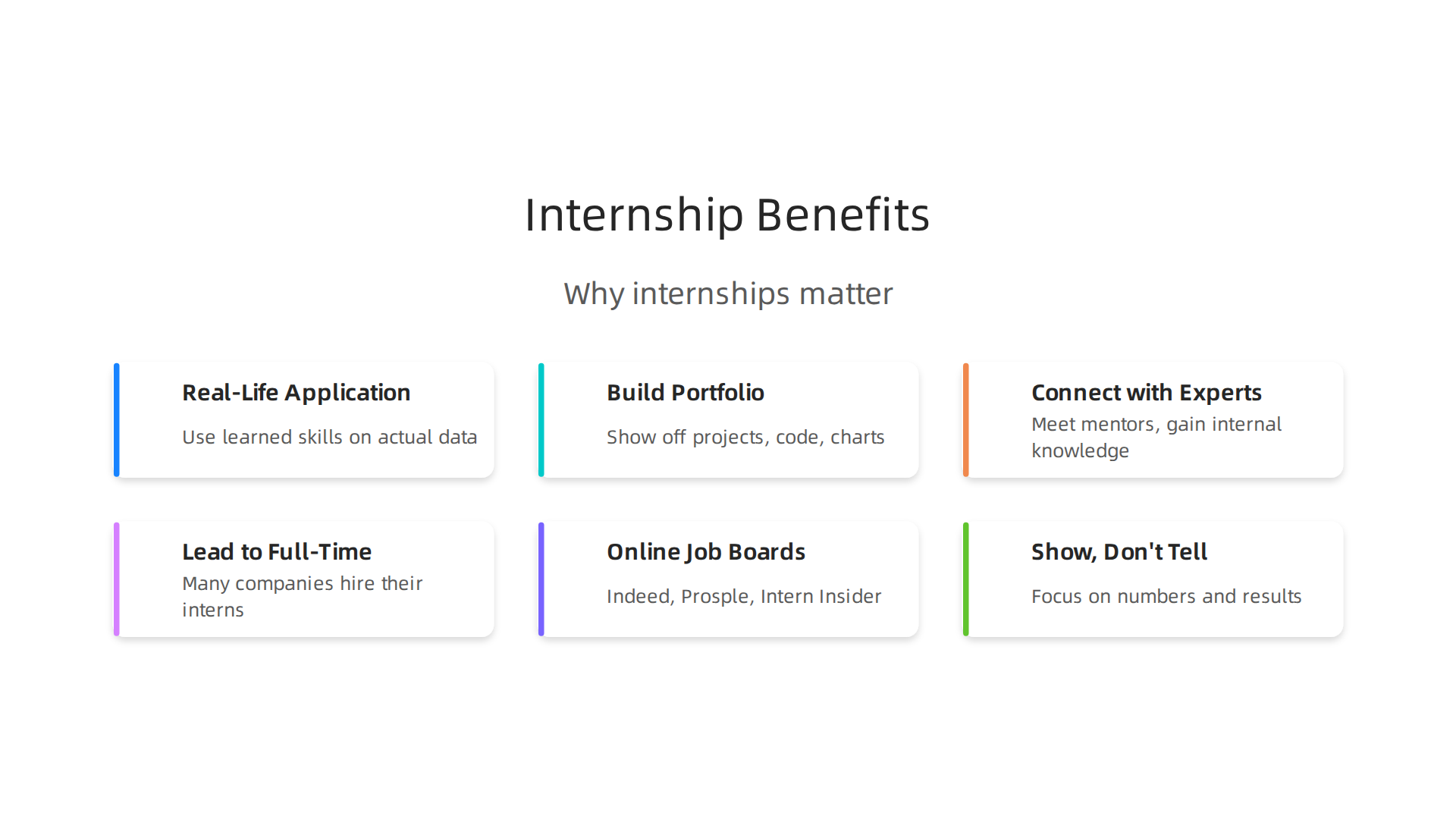
Imagine learning about how to clean data or make predictions with models. In an internship, you don’t just read about it; you actually do it with real company data. This means you help solve real problems for the business. This hands-on work helps you understand how data moves from being raw information to a helpful tool that makes decisions. You get to see the whole process, or "data workflows," up close.
A big part of why data science internships are so helpful is that they give you something to show off. When you work on projects during your internship, you build a data science portfolio. This portfolio can include examples of your code, helpful charts called dashboards, or reports you wrote. These pieces of work prove what you can do. Hiring managers, who decide who gets a job, love to see this kind of proof. It tells them you can actually do the job, not just talk about it.
Beyond the practical work, internships connect you with experienced people.

You’ll meet mentors who can guide you, teach you new things, and help you learn faster than you would on your own. They share "internal knowledge" about how the company works and what skills are truly needed. These connections are priceless for growing your career. In fact, many companies hire their interns for full-time roles. Data from 2026 shows that around 63.1% of eligible interns accepted a full-time job offer from their internship company, which is the highest rate in five years, showing how often internships lead directly to jobs Do Internships Lead to Full-Time Offers? (2026 Data).
Whether you want to work in data management jobs or become a marketing specialist who deeply understands data, these experiences are a clear advantage. They give you the real-world skills and proof of your abilities that employers are looking for in 2026. A strong portfolio, built from these experiences, makes you stand out. You can learn more about how to make your work shine by understanding how to stand out with marketing portfolio examples. This is how data science internships pave the way for a bright future.
Where to find high-quality data science internships (and how to evaluate them)
Now that we know how important data science internships are, let’s look at where you can find these great chances and how to pick the best ones for you. Finding the right internship is a bit like a treasure hunt. You need to know where to look and what to look for!
Places to discover data science internships
There are many places to find data science internships, each with its own good points.
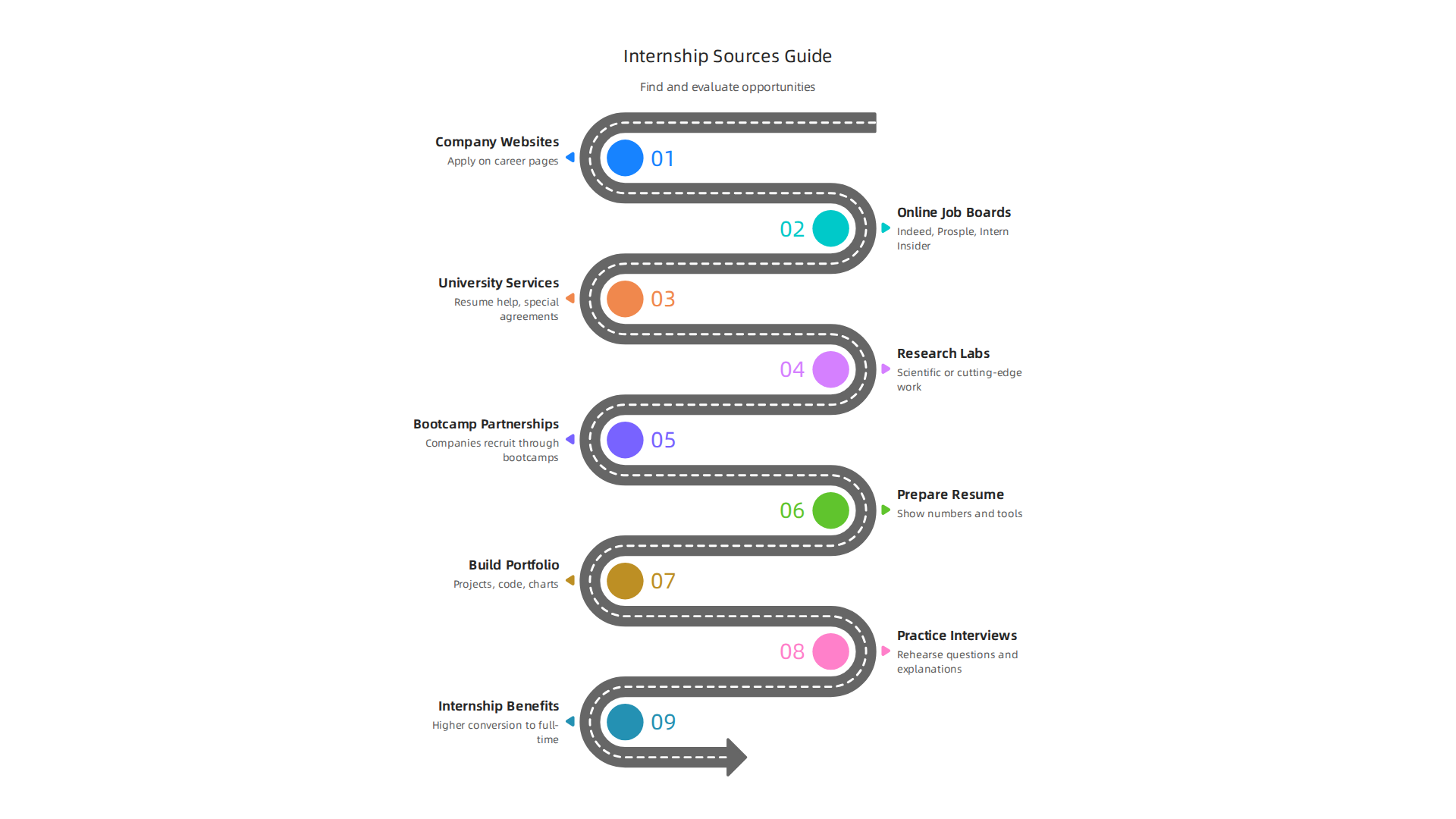
- Company Websites and Programs: Many big companies like Google, Meta, and Amazon offer their own data science internship programs. You usually apply directly on their career pages. These often open their applications very early, sometimes almost a year before the internship starts. For example, some top tech companies start accepting applications in the fall of 2026 for summer 2027 internships, so it’s smart to plan ahead When Do Internship Applications Open? Your 2027 Timeline by ….
- University Career Services: Your school’s career center is a fantastic resource. They often have special agreements with companies and lists of internships just for students. They can also help you with your resume and interview practice.
- Online Job Boards: Websites like Indeed, Prosple, and Intern Insider list many data science internships. You can search for "data science internship" to find hundreds of open positions for 2026 and beyond How to Land a Data Science Internship: Your 2026 Guide. Websites like GitHub even list AI College Jobs which can include data science roles.
- Research Labs and Academic Partnerships: If you’re interested in more scientific or cutting-edge work, look at university research labs or groups linked with academic programs. These can offer unique experiences working on new discoveries. The American Statistical Association, for example, lists 2026 Internships related to statistics and data science.
- Bootcamp Partnerships: Some data science bootcamps work with companies to help their students find internships after they finish their training. This can be a good path if you’re taking a bootcamp.
How to know if an internship is truly good
Once you find some data science internships, how do you pick the best one? Here are some things to think about:
- Good Mentorship: Will you have an experienced person guiding you? A good mentor teaches you, helps you grow, and answers your questions. This is super important for learning new skills and how to use tools like Python for data analysis in 2026.
- Real Data and Projects: Make sure you’ll be working on actual company problems with real data, not just practice exercises. This helps you build a strong data science portfolio.
- Meaningful Responsibilities: You want to do work that matters. Ask about the types of tasks you’ll handle and how your work will help the company.
- Chance to Get Hired: Does the company often hire its interns for full-time jobs? An internship that leads to a job is a huge win.
Timing your applications
Applying at the right time can make a big difference.
Large tech companies usually open applications for summer internships in the fall of the year before (e.g., fall 2026 for summer 2027). Other companies, especially smaller ones or startups, might post openings closer to the internship start date. Research internships might follow academic schedules. Make sure to check the timelines for the places you’re interested in.
Staying up-to-date on industry trends and job openings can also give you a clear advantage when looking for the best roles.
Get clear daily AI updates from The AI Newsletter Worth Reading.
Knowing where to look for data science internships is just the first step. To truly get noticed, you need to make your application shine. This means preparing a strong resume, a helpful portfolio, and practicing for interviews.
Crafting a Winning Resume
Your resume is often the first thing a company sees. For data science internships, it needs to be clear and show what you can really do.
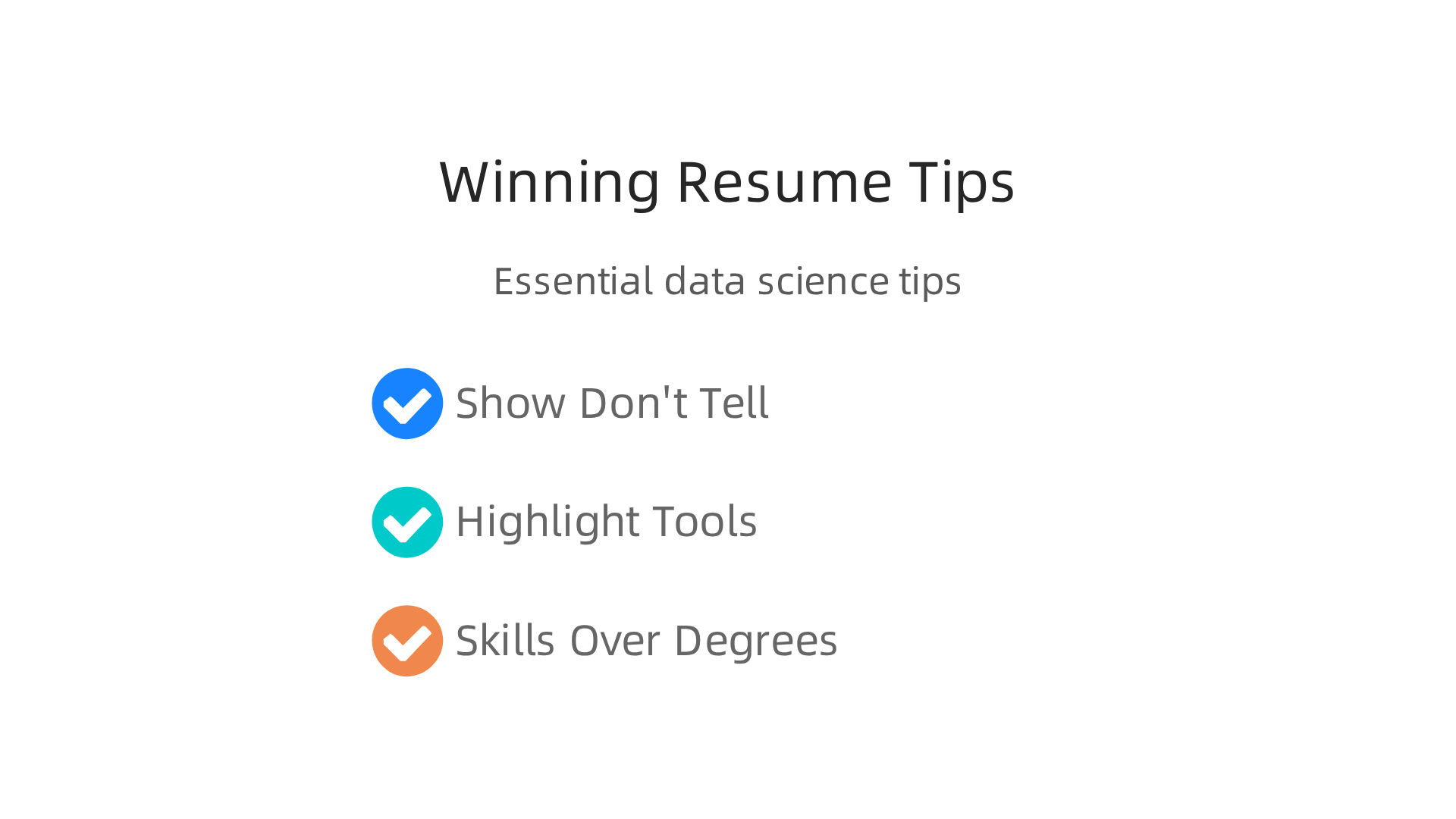
- Show, don’t just tell: Instead of saying "helped analyze data," try "used Python to analyze customer data, which helped increase sales by 10%." Focus on numbers and results.
- Highlight tools: List the specific tools and programming languages you know, like Python, SQL, or R. This tells employers you have the skills they need.
- Skills over just degrees: Many companies in 2026 are looking more at what you can do rather than just your degree. Make sure your resume shows off your practical skills Employer Use of Skills-Based Hiring Practices Grows. Employers value things like data analysis and storytelling.
Building an Impressive Project Portfolio
A data science portfolio is like your personal showcase. It lets you show off real work you’ve done.
- Real-world problems: Choose projects that tackle actual problems, even if they’re just practice ones. Explain why the problem matters.
- Your process: For each project, explain how you approached the problem, what data you used, and what tools helped you. You can share your code or notebooks.
- Show impact: Tell how your work would help a business or contribute to new knowledge. Hiring managers look for projects that clearly define the problem and show real-world data use The Portfolio Rubric Data Science Hiring Managers Use. A strong portfolio helps show your experience beyond simple coursework.
To create a great data science portfolio, it helps to understand the full data science process from start to finish. Learn more in our guide to mastering the data science process.
Acing Your Interviews
Interviews for data science internships usually test both your technical knowledge and how you think.
- Coding skills: Be ready to show your skills in languages like Python or SQL. You might need to solve coding problems on the spot. Many roles require a good understanding of SQL, Python, and basic statistics Data and AI Internships 2026: Entry-Level Reality.
- Stats and Machine Learning: Brush up on the basics of statistics and machine learning. This includes understanding how different models work and when to use them.
- Problem-solving: Companies might give you a case study or a design problem. They want to see how you break down a complex issue and come up with solutions. Communication skills are also key.
- Practice: The best way to get good at interviews is to practice. Think about common questions and try to explain your projects clearly.

This prep can cover coding, statistics, machine learning, and data case studies Data Science Interview Prep Guide (2026) – Coursera.
By putting effort into your resume, building a strong data science portfolio, and practicing your interview skills, you’ll greatly improve your chances of landing a fantastic data science internship. These steps are vital for anyone looking to secure a top role in data or AI in 2026. For more insights on finding roles and needed skills, explore mastering AI jobs in 2026.
Getting a data science internship isn’t just about having good grades or knowing the right people. It’s really about showing what you can do. Employers in 2026 want to see specific skills and projects that prove you can jump right in and make a difference. Let’s look at what truly catches their eye.
Applied Data Science Skills
Companies are keen on seeing practical skills that go beyond classroom learning.
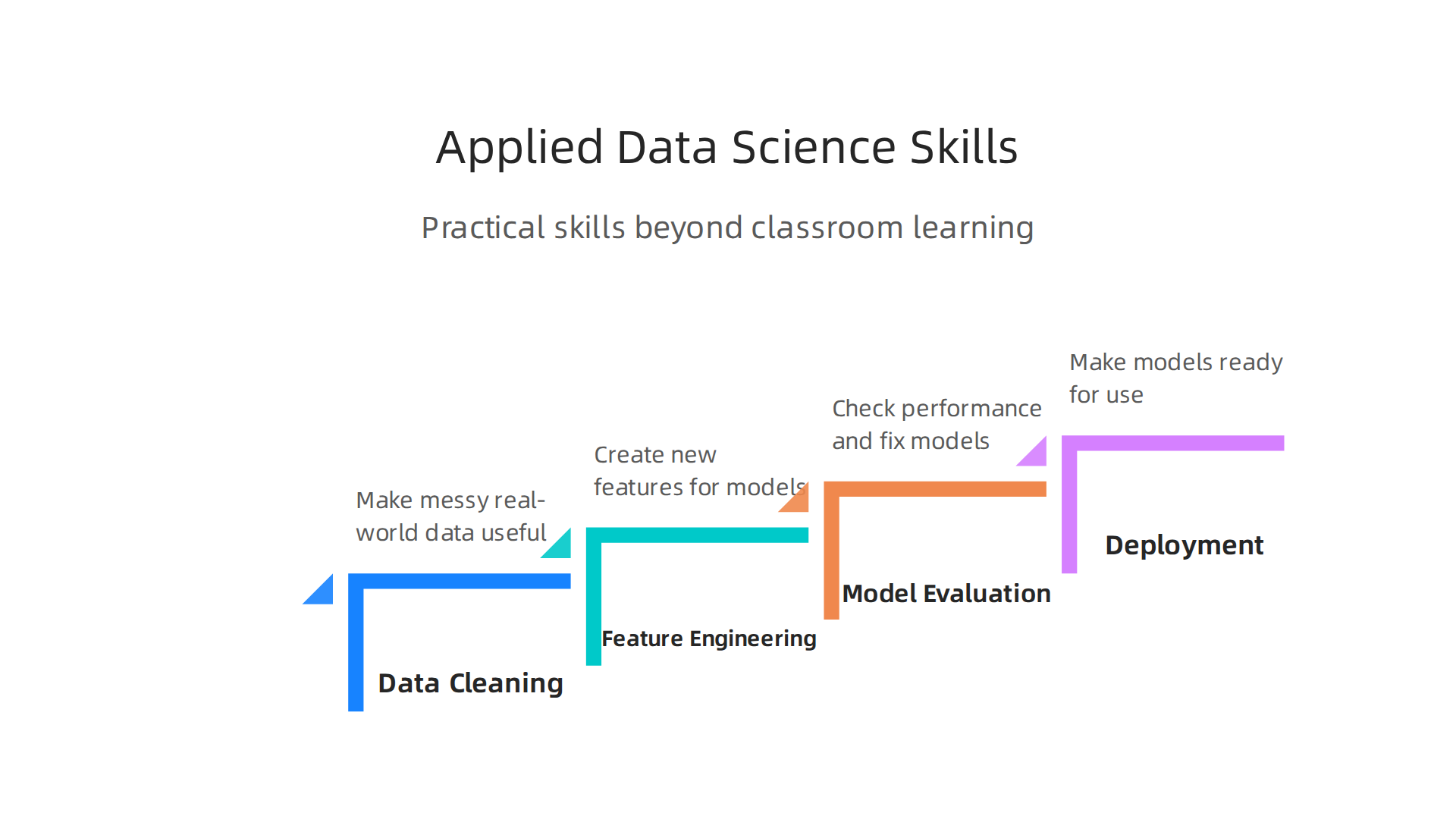
You need to show you can handle real data and make sense of it. Here are some key skills:
- Data Cleaning at Scale: Real-world data is messy. Showing you can clean large amounts of data to make it useful is super important.
- Feature Engineering: This means knowing how to create new features from existing data to help your models work better. It’s like finding hidden clues.
- Model Evaluation: You need to know if your models are actually good. Understanding how to check their performance and fix them is key.
- Deployment Basics and Experimentation: Being able to take a model you built and make it ready for others to use, even in a simple way, is a big plus. Also, showing you can try out different ideas to find the best solution. Many roles seek people with experience in data analysis, machine learning, and hypothesis testing 2026 Summer Internships Data Science Jobs, Employment. Python is a top choice for these tasks. You can quickly improve your skills in this area with resources like our guide to accelerate your career with Python for data analysis in 2026.
Showcasing Projects That Shine
Your data science portfolio is where these skills come to life. A strong portfolio tells your story better than just a resume. Here’s what makes projects stand out:
- Reproducible Code: Make sure your code is clean and easy for others to run. This shows you can work well in a team.
- Clear Metrics: Explain how you measured the success of your project. What numbers did you use? How did you know it worked?
- Business Value: Show how your project could help a company. Did it save money? Make things faster? Help a marketing specialist understand customers better? Employers are looking for people who can connect data work to business needs Developing a Data Analytics Practicum Course.
- Concise Presentation Materials: Can you explain your project simply and clearly? This means good visuals and easy-to-read reports.

Building a portfolio of strong projects is a crucial step towards securing not just data science internships, but also full-time data management jobs. If you’re starting from scratch, learning how to build a portfolio for data science from scratch your step by step beginner roadmap can be incredibly helpful.
Soft Skills That Matter
Beyond technical skills, how you work with people is also very important. These are often called "soft skills."
- Communication of Results: Can you explain complex data findings to someone who doesn’t know much about data science? This skill is highly valued by recruiters 12 Skills Recruiters Look For in 2026 (What Employers Value).
- Cross-Functional Collaboration: You won’t work alone. Being able to work well with teams across different departments, like sales or product, is essential.
- Autonomy in Scoping Tasks: Can you take a big problem, break it down, and figure out what steps to take on your own? This shows initiative and helps teams move forward Expectations Mapped To….
By focusing on these applied skills, building impressive projects, and honing your soft skills, you’ll greatly increase your chances of landing a top data science internship in 2026.
Staying up-to-date with all the fast changes in AI and data science is vital for your career. Get clear daily AI updates from The AI Newsletter Worth Reading.
You’ve worked hard to land a data science internship in 2026. Now, the real work begins: making the most of this important experience. An internship is not just a temporary job; it’s a chance to learn a lot, grow your skills, and build important connections. Here’s how to ensure your internship truly helps your career.
Set Clear Goals and Seek Guidance
When you start your internship, one of the best things you can do is talk with your manager about what you want to achieve. Set clear goals together. Think about what new skills you want to learn, what kind of projects you hope to work on, and what you want to understand better by the end of your time there. It’s smart to ask about success criteria during your first couple of weeks and then check in on your progress regularly, maybe every two weeks. This way, you and your manager are on the same page about what’s expected and how you’re doing Remote Internship Conversion in India: Stipends & Offers. Having these goals written down can help keep everyone focused.
Make sure to get a good mentor. Regular, weekly meetings with your mentor can build trust and consistency, helping you learn and get valuable advice Mentoring Interns: Why It’s Critical to Your Internship Program. Don’t be shy about asking for feedback often. This helps you improve quickly and shows you are eager to learn. Also, try to talk with people beyond your direct team. Scheduling chats with "skip-level" managers (your manager’s manager) or people on different teams can give you a broader view of the company and help you build a network. If you’re looking to really master the field, understanding how to handle different data tools is key, which you can learn about in guides like how to choose data analysis tools in 2026.
Build a Visible Track Record
An internship is a fantastic chance to create things that last. Try to build "reusable artifacts." This means creating tools, reports, or bits of code that others can use even after your internship ends. These show your practical value.
Also, make sure your work is seen. Participate in presentations or "demo days" where you can show off what you’ve accomplished. These are great ways to get noticed and explain the impact of your work. After each project, write a short summary of what you did, what you learned, and how it helped the company. These summaries are perfect for adding to your data science portfolio. A strong data science portfolio with real-world examples can really boost your chances for future opportunities, whether it’s more data science internships or full-time jobs.
When your internship is nearing its end, companies often start thinking about full-time offers. Many start reviewing interns for full-time conversion around week four or five of a summer program to give enough time to coach or make offers From Intern to Full-Time Offer: A Structured Evaluation …. Showing your value throughout the internship can increase your chances of turning it into a long-term role.
Turning your data science internship into a full-time job is a big step. It’s smart to know how companies decide who to hire and what you can do to get that offer. This often means understanding key timelines and being ready to talk about your value.
Converting Internships into Full-Time Roles (Negotiation and Timing)
As your internship moves forward, companies often start to think about making full-time job offers. For a typical 12-week internship, you might hear about offers around weeks 8 to 11 SkillBridge Job Offer Negotiation: Internship to Hire. It’s helpful if your manager keeps you in the loop about how you’re doing and any formal review times. Many companies aim to give offers before the internship ends, ideally with enough time for you to think it over carefully From summer interns to September hires: The art….
When an offer comes, it’s okay to negotiate. Look at the job level, what your duties will be, and how much you will get paid. Do some research to see what similar data science jobs or even data management jobs are paying in 2026. This helps you know if the offer is fair. Always ask for the offer in writing. Companies usually give you at least two weeks, or sometimes even more, to decide on a job offer Evaluating and Negotiating Job Offers. Don’t feel rushed to say yes right away.
If a full-time offer isn’t made, don’t worry! This is a chance to learn and grow. Ask your manager for honest feedback on what you did well and what you can improve. This feedback is golden for your next steps. Also, ask if they would be willing to give you a reference. You can then update your data science portfolio with all the new projects and skills you gained during your internship. Many companies have clear paths for turning interns into full-time staff, so you can focus your search on those places next.
To stay on top of the latest trends in artificial intelligence and technology, which are key for any data science professional, consider subscribing to The AI Newsletter Worth Reading for clear daily updates from The Deep View Newsletter.
Not all valuable data science internships look the same. Sometimes, a traditional, full-time, in-person internship isn’t the right fit, or you might want to explore other ways to get experience. Good news: there are many other paths to building your skills and getting recognized in data science.
Remote and Part-Time Internships Offer Flexibility
Remote and part-time data science internships are great options. They give you the chance to gain real-world experience even if you can’t be in an office every day. This flexibility is perfect if you’re still in school, have other commitments, or simply prefer to work from home. For example, you can find many part-time remote data science jobs listed in 2026.
To make these types of internships successful, you need to be good at managing your time and communicating clearly. It is vital to talk often with your team and manager, making sure everyone knows what you are working on and when tasks will be done. This helps you deliver good work even without daily face-to-face talks. If you’re aiming for these roles, learning how to land remote data analyst jobs in 2026 with skills resume and interview tips can be very helpful.
Research Assistantships for Deep Learning
If you love digging deep into subjects and learning new things, a research assistantship might be a perfect fit. This involves working with a professor or researcher at a university on their projects. You could help collect data, read studies, or do complex analysis. These roles are often best for people interested in machine learning (ML) research or advanced data science theories. They help you build strong research skills and connect with experts in your field Alternatives to Traditional Internships: Research Assistantships …. This path can really boost your understanding of the technical side of data science. It’s a great way to advance your mastering AI in 2026 key skills learning paths and career strategies.
Bootcamp Partnerships and Competitions
Short-term bootcamp partnerships and data science competitions can also give you valuable experience. Some bootcamps work with companies, allowing students to tackle real-world problems. For example, AT&T once teamed up with SMU to create a program where students used data science to solve company challenges AT&T, SMU Team Up to Turn Data Science Training into …. These kinds of programs offer quick, hands-on experience and help you add projects to your data science portfolio.
When considering bootcamps or competitions, think about how much future employers will value them. While they are great for learning and networking, a longer, more structured internship often carries more weight when you’re looking for a full-time job. Always look for programs that offer clear projects and outcomes you can proudly show off.
Summary
This article explains why data science internships remain a critical launchpad for a career in 2026, showing how hands-on projects, access to real datasets, and workplace mentorship accelerate learning far beyond coursework. It covers where to find internships—from company programs and university career services to job boards, research labs, and bootcamp partnerships—and gives concrete criteria to evaluate opportunities, such as mentorship quality, real projects, and hiring conversion. The guide walks through application essentials: writing result-focused resumes, building reproducible portfolios that demonstrate business value, and preparing for coding, statistics, and case interviews. It also explains how to set goals during an internship, make your work visible, and negotiate or time a conversion to full-time employment. Finally, the article highlights alternative paths like remote roles, research assistantships, and competitions, and points you to practical learning resources to keep skills current in the fast-changing AI and data landscape.