

Introduction: The AI Growth Explosion – Where Capital and Innovation Converge

Have you ever opened your news feed and felt bombarded by AI stories every day? You are not alone. The speed of change is incredible, and the money behind it is even more impressive.
In 2025, global corporate AI investment surged past $200 billion. According to the Stanford HAI 2025 AI Index Report, corporate investment hit $252.3 billion in 2024. And it kept climbing. The OECD reports that in 2025 venture capital investments in AI firms made up 61% of all VC funding, reaching $258.7 billion. To put that in perspective, in the third quarter of 2025 alone, AI startups raised $45 billion, which was 46% of all global venture funding. Foundation model companies collected $80 billion that year.
But here is the thing. Not every company benefits equally. Even with market volatility and economic uncertainty, a handful of AI companies have achieved something remarkable: triple-digit revenue growth and a dominant market position. These are the fastest growing AI companies right now. They are not just growing fast. They are changing how entire industries operate, from healthcare and finance to retail and logistics.
Investment banking analysts are watching these companies closely. Some have already gone public on the New York Stock Exchange. Others are the best AI startups that private investors are fighting to back.
In this listicle, we will look at eight companies that are leading the charge. Whether you are an investor, a founder, or just someone who wants to stay informed, knowing these names will help you understand where the AI world is heading.
The demand for talent to support this growth is also through the roof. For example, data specialists have become more critical than ever as companies race to build smarter AI systems.
If you want to stay ahead of the curve and track the fastest growing AI startups daily, you need a simple source of truth. That is why we recommend The Deep View Newsletter. It delivers clear, practical AI insights to your inbox every day, helping you cut through the noise.
Ready to discover the companies that are reshaping our future? Let us dive in.
1. OpenAI: The Unmatched Revenue Rocket
If there is one name that stands above the rest when we talk about the fastest growing AI companies, it is OpenAI.
You probably know them for ChatGPT. But what you might not realize is just how fast their money machine is running. In 2025, OpenAI generated over $10 billion in revenue. That is not a typo. And a huge chunk of that came from two main sources: ChatGPT Enterprise subscriptions and their API services that power thousands of other applications.
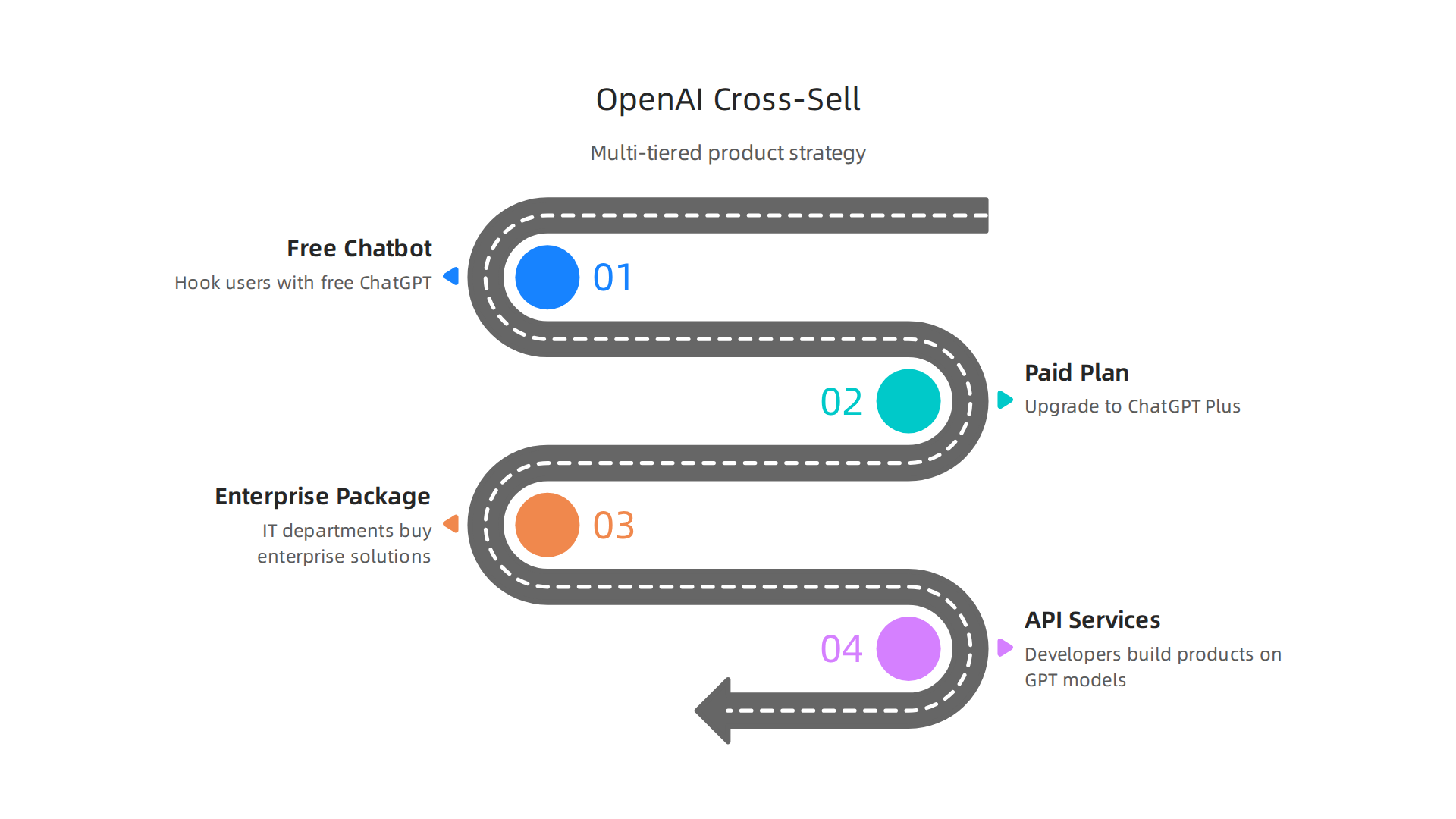
How did they get there so fast? The answer is smart strategy. OpenAI built something for everyone. You can pay for ChatGPT Plus as an individual. Your company can buy ChatGPT Enterprise. And developers can build products on top of GPT models through the API.
Each product feeds the other.
In fact, during the first quarter of 2025, OpenAI raised a record-setting $40 billion funding round, according to KPMG’s Venture Pulse report. That round pushed the company’s valuation past $300 billion, making it the most valuable private AI firm in the world.
Here is the expert insight that matters. OpenAI’s strategy of layering consumer and enterprise products creates a powerful cross-sell engine. They hook you with a free chatbot. Then you upgrade to a paid plan. Then your IT department buys the enterprise package.
Before long, your whole organization runs on their models.
All of this success creates an enormous demand for skilled people who can actually work with these systems. That is why data specialists are more critical than ever as companies race to keep up with OpenAI and its competitors.
If you want to keep up with all the moves these companies make without drowning in noise, we recommend The Deep View Newsletter. It delivers clear, daily AI insights straight to your inbox so you never miss what matters.
2. Anthropic: The Safety‑First Contender Gaining Enterprise Trust
OpenAI might have the flashiest headlines, but Anthropic is quietly becoming one of the fastest growing AI startups you need to watch.
Anthropic builds the Claude family of models. And here is the twist: they put safety above speed. Their approach, called constitutional AI, trains models to follow a set of ethical rules. That might sound like a slower path, but it has actually become a huge advantage.
In 2025, Anthropic’s revenue grew 400% from the year before, reaching an annual run rate of roughly $7 billion by October. To put that in perspective, the company generated about $1 billion in all of 2024. That kind of growth puts them firmly among the best AI startups in the world.
Why are companies flocking to Claude? The answer is trust. Regulated industries like healthcare and finance need AI that can explain its decisions and follow strict rules. Anthropic’s safety audits and transparent model cards give these buyers confidence. As one report noted, enterprise customers pay premium rates for safety, reliability, and support. And they are willing to commit to big contracts because Claude just works without scary surprises.
A big chunk of that revenue came from two well known tools: Cursor and GitHub Copilot. Together, they made up about 25% of Anthropic’s mid-2025 revenue. That shows how deeply Claude is already woven into the developer ecosystem.
But Anthropic is not stopping there. Their own economic index research shows that in early August 2025, one in four businesses in the Information sector reported using AI. That is around ten times the rate for other industries. The demand for safe, powerful AI is only growing.
Here is what this means for you. As companies like Anthropic push the boundaries, the need for people who can build, audit, and deploy AI systems explodes. That is why staying sharp with the right skills matters more than ever. If you are looking to level up, check out this guide on how to choose data analysis tools in 2026 for AI professionals.
Anthropic is not trying to outshine OpenAI with raw speed. They are winning by being the safest choice. And in a world full of AI hype, that is a pretty smart bet.

If you want to keep a finger on the pulse of companies like Anthropic without getting overwhelmed by daily noise, try The Deep View Newsletter. It delivers clear, daily AI insights straight to your inbox.
3. Midjourney: The Visual AI Powerhouse Monetizing Creativity
You have seen those stunning AI images flooding social media. But do you know which company is quietly printing money by making them? Midjourney.
Midjourney is one of the fastest growing AI startups that did things the old fashioned way. No venture capital. No boardroom pressure. Just a subscription model and a loyal community of creators.
Here are the numbers that matter. By 2025, Midjourney’s annual revenue passed $500 million. That is huge for a company that never took outside funding. And they grew more than 80% year over year. That puts them right up there with the best AI startups in the world.
How did they pull it off? Midjourney focused on one thing: making the best image generator for artists and designers. Their subscription model is simple.

You pay a monthly fee, you get access. No ads. No data mining. Just great results.
Most fastest growing AI companies chase billions in funding. Midjourney said no. They stayed bootstrapped. That let them put product quality above everything else. They did not have to answer to investors who wanted faster growth or an IPO on the New York Stock Exchange. Instead, they answered to their users.
This is a smart move. In investment banking terms, revenue with no debt is gold. Midjourney owns its future.
What does this mean for you? If you create visual content, Midjourney is a tool you need to know. And if you want to compare it to other options, check out this guide on the best AI image generator free options tested and compared for 2026.
Midjourney shows that you do not need to be a Silicon Valley unicorn to be one of the fastest growing ai companies. Sometimes, the smartest path is the independent one.
4. Scale AI: Data Infrastructure for the AI Economy
Midjourney makes the art. Scale AI builds the engine room. While you might not see Scale AI’s name on a flashy product, it powers some of the most important AI systems in the world. Think of it as the plumbing behind the smartest machines.
Scale AI does one thing really well: it provides the high quality data that AI models need to learn. Every self driving car, every military drone, every enterprise chatbot needs clean, labeled data. And Scale AI is the biggest supplier of that data.
The numbers are staggering. In 2025, Scale AI hit about $2 billion in annual revenue, up from $870 million the year before. That is more than 130% growth in a single year. According to Sacra, the company reached that $2 billion mark and kept climbing. Their valuation jumped to $29 billion after their Series G-1 funding round in June 2025.
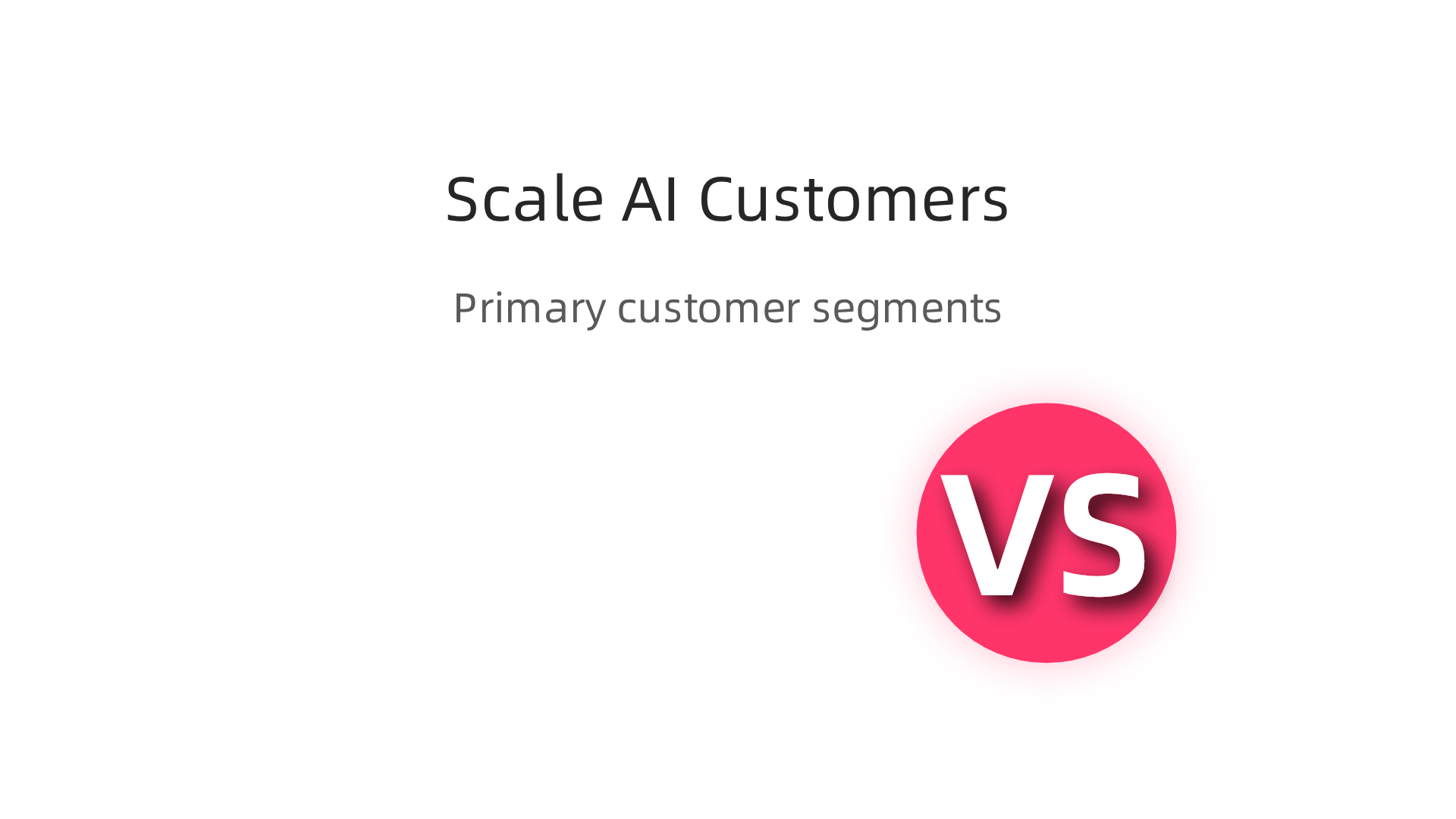
So who buys this data infrastructure? Two big groups. First, autonomous vehicle companies like Waymo and Cruise rely on Scale AI to label millions of images and sensor readings. Second, the U.S. government uses Scale AI for defense AI projects.
You can see one example in a public contract for machine learning research.
This makes Scale AI one of the most stable fastest growing ai companies. They are not chasing consumer trends. They are the supplier behind the scenes. And in investment banking terms, that recurring government and enterprise revenue is extremely valuable.
If you want to understand why data is the new gold, check out this article on how data specialists are more critical than ever in the age of AI. The people who prepare the data are the unsung heroes.
Scale AI shows that the fastest growing ai startups are not always the ones you see in the news. Sometimes the smartest bet is on the companies that make everything else possible.
Want to stay ahead of the biggest shifts in AI like this one? Join The Deep View Newsletter for simple daily AI insights.
5. Cohere: The B2B Language Model Specialist
While Scale AI fuels the data engine, Cohere has quietly become one of the fastest growing ai companies by focusing on a different niche: enterprise language models. These are not the consumer chatbots you use for fun.

These are private, customizable AI systems built for big corporations.
By late 2025, Cohere reported about $200 million in annualized revenue. That growth comes from a very clear strategy. They let businesses take powerful large language models and tailor them to their own data. That means a bank can have an AI that understands financial regulations. A hospital can build a model that respects patient privacy.
The key selling point? Data sovereignty. European and North American companies worry about where their data lives. Cohere runs its models across multiple clouds, so businesses can keep sensitive information on their own infrastructure. This multi-cloud approach has won over major corporations in both regions.
A big boost came from a partnership with Oracle. That deal gave Cohere access to Oracle’s massive enterprise customer base. When you combine customizable models, data control, and a giant sales partner, you get one of the best ai startups for business use.
For investment banking analysts tracking the new york stock exchange trends, Cohere represents a different kind of AI bet. Not flashy. But sticky. Once a company builds its internal tools on Cohere, switching costs are high. That kind of recurring enterprise revenue is exactly what long term investors love.
If you are exploring careers in this space, understanding how these models work matters. Check out this guide on top data analysis certifications for AI professionals to see what skills companies like Cohere look for.
Cohere proves that the fastest growing ai startups are often the ones solving boring but profitable problems. And that is a very good thing for the bottom line.
Want to stay updated on the most important AI companies every day? Join The Deep View Newsletter for simple daily AI insights.
While Cohere solves data privacy for enterprise AI, Hinge Health tackles a much different but equally expensive problem: back pain, joint issues, and injuries that cost employers billions each year. This is one of the fastest growing AI startups because it uses technology to replace expensive, in-person physical therapy with a digital program that actually works.

In 2025, Hinge Health reached $1 billion in revenue, making it the fastest growing AI companies in digital health. The numbers back that up. In the first quarter of 2025, the company reported $123.8 million in revenue, a 50% jump from the year before. By the second quarter, growth accelerated to 55%. And in the fourth quarter, revenue hit $170.7 million, up 46% year over year. For the full fiscal year 2025, Hinge Health posted a non-GAAP income from operations of $119.5 million. That is a huge swing from a loss of $26.1 million the year before.
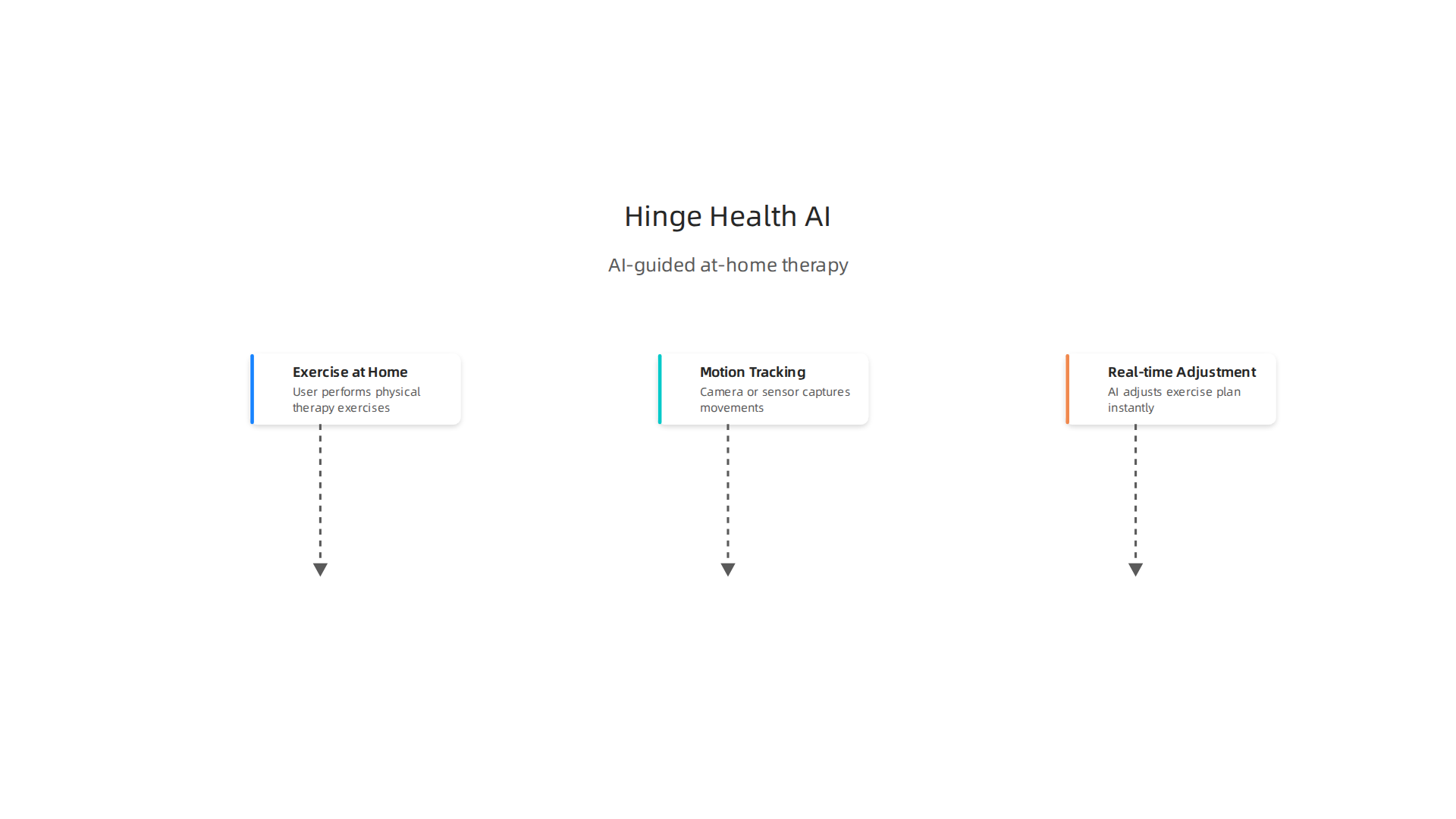
How do they do it? Their AI powered motion tracking watches your body as you exercise at home. A smartphone camera or a simple sensor captures your movements. The AI then adjusts your exercise plan in real time.
It is like having a physical therapist watching your every rep, but at a fraction of the cost.
Employers love the results. One study showed that Hinge Health lowered healthcare costs related to musculoskeletal issues by 30%. And the company keeps getting more efficient. In 2025, they served 47% more members without adding any new care team staff. That is the power of AI automation.
For 2026, Hinge Health projects revenue to hit $732 million. If you follow companies on the new york stock exchange, this is one to watch. For investment banking analysts, the combination of high margins, recurring contracts with big employers, and strong unit economics makes this a best ai startups for the long term.
If you want to understand the skill sets behind companies like Hinge Health, check out how data specialists are more critical than ever in the age of AI.
Want to stay ahead of the next wave of fastest growing ai companies? Join The Deep View Newsletter for simple daily AI insights.
7. Glean: AI‑Powered Enterprise Search and Knowledge Management
Hinge Health solves a physical problem. Glean solves a digital one. With companies drowning in Slack messages, emails, and shared drives, finding the right information has become a huge waste of time. That is exactly where Glean comes in as one of the fastest growing ai startups.
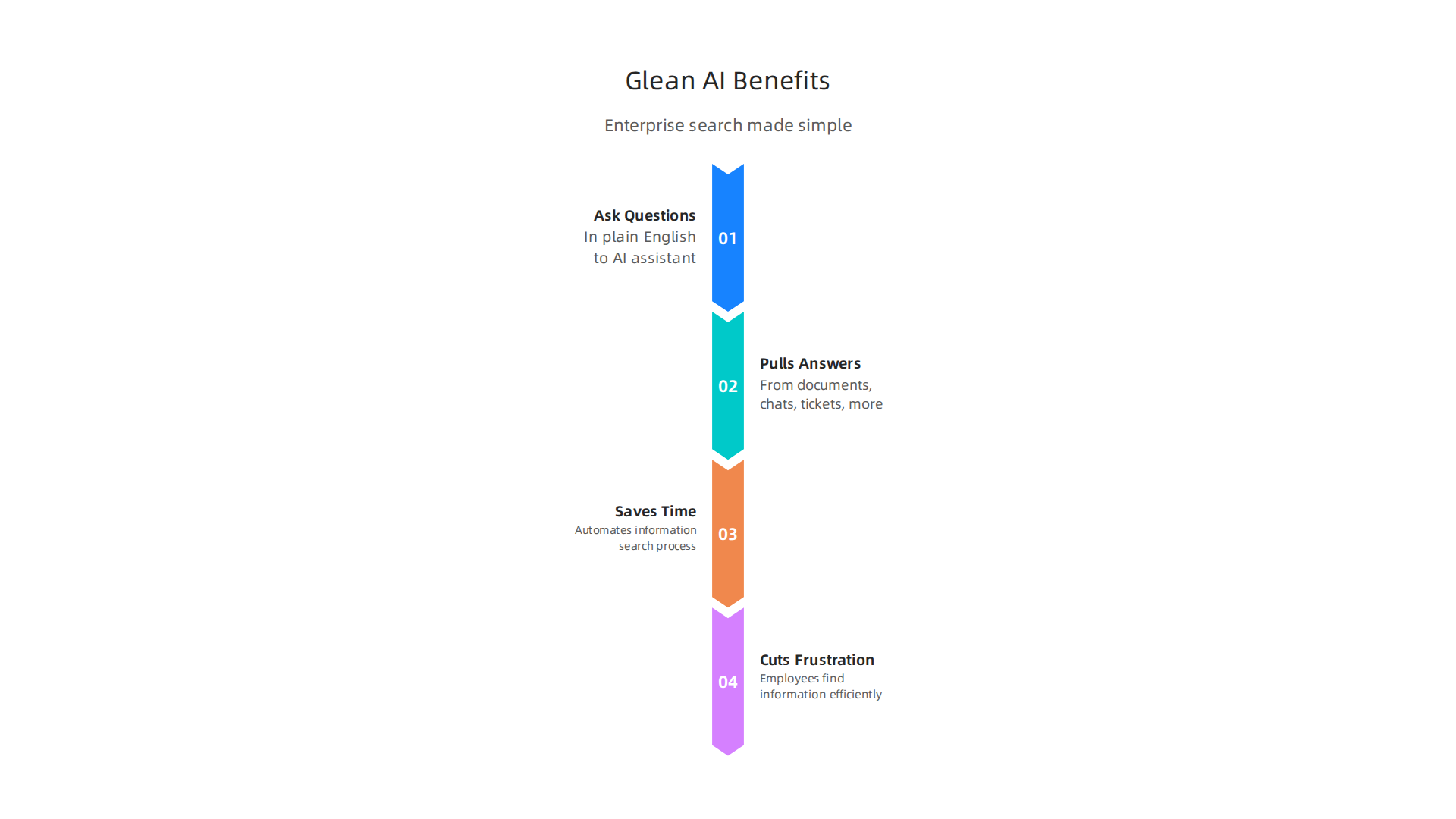
Glean builds AI search and assistant software that connects to all the apps your company already uses. Think of it as a smart brain for your entire organization. You ask a question in plain English, and it pulls the answer from documents, chats, tickets, and more. No more hunting through folders.
The numbers tell a clear story. From 2023 to 2025, Glean saw a massive 6x increase in annual recurring revenue, hitting $300 million. Over 1,000 large enterprises now use the platform. In fact, in 2025 alone the company closed a $200 million Series D round, pushing its valuation to $5 billion. For anyone tracking best ai startups, that kind of growth is hard to ignore.
Why are so many businesses signing up? Because Glean saves time and cuts frustration. Employees spend hours each week just looking for files or answers. Glean automates that search. It learns from what you do and shows you the most relevant results first. For investment banking analysts who need fast, accurate data, this tool is a game changer.
Glean’s rise shows that the demand for smarter workplace tools is huge. As more companies go digital, they need AI that helps them make sense of all their data. This is not just a nice to have anymore. It is becoming essential.
If you want to stay on top of the fastest growing ai companies like Glean and Hinge Health, you need a reliable way to track them all. That is why we recommend joining The Deep View Newsletter for simple daily AI insights. Each day you get a short, practical update on the biggest moves in AI.
And if you are curious about the kind of talent these companies hire, take a look at why data specialists are more critical than ever in the age of AI. It helps explain the skills behind the fastest growing ai startups.
8. Runway: AI-Powered Video Generation Going Mainstream

Have you ever watched a video and wondered if a human or an AI created it? You might not be able to tell anymore. That is the world Runway is building. After helping professionals solve information overload, Runway is tackling something even bigger: how we make video.
Runway started as a small research company in New York City. But it has quickly become one of the fastest growing ai companies in the world. Its main product, Gen-3 Alpha, lets anyone create realistic video from just a few words. Hollywood studios use it for special effects. Independent creators use it for short films. And large companies use it for marketing clips.
The growth numbers are impressive. According to GetLatka, Runway hit an annual recurring revenue of $300 million in 2025. That is up from $121.6 million in 2024. The company is now valued at $3 billion. Sacra estimates that revenue topped $90 million in mid-2025 alone, with the company becoming profitable in Q3 2025. For a generative AI startup, reaching profitability that fast is very rare.
Why is Runway succeeding where others struggle? Because it focuses on real-world use. Video is everywhere now. From social media to training materials, people want fast, high-quality video. But making it used to take a team of editors and expensive equipment. Runway changes that. You type a sentence, and the AI generates the video in minutes.
This matters for professionals too. For someone in investment banking who needs a quick explainer video for a pitch, Runway saves days of work. For marketers, it means creating ads without hiring a production crew.
The demand for AI video is only growing. Runway’s Gen-3 Alpha is leading that charge. If you are tracking the best ai startups right now, Runway deserves a close look.
Want to keep up with every major move in AI? Join The Deep View Newsletter for simple daily AI insights. Each day you get a short update on the fastest growing ai startups like Runway and others.
And if you are curious about other creative AI tools, check out our guide on the best free AI image generators tested for 2026. It pairs perfectly with Runway’s video tools.
Summary
This article profiles eight of the fastest‑growing AI companies and explains why each is driving rapid industry change: OpenAI (consumer and enterprise revenue engine), Anthropic (safety‑first language models for regulated buyers), Midjourney (bootstrapped image subscription success), Scale AI (data labeling backbone), Cohere (enterprise language models and data sovereignty), Hinge Health (AI‑driven digital care in health), Glean (AI search for knowledge workers) and Runway (generative video at scale). For each company the piece highlights revenue, growth rates, business models, key customers, and strategic advantages, showing how different approaches—safety, subscriptions, infrastructure, or vertical focus—translate into outcomes. The article also points out what these trends mean for investors, founders, and jobseekers by emphasizing unit economics, recurring revenue, and rising demand for data specialists. Readers will come away able to name the major players, understand why they’re succeeding, and know which skills and signals to watch if they want to invest, build, or work in the AI economy.