

Why ‘augment AI’ matters now: a concise framing for busy AI leaders
In 2026, the world of artificial intelligence moves at lightning speed. It often feels like a new AI tool, research paper, or important policy update appears every single day. For busy AI leaders, product teams, and operators, keeping up can feel like an impossible task. This is where the idea of ‘augment AI’ becomes so important.
What exactly does ‘augment AI’ mean in a practical sense? It’s simple, really. It means using AI not to replace human workers, but to make them better, faster, and smarter. Instead of thinking about AI doing all the work, think about it helping you do your best work. For product teams, this could mean AI helping to quickly understand customer feedback or spot new market trends. For operators, it might involve AI sifting through mountains of data to highlight critical issues before they become big problems. Companies like deepbrain ai, lightning ai, otherhalf ai, and solvely ai are working on different ways to achieve this.
The core problem AI leaders face today is a huge amount of information. There’s so much happening in AI that it’s hard to know what’s truly important and what’s just noise. You need concise, trustworthy summaries to make smart choices. For instance, understanding complex rules like the EU AI Act (Regulation 2024/1689) or guidelines from the NIST AI Risk Management Framework is crucial. But who has the time to read every detail when you have a business to run? That’s why using AI to augment human intelligence is about cutting through this overload. It’s about getting the key facts quickly so you can focus on making good decisions and leading your team effectively.

Knowing how to master data scouting in 2026 is a big part of this challenge.
To help with this, many leaders turn to trusted sources for clear, daily AI updates. Get clear daily AI updates from The AI Newsletter Worth Reading.
Macro trends driving interest in augmentation-focused AI
The idea of ‘augment AI’ is gaining speed because of big changes happening in the world. Both companies wanting more help and AI itself getting smarter are driving this trend. Let’s look at why more people are interested in AI that helps humans.
Why Businesses Want Augmentation-Focused AI (Demand)
Businesses in 2026 really want to do more with less.
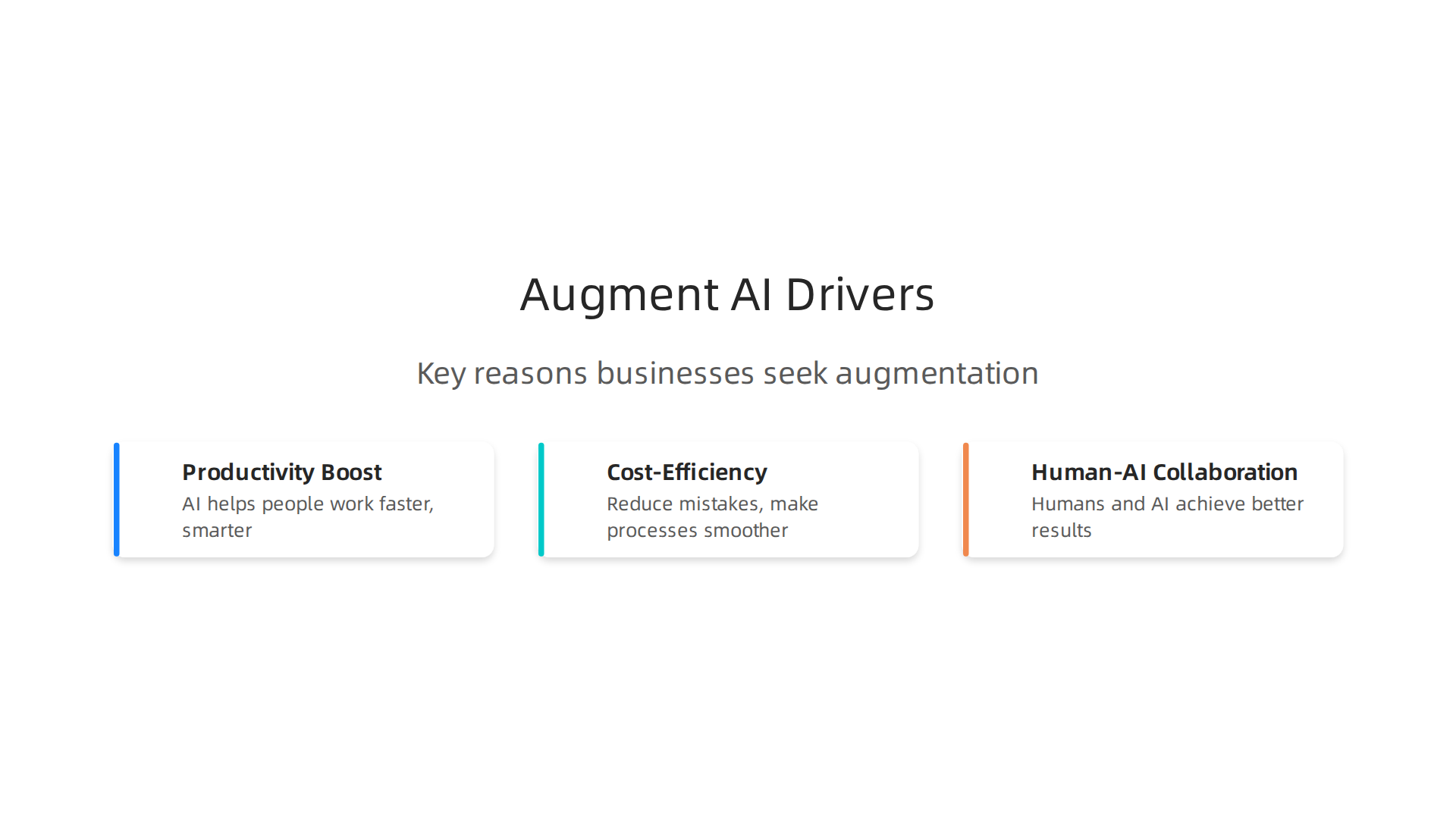
They are looking for ways to boost how much work their teams can get done, often called productivity. When AI helps people work faster and smarter, it makes everyone more productive. This means tasks like sifting through tons of customer feedback or finding new market ideas can be done much quicker. This also helps with cost-efficiency, as smart tools can reduce mistakes and make processes smoother.
Another big reason is the idea of human-AI collaboration. People are seeing that humans and AI working together can achieve much better results than either one alone.

AI handles the heavy lifting of data, while humans bring creativity and judgment. Because of this, the market for services that help people work better with AI is growing fast. Experts say the market for AI Talent Augmentation Services Market Outlook 2026-2033 is expected to grow a lot between 2026 and 2033. This shows how much businesses want to help their teams use AI to change industries for the better. You can learn more about How AI Models In 2026 Are Transforming Every Major Industry.
Why Augmentation-Focused AI is Possible Now (Supply)
The other side of the coin is how much AI has improved. Today’s AI is much more powerful and easier to use than before.
- Better Model Capabilities: AI models, like those that create text or images, are much smarter. They can understand complex ideas and create new content or insights that were impossible just a few years ago. For example, generative AI is a huge part of enterprise spending, showing a big move from just trying things out to using AI widely.
- Smarter Toolchains: The tools we use to build and work with AI have gotten much better. These tools make it simpler for teams to create, test, and use AI in their everyday jobs. Companies such as deepbrain ai, lightning ai, otherhalf ai, and solvely ai are always creating new ways to make these toolchains more helpful.
- Easier Integrations: It’s also much easier to connect AI tools with the systems and software businesses already use. This means AI can fit right into existing workflows without a lot of trouble. This helps companies pick the right tools, and you can find advice on How To Choose The Best Enterprise AI Platform For Your Organization. The market for AI dataset search platforms, which help find the right data for AI models, is also growing rapidly, expected to reach $2.67 billion in 2026 alone, showing how important good data is for making AI work well and continuing to augment human tasks AI Dataset Search Platform Market Report 2026.
These big changes mean that using AI to augment human intelligence isn’t just a dream anymore. It’s a real and powerful way for businesses to grow and for people to do their best work.
The world of AI is buzzing with new ideas, and many smart companies are using ‘augment AI’ to help people do their jobs better. These companies build tools that work with humans, making tasks easier, faster, and smarter. Let’s look at some innovative companies and what they offer in 2026.
Hume AI: Understanding Emotions Better
Hume AI focuses on emotional intelligence. This means their AI can understand how people are feeling. For example, their tools can listen to a customer’s voice during a support call and figure out their emotions. They can also create voices that show different feelings. This helps businesses connect better with their customers by understanding their needs more deeply. Hume AI is noted as one of the most innovative companies for 2026 for its work in this area The most innovative artificial intelligence companies of 2026.
Vertesia: Building AI Apps Made Easy
Vertesia provides a platform where companies can build their own AI apps and smart agents. It uses a "low-code" approach, meaning you don’t need to be an expert coder to create complex AI tools. This helps organizations easily make, launch, and grow AI solutions that augment their teams and processes. It’s a great way for businesses to get into generative AI without a lot of hassle Generative AI Report 2026: $85B Revenue Path | StartUs Insights.
HealthSage AI: Smart Help for Healthcare
HealthSage AI is building an open platform for healthcare AI. They use advanced AI to help doctors and hospitals with many tasks. This can include finding information faster, making sense of patient data, or even helping with administrative work. Their goal is to augment the work of healthcare professionals, giving them more time to focus on patient care. This kind of focused AI is transforming healthcare by making it more efficient Generative AI Report 2026: $85B Revenue Path | StartUs Insights.
Tech.us: Custom AI for Big Business
Tech.us creates custom AI solutions and agents for large companies. They focus on helping businesses with their daily operations. For example, they might build an AI that automates tricky processes or helps teams manage big projects. Their strength is making AI fit exactly what a company needs to improve how they work every day 10 Most Trusted Technology Partners for AI Solutions in 2026.
Deepbrain AI and Lightning AI: Better AI Tools for Everyone
Companies like deepbrain ai and lightning ai are making the tools used to build and work with AI much better. They create "smarter toolchains" that make it simpler for teams to use AI in their regular jobs. Imagine AI that helps you develop software or manage data more efficiently. These companies focus on the "supply" side of AI, ensuring that the tech is powerful and user-friendly, allowing more people to access and benefit from augmentation.
These companies show how ‘augment AI’ is not just a concept, but a living reality in 2026, changing how we work across many fields. To keep up with these fast-moving changes and discover more groundbreaking companies, consider subscribing to The AI Newsletter Worth Reading. Staying informed about tracking AI innovators is crucial for anyone looking to understand the future of work and technology.
When we talk about how AI helps us do more, it’s good to also understand the smart ways these systems are built. It’s not magic, but careful planning and clever computer science. Let’s look at the main technical parts that make augment AI work so well in 2026.
Common AI Building Blocks
Two main ways AI is put together to augment human work are "retrieval-augmented generation" and "tool-augmented agents."
Retrieval-Augmented Generation (RAG)
Imagine an AI that needs to answer a question. Instead of just guessing based on what it learned during training, a RAG system first goes out and finds new information. Think of it like a smart student who looks up facts in a library before writing an essay.
Here’s how RAG usually works:
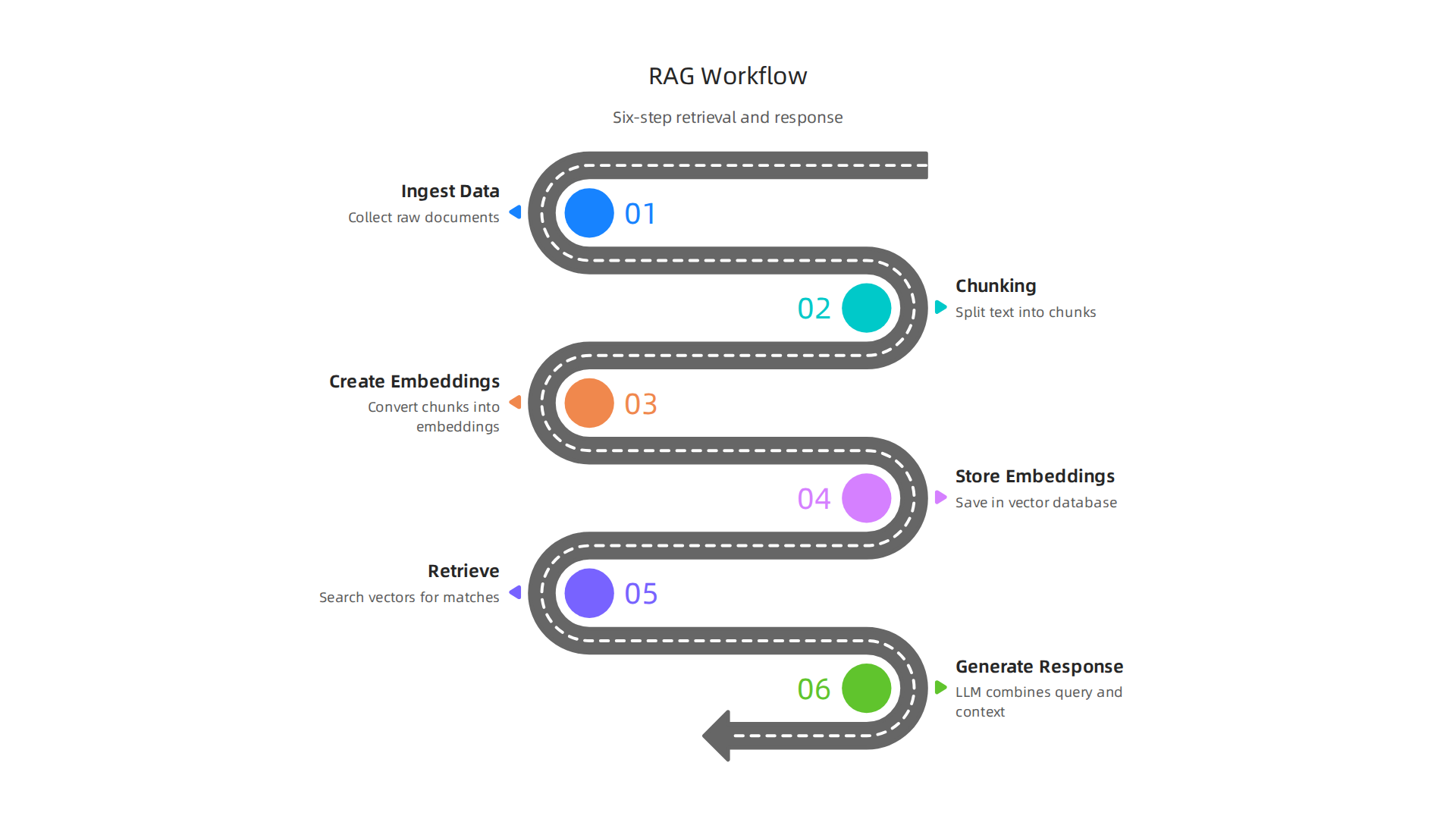
- Getting Data In: First, the system gathers lots of information, like documents, articles, or company reports.
- Breaking It Down: This big pile of information is then broken into smaller, easier-to-manage pieces, like paragraphs or short sections.
- Making It Understandable: These small pieces are turned into a special computer language called "embeddings." This is like giving each piece a unique number code that the AI can understand and compare.
- Storing It Smartly: These number codes are stored in a special database that’s really good at finding similar codes quickly.
- Finding Answers: When you ask a question, the system looks through its stored codes to find the pieces of information that are most related to your question. This is the "retrieval" part Top 30 RAG Interview Questions and Answers for 2026.
- Creating the Response: Finally, a large language model (LLM) takes your question and the found information, and uses both to create a helpful answer. This "generation" step makes sure the AI’s answer is based on up-to-date facts, not just its general knowledge RAG and LLMs in 2026: Retrieval-Augmented Generation for …. You can see a simple explanation of this process in a video about Top RAG Interview Questions & Answers for AI Engineers (2026).
This RAG method helps AI avoid making up facts and makes its responses much more accurate and trustworthy.
Tool-Augmented Agents
Another powerful way to augment AI is by creating "agents" that can use tools. Think of these AI agents like super-smart assistants that can not only talk to you but also use other apps and programs to get things done.
For example, an AI agent might be asked to "plan a trip." It wouldn’t just tell you about travel; it could actually use a flight booking tool, a hotel reservation app, and a calendar program to put together a full travel plan. These agents use an "orchestrator" to manage their tasks, a "tool interface" to connect with other software, and "memory systems" to remember past actions and goals The Complete Agentic AI System Design Interview Guide 2026. They act like a bridge, connecting different software and making AI much more useful in real-world tasks.
How AI Systems Connect and Work Together
For augment AI to truly help, it needs to connect with many different systems and data sources. Here are some ways this happens:
- APIs (Application Programming Interfaces): These are like universal plugs and sockets that let different computer programs talk to each other. Many AI tools, including those from companies like deepbrain ai, use APIs to send and receive information, allowing them to fit into existing workflows.
- Browser Extensions: Some AI tools can be added directly to your web browser. This means the AI can help you right where you’re working online, like writing emails or summarizing web pages.
- LLM Orchestration: This is about managing and linking up different large language models or AI parts to work together on bigger tasks. It’s like a conductor making sure all the musicians play in harmony to create a beautiful song. Learning how to manage these complex systems is a key part of mastering AI in 2026.
- Data Connectors: AI needs data, and lots of it. Data connectors are like special cables that let AI systems pull information from many different places, such as databases, cloud storage, or social media. This is vital because the quality of the data directly impacts why data annotation tech is critical for AI accuracy.
By using these technical ways, AI is becoming a flexible partner in many jobs, ready to learn and integrate into how we work every day. Understanding these building blocks helps us see the full picture of how Flow AI how developers build advanced AI solutions can truly change the future.
After learning how AI systems are built and connected, the next big question is: how do companies make money with these smart tools, and how do they get them to more people? In 2026, companies that build augment AI solutions use several clear ways to earn money and grow their business.
How Augmentation AI Companies Monetize and Scale
AI companies today think carefully about how customers pay for their services. This is how they turn clever technology into a working business.
Common Ways AI Companies Make Money
- Subscription Pricing: Many AI services work like a magazine subscription. You pay a set fee every month or year to use the AI tool. This is a simple way for many businesses to use augment AI without big upfront costs.
- Per-Seat Pricing: For bigger teams, companies might charge based on how many people use the AI tool. So, if a company has 10 employees using an AI assistant, they pay for 10 "seats."
- Consumption-Based Pricing: Here, you pay for what you use. For example, if you use a service like deepbrain ai to make videos, you might pay for each minute of video the AI creates. If an AI helps with many small tasks, you pay per task. This model is useful for varying workloads, like with the custom AI solutions offered by some of the top technology partners for AI solutions in 2026.
- Outcome-Based Pricing: This is a newer, exciting way to charge. Companies pay only when the augment AI achieves a specific, agreed-upon goal. For example, if an AI is meant to find errors, you only pay if it actually finds errors. This shows how much trust AI companies have in their solutions.
The market for augmented intelligence is growing fast, with many companies competing to offer the best solutions Augmented Intelligence Market Research Report 2034.
How AI Companies Get Their Products to More People
Getting a great AI tool out to customers needs a smart plan. These are the main ways AI companies grow:
- Developer-First Approach: Some companies start by giving their AI tools to other software makers, or "developers." They hope these developers will build the AI into their own apps and products. This is how a company like lightning ai might spread its technology, by empowering others to create with it.
- Enterprise Sales: For very large and complex augment AI systems, companies often have special sales teams. These teams work directly with big businesses to understand their unique needs and offer custom AI solutions. This direct way helps companies sell high-value AI platforms. To learn more about how big companies choose their AI, you can read about how to choose the best enterprise AI platform.
- Channel Partnerships: This means an AI company teams up with another business to sell and set up its products.

Think of it like an AI company partnering with a consulting firm or an IT service provider. These partners help the AI company reach more customers without having to build a giant sales team themselves.
- Embedded Distribution: Sometimes, AI is built right into another product or service, so users don’t even realize they’re interacting with it. For example, if solvely ai’s smart features are part of a larger business software, users benefit without directly buying Solvely AI. This makes the AI feel like a natural part of what they already use. Innovative companies like otherhalf ai are finding new ways to integrate their AI solutions deeply into everyday tools and platforms.
Understanding these business models and how companies sell their AI helps us see how augment AI is becoming a key part of businesses everywhere in 2026. Business leaders need to keep tracking AI innovators to stay competitive.
While knowing how to sell and grow augment AI solutions is important, companies also need to think about the challenges. Smart AI tools bring big benefits, but they also come with certain risks. It is key for businesses to use these tools carefully and with clear rules.
Risks, governance, and ethics when deploying augmentation AI
Using augment AI means facing new kinds of problems that companies need to understand and plan for. Without good rules, even the smartest AI can cause trouble. In 2026, thinking about safety and ethics is just as important as thinking about new features.
Key Operational Risks of Augment AI
When you put augment AI systems to work, a few things can go wrong if you’re not careful:
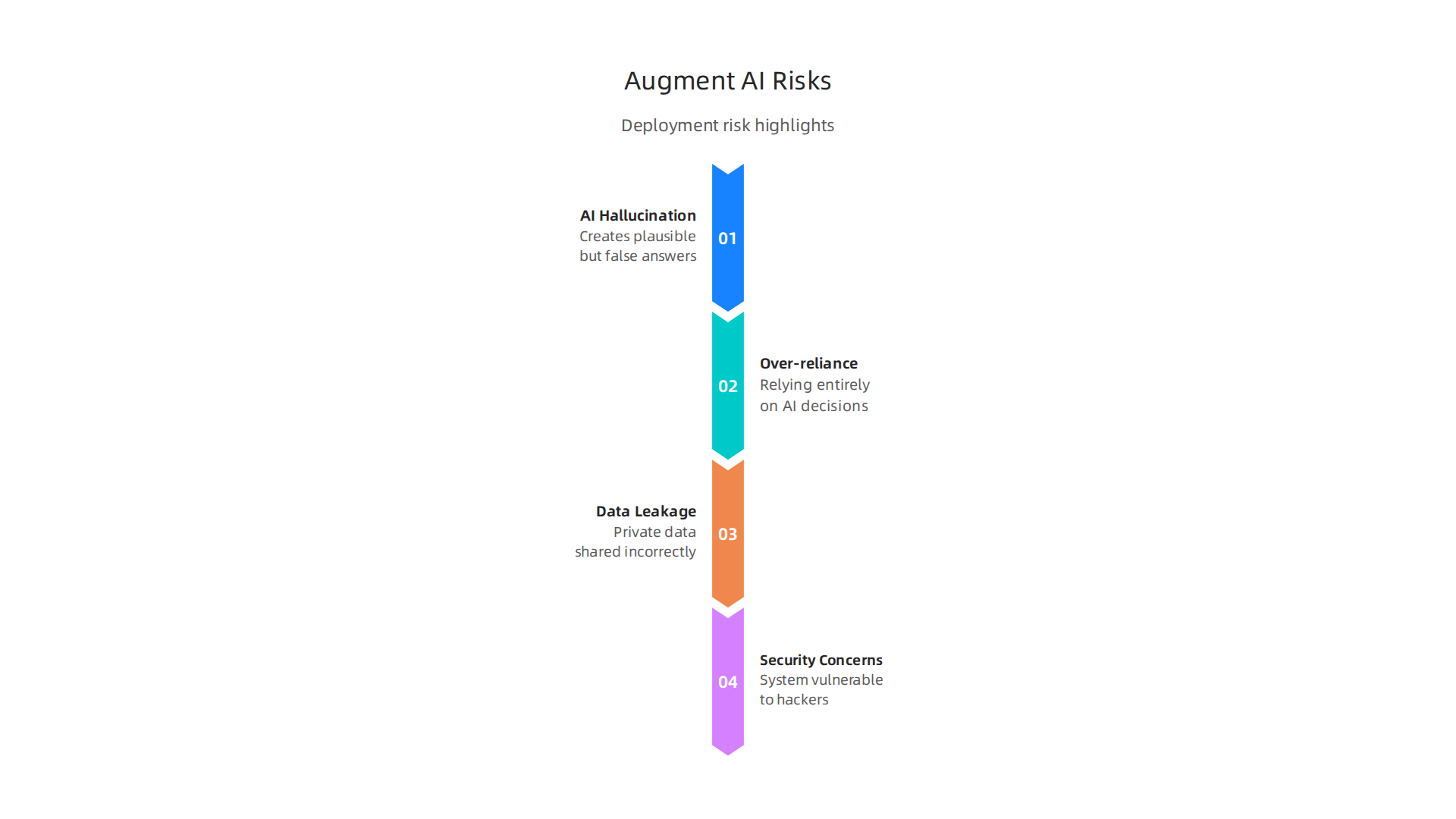
- AI Making Up Facts (Hallucination): Sometimes, an augment AI can create answers that sound right but are actually false. This is called "hallucination." It’s like the AI is dreaming up information. For important tasks, this could lead to bad decisions if people trust the AI too much without checking its facts.
- Trusting AI Too Much (Over-reliance): If people start to rely completely on AI for all their decisions, they might stop thinking critically themselves. This can be dangerous because AI is a tool, not a replacement for human judgment. Even when an AI like solvely ai helps with complex tasks, human eyes are still needed.
- Sharing Private Information (Data Leakage): Augment AI systems often work with a lot of data. There’s a risk that private or secret information could accidentally be shared or seen by the wrong people. Keeping data safe is a big job.
- Security Concerns: Like any computer system, augment AI can be attacked by bad actors. Keeping the AI safe from hackers and making sure it only does what it’s supposed to do is a constant challenge. This includes protecting the AI models themselves and the data they use.
These risks mean that companies must be very careful when bringing augment AI into their daily work. For more on these broader challenges, you can read about The Real Dangers of AI in 2026.
Important Topics for Augment AI Governance and Ethics
To handle these risks, companies need good "governance." This means having clear rules and ways to manage how augment AI is used. Think of it as a set of guardrails to keep the AI on the right track.
- Human Oversight: Even with advanced AI, people should always be in charge. This means having humans review AI decisions, step in when things go wrong, and make final calls. It ensures that machines don’t make big choices without human approval.
- Being Able to Check AI Work (Auditability): Businesses need to be able to understand how an AI reached a certain answer or made a decision. This "auditability" lets them check for fairness and mistakes. It’s like being able to look at the AI’s homework to see its steps.
- Using AI Responsibly: This is about making sure augment AI is used in ways that are fair, safe, and good for everyone. It means thinking about how AI affects people and society. For example, laws like the EU AI Act are now in place to make sure AI is deployed responsibly, especially for higher-risk uses. Many businesses follow frameworks like the NIST AI Risk Management Framework to guide their actions in 2026, which helps them identify, assess, and respond to AI risks across its entire lifecycle The Top Security, Risk, and AI Governance Frameworks for 2026.
- Rules and Laws: Governments around the world are creating rules for AI. In 2026, the EU AI Act is a big example, setting clear obligations for how companies should use AI AI Governance and Regulation 2026. Companies must follow these rules to use augment AI legally and ethically.
By focusing on these points, companies can make sure their augment AI solutions from providers like deepbrain ai, lightning ai, or otherhalf ai are not just powerful, but also safe and fair for everyone.
Moving from understanding the risks of augment AI to actually putting it to work requires a clear plan. Even with good rules for safety and ethics, a company still needs to know how to start small, check if things are working, and then grow its AI use over time. In 2026, a smart "playbook" is key to making sure augment AI helps your business without causing new headaches.
Practical adoption playbook: pilot, measure, and scale augmentation projects
Bringing augment AI into your company doesn’t have to be a big, scary jump. Instead, think of it like taking small, careful steps.

This helps you learn along the way and adjust as needed.
Step-by-Step Guidance for Piloting Augment AI
Starting with a pilot project is like a test run. It lets you see how augment AI works in real life before you commit too much.
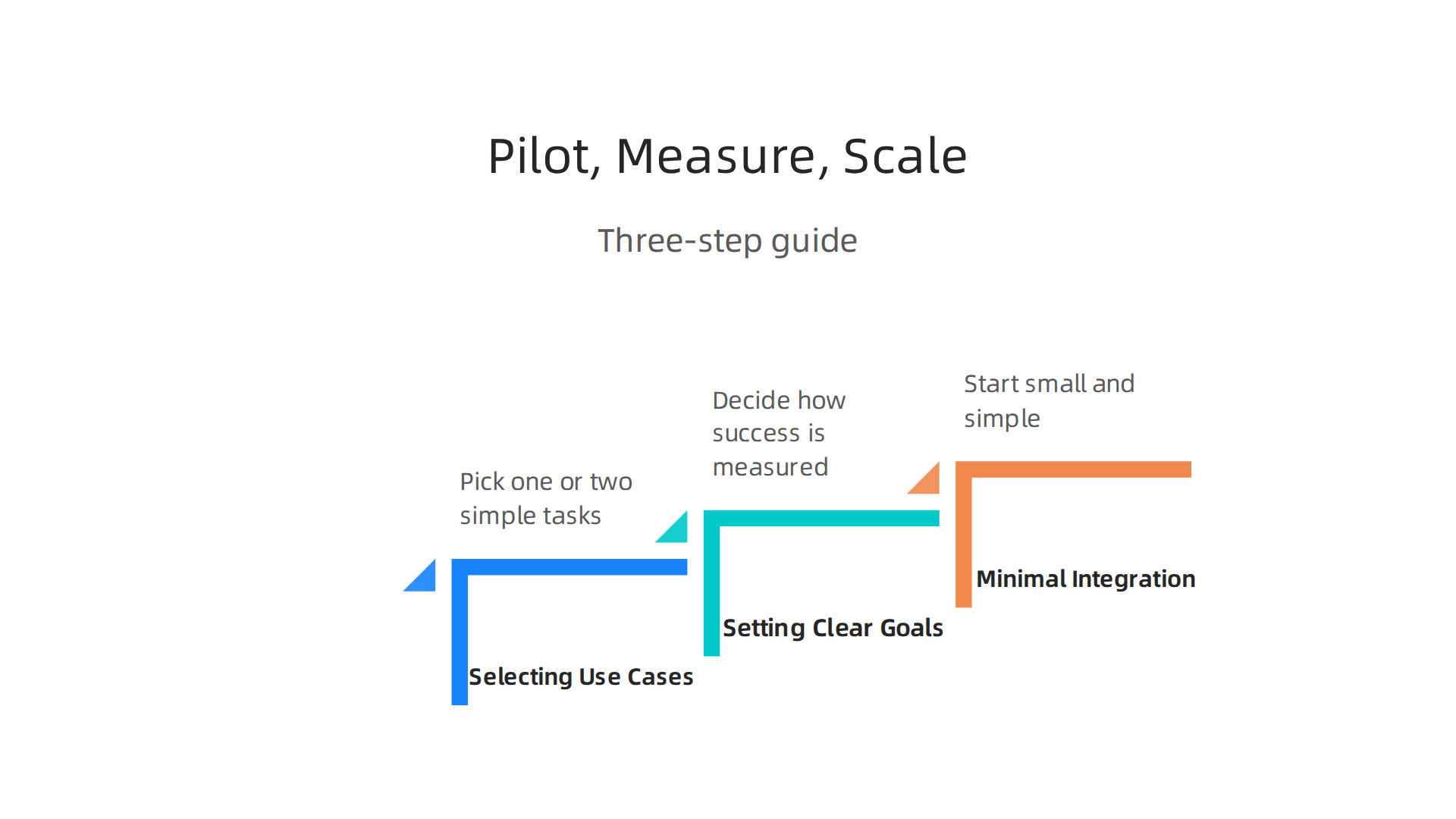
1. Selecting the Right Use Cases
First, pick one or two simple tasks where augment AI could make a big difference.
Don’t try to change everything at once. Look for areas where:
- People spend a lot of time on repetitive tasks.
- Decisions could be better with more information.
- There’s a clear problem you want to solve.
For example, using augment AI to help customer service agents answer common questions faster, or to sort through lots of data more quickly. You want to choose a niche and show how the AI can truly help people and save money or make more sales quickly, ideally in less than six months The 6 Most Profitable AI Businesses to Start in 2026.
2. Setting Clear Goals (KPIs)
Before you start, decide how you will know if your pilot project is a success. These are your Key Performance Indicators, or KPIs. They are like a scorecard.
- For customer service: Maybe you want to see a 10% faster response time.
- For data work: Maybe you want to reduce errors by 5%.
Having clear numbers helps you measure progress and know if the augment AI is truly helping.
3. Minimal Viable Integration
Start small and simple. Don’t try to build the perfect augment AI system right away. Think of it as a "minimal viable product" or MVP for your AI. This means:
- Use existing tools as much as possible.
- Only add the most important features.
- Make sure it works well for the small task you picked.
This approach lets you get feedback quickly and fix problems before they become too big. Choosing the right platform can make this easier, helping you select the best enterprise AI platform for your organization.
Measurement and Scaling Augmentation Projects
Once your pilot is running, it’s time to check its performance and plan for growth.
1. How to Assess Return on Investment (ROI)
ROI means checking if the money and effort you put into augment AI are giving you good results. This isn’t just about saving money; it’s also about seeing new value.
- Did the AI help your team get more done?
- Did it improve customer happiness?
- Did it help make better decisions that led to more business?
Keeping track of these things helps you show that augment AI is a smart choice for your company. Many companies in 2026 use a mix of traditional payment plans and performance-based fees to make sure AI investments pay off 20 Profitable AI Business Ideas for 2026 (Real Examples).
2. User Adoption
Even the best augment AI won’t help if people don’t use it. You need to make sure your team understands:
- How the AI helps them, not replaces them.
- How to use the AI tools like solvely ai easily.
- Why their feedback is important.
Training and support are key here. When people see the benefits and feel comfortable, they are more likely to adopt new tools and work better with deepbrain ai, lightning ai, or otherhalf ai solutions. Getting your team to master AI skills is important for this, as it helps them navigate new tools and paths Mastering AI in 2026: Key Skills, Learning Paths, and Career Strategies.
3. Managing Technical Debt
"Technical debt" means shortcuts or quick fixes made during the pilot that might cause problems later. As you scale up your augment AI, you need to:
- Clean up messy code.
- Make sure systems can handle more work.
- Update security measures.
Dealing with technical debt early keeps your AI systems running smoothly and prevents bigger problems down the road. It ensures your long-term augment AI strategy is solid.
To stay on top of the rapidly changing AI world and get concise, daily insights that help you pilot and scale your projects effectively, consider this:
Get clear daily AI updates from The AI Newsletter Worth Reading.
Summary
This article explains why