

Quick overview: What is a data analyst and why it matters now
In 2026, you hear a lot about "data" and "AI." But what is a data analyst, and why is this job so important? Simply put, a data analyst is like a detective for numbers. They look at raw information, clean it up, and then study it to find answers that help businesses make smart choices. This is called data analytics, and it’s all about turning numbers into clear actions.
A data analyst takes big sets of information and finds the story hidden inside. For example, they might look at what customers buy to help a store know which products to put on sale. Or they might study website visits to help a company make their online page better. Their main goal is to help an organization act based on facts, not just guesses.

This role involves collecting, cleaning, and interpreting data sets to solve problems and find insights for employers in many different fields, helping them answer important questions and support decisions Data Analyst: The Complete 2026 Career Guide.
They also help create reports and keep an eye on how well business plans are working Data Analyst Job Description [Updated for 2026].
Today, businesses need data analysts more than ever. Why? Because of how fast things are changing with new technologies like Artificial Intelligence (AI). Companies want to make "data-driven decisions," meaning every choice is backed up by solid information. This demand means there are many career paths for people who want to be data analysts. In fact, jobs focused on data are expected to grow much faster than most other jobs in the coming years Data Analyst Job Outlook 2026: Growth, Salaries & Career …. For those just starting out, finding a role like an Data Analyst Entry Level Jobs 2026 is becoming easier due to this high demand.
In this guide, you will learn all about the world of data analytics in 2026. We’ll cover the important skills you need, the best tools to use, different career paths you can take, and a clear plan for learning. We’ll also show you how to stay current in this fast-moving field, especially with AI changing everything so quickly.
Get clear daily AI updates from The Deep View Newsletter. Discover The AI Newsletter Worth Reading today!
A data analyst helps businesses solve many kinds of real-world problems. Think about a company that sells clothes online. If their sales suddenly drop, a data analyst steps in. They gather information on customer visits, what people clicked on, and what they bought (or didn’t buy). They might find that sales dropped because the website was too slow, or because a certain clothing style became less popular. By finding these answers, the analyst helps the company decide what to fix. Maybe they need a faster website or new clothing designs. This work directly helps businesses save money or make more money, showing a clear, measurable impact. They turn raw numbers into clear steps a company can take to do better, as many jobs require the professional to collect, clean, and interpret data to solve problems What Does a Data Analyst Do? Your 2026 Career Guide.
Now, you might hear about other jobs that sound similar. What is a data analyst compared to a data scientist or a Business Intelligence (BI) developer?
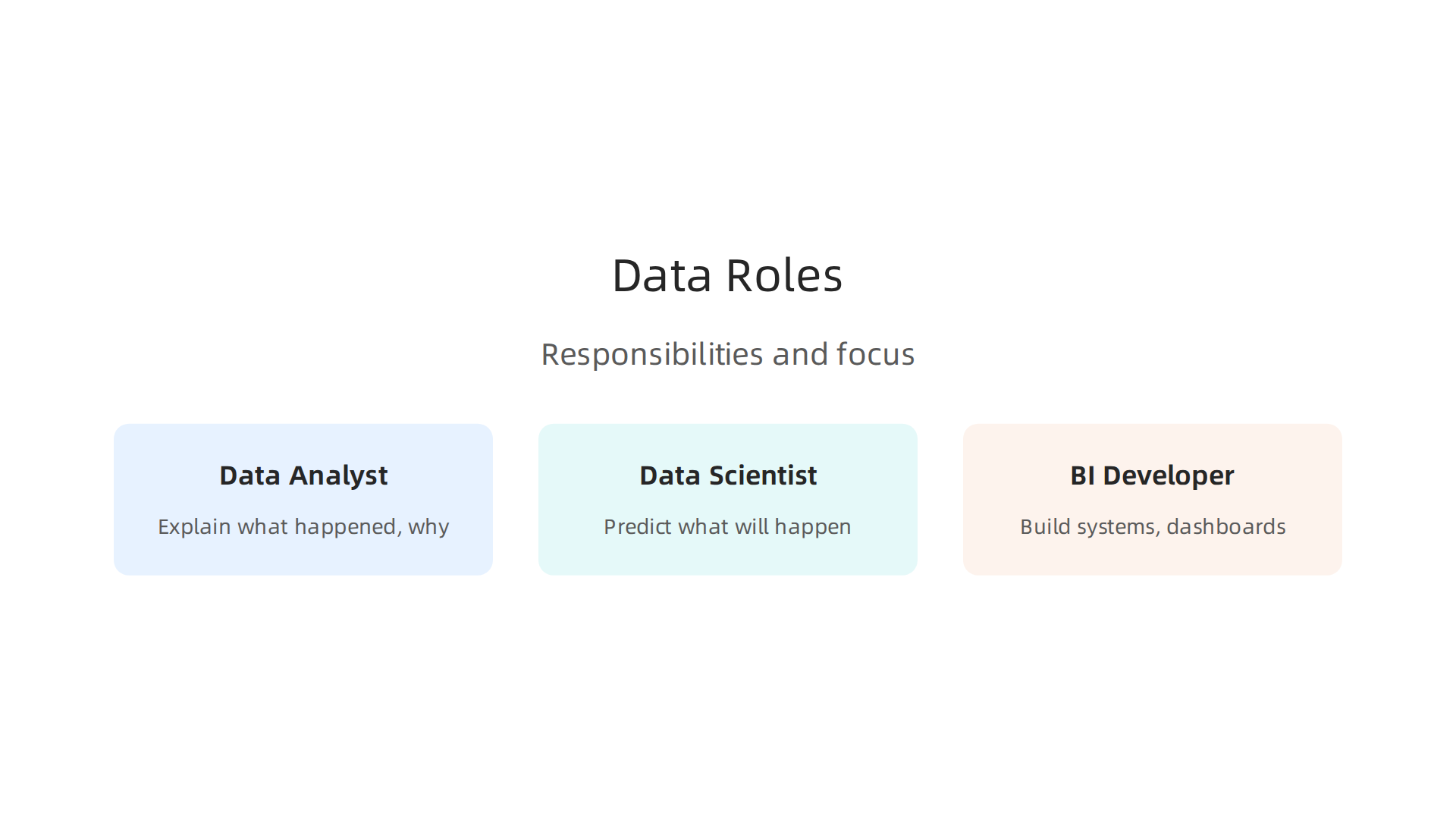
They all work with data, but in different ways.
- Data Analyst: Like we said, they explain what happened and why. They use past and present data to show trends and help with choices for today and tomorrow. They often create easy-to-understand reports and charts.
- Data Scientist: These roles go a step further. They use more complex math and coding to predict what will happen in the future. They might build systems that recommend products to you online or forecast sales for the next year. You can learn more about their work in our guide to mastering the data science process.
- BI Developer: These pros build the systems and dashboards that data analysts and other business people use to see and explore data. They are like the architects who create the special rooms where everyone can look at information easily. If you’re interested in this path, check out our insights on a Business Intelligence Analyst 2026 Skills, Salary, and Career Roadmap.
As for what companies expect from data analysts in 2026, it really depends on your experience level.
- Entry-Level Data Analyst: If you’re just starting, employers look for basic skills. Can you use spreadsheet programs like Excel? Do you know how to ask questions using SQL, a special language for databases? Can you clean up messy data and make simple charts? They also want you to be curious and eager to learn. A good understanding of the basic analytics definition is key.
- Mid-Level Data Analyst: With a few years under your belt, companies expect more. You should be able to handle bigger projects by yourself. Knowing programming languages like Python or R helps a lot, especially for more advanced analytics. You should also be good at explaining complex findings to people who aren’t technical. Sometimes, mid-level analysts also help manage or guide newer team members. They might work with powerful software, sometimes including a specialized financial analysis platform for finance roles.
The world of data analytics is always changing, especially with new AI tools appearing all the time. Staying up-to-date is super important for anyone in this field.
Get clear daily AI updates from The Deep View Newsletter. Discover The AI Newsletter Worth Reading today!
To truly succeed as a data analyst in 2026, you need a mix of technical know-how and clever soft skills. Think of it like building a house: you need the right tools (technical skills) and a smart plan (soft skills) to make it strong and useful.
Key Technical Skills for a Data Analyst
The world of data is big and can be messy. A good data analyst knows how to handle it.
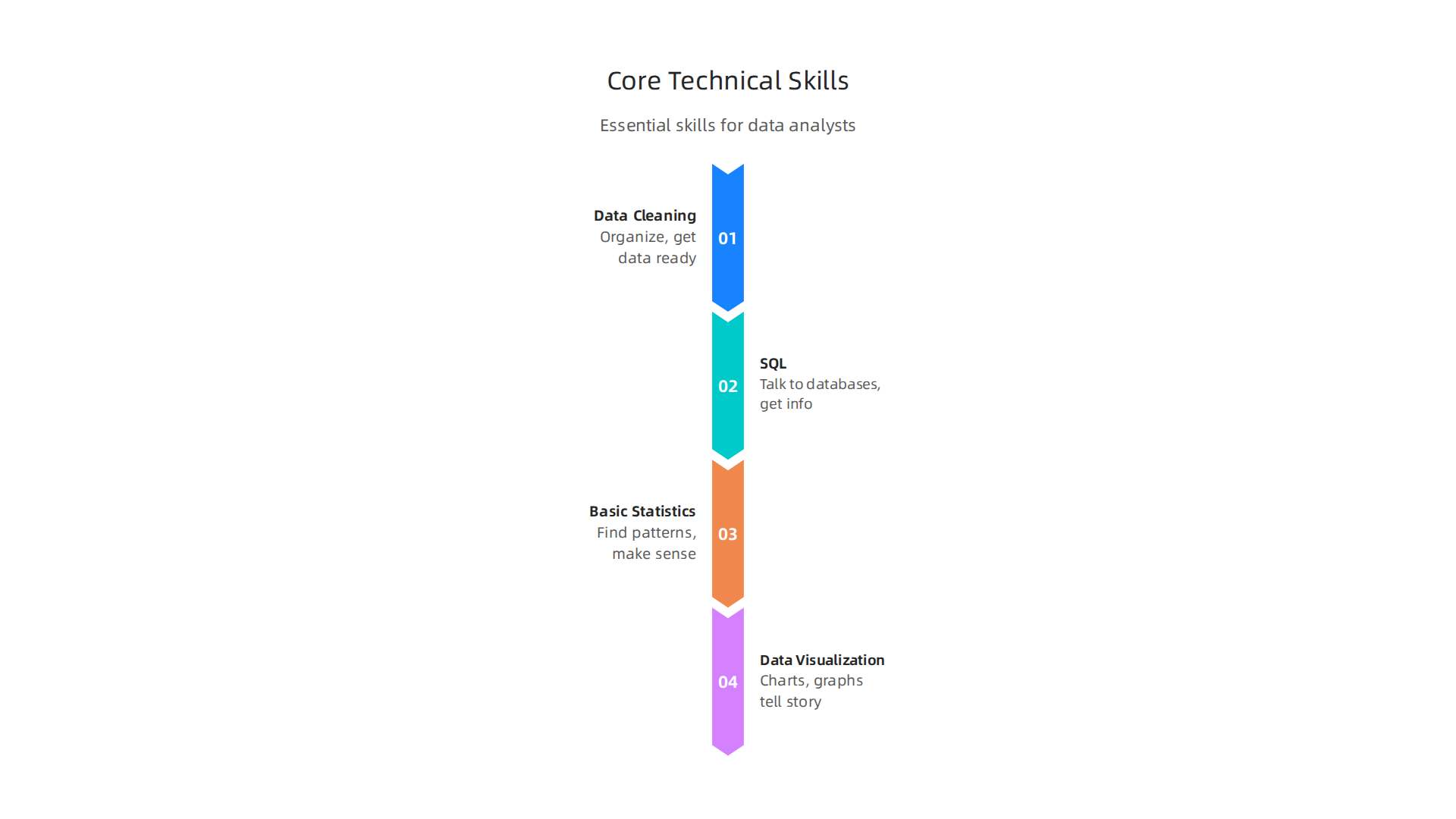
- Data Cleaning and Preparation: Data often comes with errors, missing parts, or in confusing formats. Learning to clean, organize, and get data ready for use is a main job for any data analyst. This makes sure your insights are based on good information, not bad. It is a foundational skill for essential data analytics tasks in 2026 Essential Data Analytics Skills for 2026.

- SQL (Structured Query Language): This is like the secret language for talking to databases. SQL lets you ask for specific pieces of information, put different data together, and change how it looks. It’s super important, with many job postings requiring it in 2026 Top Data Analyst Skills in 2026.
- Basic Statistics: You don’t need to be a math genius, but understanding basic statistics helps you find patterns and make sense of numbers. This includes knowing things like averages, how data spreads out, and what these mean for business problems.
- Data Visualization: Once you find interesting things in the data, you need to show them to others in a clear way. Data visualization means making charts, graphs, and dashboards that tell a story quickly. This makes it easy for everyone, even those not good with numbers, to understand your findings. This is a key part of turning raw data into clear answers Data Analyst Job Description 2026: Skills & Roadmap.
Essential Tools and Programs
Along with skills, data analysts use special tools.
- Spreadsheets: Programs like Excel are still very important. They help you organize small to medium amounts of data, do simple calculations, and create basic charts. Many companies still rely on Excel daily Data Analyst Skills for 2026: Excel, SQL, Power BI, Python ….
- SQL Engines: These are the programs where you use SQL to work with big databases. MySQL and PostgreSQL are common examples.
- Business Intelligence (BI) Tools: These tools help you build those helpful dashboards and reports. Power BI and Tableau are two very popular ones that let you explore data visually and share insights easily. In 2026, Power BI and Tableau are frequently listed in job requirements Most In-Demand Data Analytics Skills in 2026 (Based on …).
- Scripting Languages: For more complex tasks, data analysts might use programming languages like Python or R. These languages help you do advanced data cleaning, build models, and automate tasks. Python, especially with libraries like Pandas and NumPy, is very useful for manipulating data.
- AI Tools: As AI becomes common, some data analysts use new tools like Julius AI or even ChatGPT to help with tasks or get quick ideas 14 Data Analyst Tools You Need to Learn in 2026 (Ranked by …).
You can explore options for learning these programs by looking into the top data analysis certifications 2026 for AI professionals.
Important Soft Skills
It’s not all about computers. How you work with people matters a lot too.
- Communication: You might find amazing things in data, but if you can’t explain them clearly to others, they won’t be helpful.
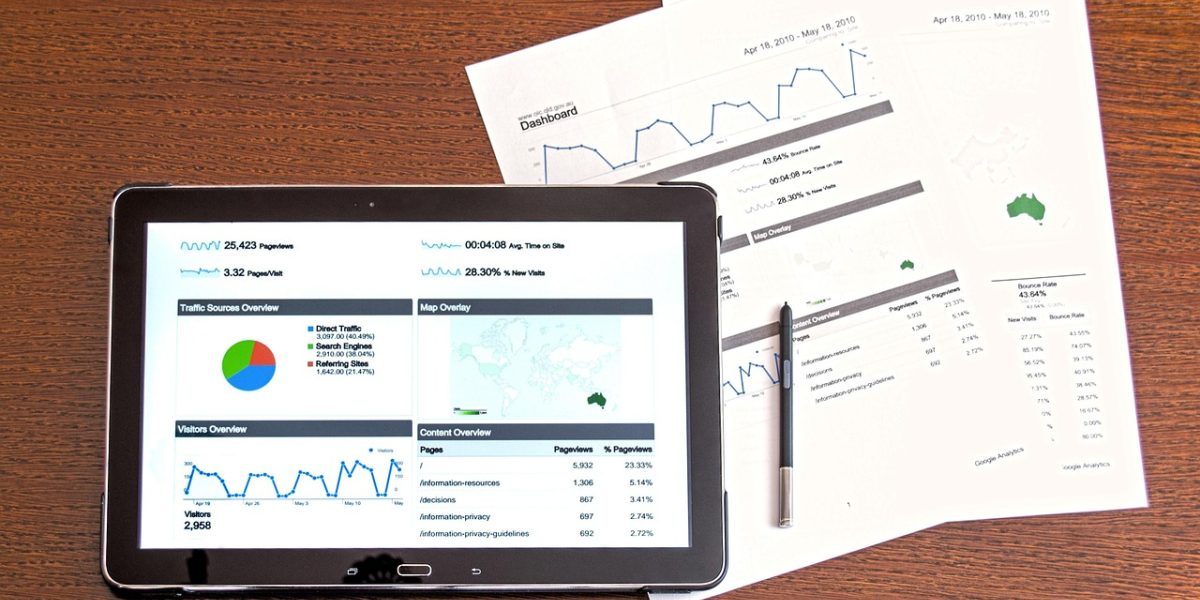
Being able to tell a simple story with your data, both in writing and speaking, is a must-have skill.
- Problem Framing: Before you even look at data, you need to know what question you are trying to answer. A good data analyst can take a big, unclear business problem and turn it into smaller, clear questions that data can solve. They define the problem before diving into numbers Data Analyst Jobs in 2026: Salary, Skills & AI Career Path ….
- Domain Knowledge: This means understanding the business you are working for. If you know how a clothing company or a hospital works, you can ask better questions and find more useful insights in their data.
Combining these technical skills with strong soft skills makes you a very valuable data analyst. It helps you not just find answers, but also make sure those answers truly help the business grow. If you’re looking to start a career, there are many data analyst entry level jobs 2026 land your first role available that seek these combined abilities.
After you have these strong skills, you might wonder, "What is a data analyst’s next step?" The journey in data analytics often starts with entry-level roles, but it can lead to many exciting paths.
Typical career paths and specializations (analytics, BI, domain-focused roles)
Becoming a data analyst is just the beginning of a rewarding career. People usually start as a Junior Data Analyst. In this role, you learn the basics, clean data, and help create reports. After gaining some experience, often two to three years, you can grow into a Senior Data Analyst. Here, you work on more complex projects, lead smaller tasks, and help guide junior team members. You dig deeper into the meaning behind the numbers.
From a Senior Data Analyst, you have a few main directions you can go:
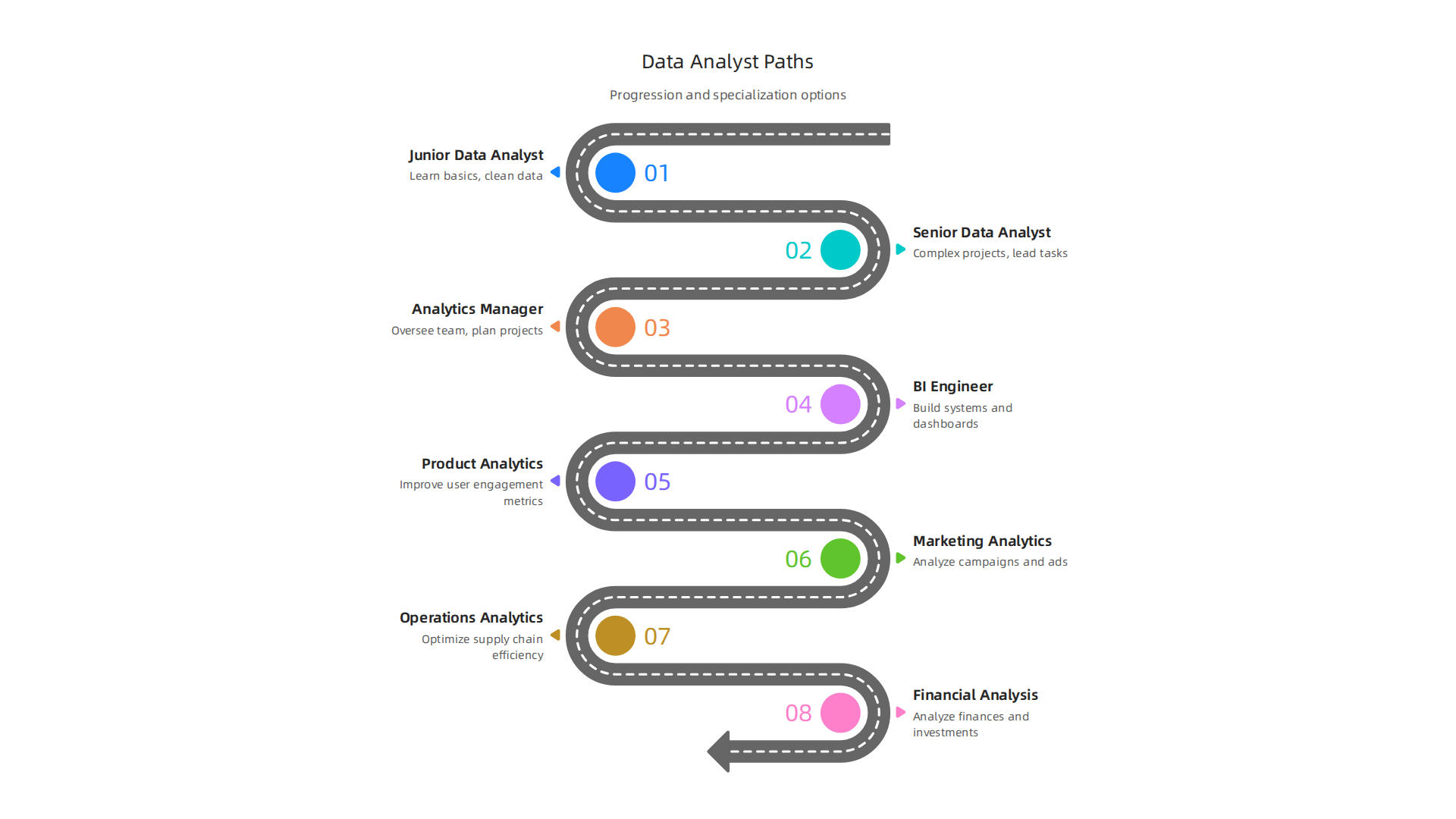
- Analytics Manager: If you like leading teams and setting strategies, you might become an analytics manager. In this role, you oversee a group of data analysts, plan projects, and make sure the insights help the business reach its goals.
- Specialist Tracks: Many data analysts choose to focus on a certain area. This means becoming an expert in one type of data or industry. These specialized roles often require deeper knowledge of specific business areas and tools. For instance, you could focus on:
- Marketing Analytics: Here, you study how marketing campaigns are doing. You look at website traffic, ad performance, and customer behavior to help companies spend their marketing money wisely.
- Product Analytics: This involves understanding how people use a product. You might track features, user engagement, and feedback to help make the product better.
- Operations Analytics: This path looks at how a business runs day-to-day, like supply chains or efficiency. You find ways to make processes smoother and save costs.
- Business Intelligence (BI) Engineer: Instead of just analyzing data, a BI engineer builds the systems and dashboards that others use for reporting. They make sure the right data is available in easy-to-understand formats for business users. If this sounds interesting, you can learn more about the Business Intelligence Analyst 2026 role.
- Financial Analysis: If you enjoy working with money-related data, you might use a financial analysis platform to help companies make smart investment choices or understand market trends.
Choosing a specialization changes what skills you need to highlight and how you look for jobs. For example, a marketing analyst would focus more on tools like Google Analytics, while a BI engineer might dive deeper into building data warehouses. Some roles might even involve understanding how AI models are used in specific industries, which you can explore in how AI models in 2026 are transforming every major industry.
No matter the path, the core idea is still the same: you use data to understand things better and help make good decisions. To successfully change your career into data analytics, it’s wise to clarify your target role early on and build a strong portfolio of projects that show your skills, as many experts advise in 2026 How to Transition Into Data Analytics. Knowing what you want to specialize in helps you focus your learning and makes your job search much more effective.
So, you’ve learned about the different jobs you can have in data analytics. But how do you actually get there? How does someone become a data analyst from the very start? It all comes down to a clear learning plan.
A practical learning roadmap: From beginner to hireable (courses, bootcamps, projects)
To become a data analyst, you need to follow a few key steps. Think of it like a journey with different stations where you pick up new skills and show what you can do.
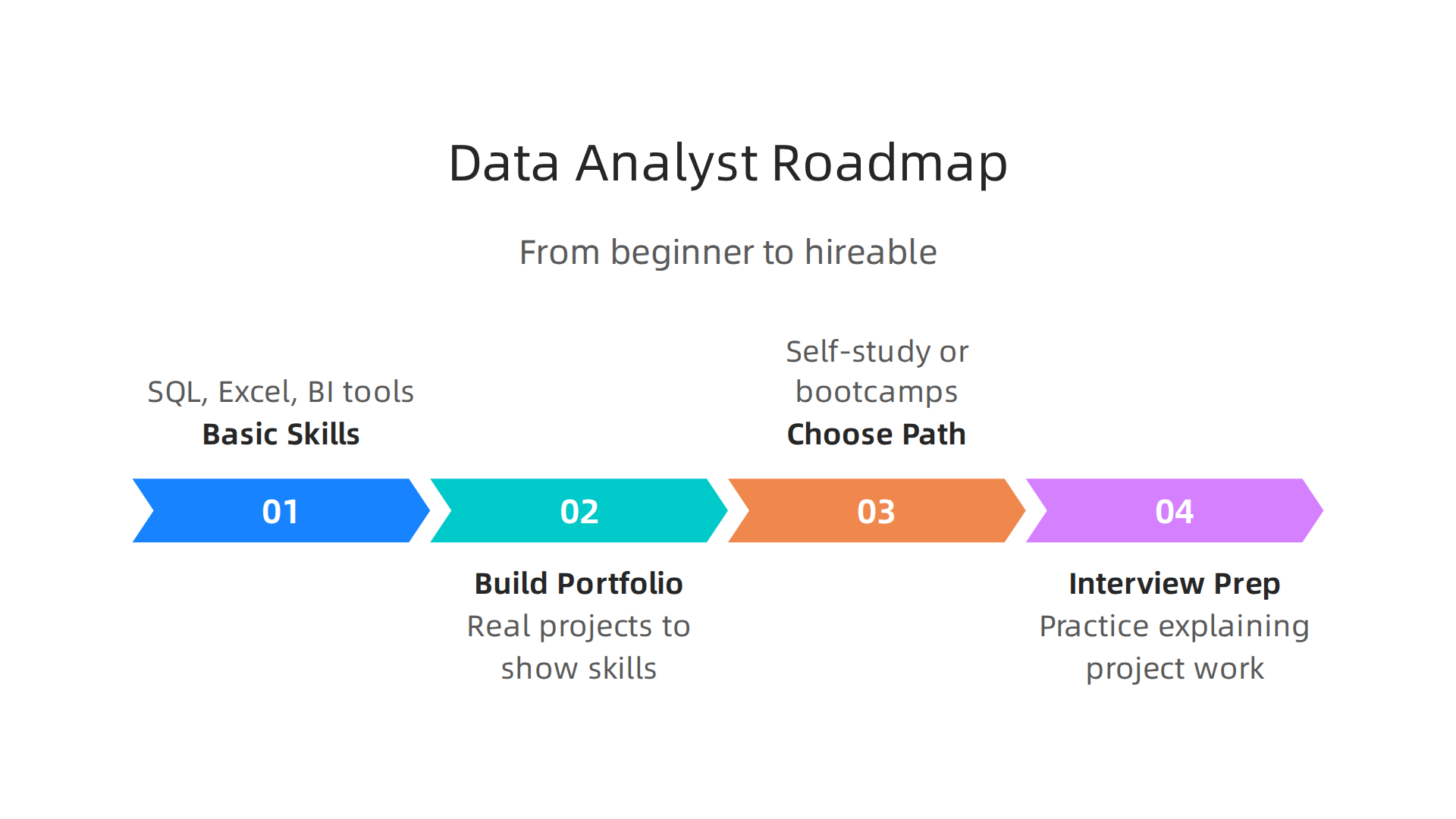

Step 1: Learn the Basic Skills
First, you need to learn some core tools and ideas. In 2026, there are a few skills that almost all data analyst jobs ask for.
- SQL (Structured Query Language): This is how you talk to databases to get information. It’s super important. Many jobs require SQL skills, appearing in almost half of all data analyst job postings today Top Data Analyst Skills in 2026.
- Excel or Google Sheets: Even with fancy new tools, spreadsheets are still very useful for cleaning, organizing, and looking at small sets of data. It’s still used in many companies Data Analyst Skills for 2026: Excel, SQL, Power BI, Python ….
- A BI Tool (like Power BI or Tableau): These tools help you make nice charts and dashboards to show your findings. Power BI and Tableau are very popular choices Data Analyst Skills & Tools You Need in 2026 (Ranked by …).
- Python (with pandas): This is a computer language used for more complex data work, like cleaning big datasets or doing advanced analysis.
- Statistics: Understanding basic statistics helps you make sense of numbers and avoid wrong conclusions.
These five skills cover a lot of what a data analyst does every day The ONLY 8 Data Analyst Skills That Matter in 2026. You can learn these through online courses, like the Google Data Analytics Professional Certificate is it worth it for your 2026 career, or by using free online guides.
Step 2: Build a Portfolio with Real Projects
Once you know the basic tools, it’s time to actually use them. Employers want to see what you can do, not just what you’ve learned. This is where projects come in. Your portfolio is a collection of your work that shows off your skills.
- What kind of projects? Do projects where you clean messy data, find trends, and create reports or dashboards. For example, you could analyze sales data, website traffic, or public information.
- What employers look for: They want to see that you can solve real problems and turn data into clear ideas. A strong project can show your ability to clean data, find patterns, and explain your findings The Reality of Placements in Data Analytics Bootcamps – Medium.
- How many projects? Aim for at least one big project that shows all your skills, often called a capstone project. Some programs even offer many mini-projects and capstone projects to help you build a solid portfolio Online Data Analytics Bootcamp.
Step 3: Choose Your Learning Path (Self-Study or Bootcamps)
You have a few ways to get these skills and build your portfolio:
- Self-study: This means learning on your own using online courses, books, and free resources. It’s flexible and can be cheap, but it needs a lot of self-discipline.
- Data Analytics Bootcamps: These are faster, more intense programs that teach you the skills and often help you build a portfolio. Many bootcamps also offer career support, like help with resumes and interview practice 5 Best Data Analytics Bootcamp 2026 with Job Guarantee.
- Time: Bootcamps usually take a few months.
- Results: Many bootcamps report good job placement rates. For example, some show that about 79% of graduates find jobs within six months, with good starting salaries The 5 Best Data Analytics Bootcamps in 2026 – Newsdata.io. Look for programs with transparent and checked results for the most honest numbers Data Analysis Bootcamps: Are They Worth It in 2026?.
Step 4: Prepare for Interviews
Once you have your skills and a strong portfolio, the last step is to get ready for job interviews.

This often means practicing how to talk about your projects and how you solve problems. Many bootcamps include this as part of their program, helping you prepare to land data analyst entry level jobs in 2026.
Following this roadmap can help you successfully change careers and become a data analyst. Staying updated with the fast-changing world of data and AI is also very important.
Get clear daily AI updates from The AI Newsletter Worth Reading.
You’ve learned about the steps to become a data analyst, from picking up skills to building a portfolio. Now, let’s talk about how to make sure all that hard work truly helps you get hired.
Certifications vs. Real Projects: What Matters More?
While certifications show you’ve learned certain skills, like the basics of SQL or a specific AI factor investing platform, what truly opens doors is showing what you can do. Think of it this way: a driver’s license proves you know the rules, but actually driving a car shows you can get from point A to point B. Employers want to see how you apply your skills to solve real problems. That’s why your portfolio, filled with projects, is so important. It’s often more valuable than just a certificate alone Is Data Analyst Training With Job Guarantee Worth It in 2026?. Many bootcamps, for example, offer strong practical training and career support, going beyond just issuing a certificate Can You Get a Job After a Data Analytics Bootcamp?.
Your Interview-Ready Portfolio: A Checklist
To stand out as a promising data specialist candidate, your portfolio needs to be top-notch. Here’s a quick checklist:
- Show Variety: Include projects using different tools (SQL, Python, Excel, Power BI).
- Tell a Story: Each project should explain the problem you solved, your steps, and the insights you found.
- Clean and Understandable: Make sure your project code is neat, and your reports are easy to follow.
- Real Data: Use real-world datasets whenever possible. This shows you can handle messy data.
- Present Your Work: Have a clear way to show off your projects, like a personal website or a GitHub page.
Acing Data Analyst Interviews
Interviews for data analyst roles usually have a few parts:
- Technical Questions: Expect questions about SQL, Excel, or Python. You might even do a live coding test.
- Case Studies: You’ll get a business problem and need to explain how you’d use data to solve it. This tests your understanding of the analytics definition in a real-world setting.
- Behavioral Questions: These are about how you work with others, solve problems, and handle challenges. For example, how you’d work with a QA analyst on data quality issues.
Soft Skills and Business Savvy
Beyond technical skills, companies look for soft skills. Can you explain complex data in simple terms? Can you work well in a team? How do you handle feedback? These are crucial. Also, understanding the business reason behind your analysis is key. It’s not enough to just pull numbers. You need to explain what those numbers mean for the business and how they can help make better decisions. Being able to connect your data findings to business goals shows you are more than just a numbers person; you are a strategic partner. This might involve understanding how data impacts areas like financial planning, using tools similar to Business Intelligence Analyst platforms.
The world of data moves very fast. Just when you learn one new tool, another one comes along. To keep being a great data analyst, you need to keep learning all the time. This means staying updated on new tools, methods, and what the role of "what is a data analyst" means today, in 2026.
Your Daily Dose of Data Wisdom
Think of your learning like a healthy "information diet." You want good, fresh information, not just a lot of noise. Here’s how to build one:
- Newsletters that Matter: Many smart people send out emails each week or month with the most important news and ideas in data. Subscribing to a few good ones can save you a lot of time. For example, some great options for staying informed include Data Science Weekly, Data Elixir, or The Median by DataCamp 16 Must-Subscribe Data Science Newsletters for 2026. These curated lists help you see what’s new in topics like analytics and AI.
- Join Communities: Being part of online groups or forums where data professionals hang out can be super helpful. You can ask questions, share what you know, and learn from others’ experiences. This helps you understand new trends and even specific tools, like an emerging financial analysis platform.
- Learning Habits: Set aside a little time each week. Maybe it’s an hour on a Saturday morning. Use this time to read a new article, try out a new feature in Excel, or practice your SQL skills.
How to Find Good Information
With so much information out there, it’s easy to get lost. Here’s how to pick the best sources:
- Look for Experts: Follow people and organizations that are known for their deep knowledge in data. Often, these are established professionals or educational platforms.
- Check the Date: Data changes quickly. Make sure the information you are reading is recent. What was true for an analytics definition in 2024 might be different in 2026.
- Filter Out Noise: If an article or post sounds too good to be true, it probably is. Stick to sources that show their work and explain things clearly, rather than making big, unsupported claims. For daily insights into new AI developments and their impact on data, there’s a valuable resource available. The AI Newsletter Worth Reading.
Your Weekly Refresh Routine
Having a regular plan helps you stay sharp:
- Monday Morning Scan: Quickly read your chosen newsletters to get a sense of the week’s big data news. This helps you know what’s current, like updates on what an AI specialist needs to know or new developments for a data analyst entry level jobs.
- Mid-Week Deep Dive: Pick one interesting article or new tool from your scan and spend an hour learning more about it. This could be exploring a new feature in a business intelligence tool or understanding the latest in mastering AI in 2026.
- Weekend Project Time: If you have time, spend an hour or two on a small project that uses a new skill you’ve learned. This could be cleaning a messy dataset, building a new dashboard, or trying out an update to a tool like IBM Planning Analytics. This hands-on practice helps you truly understand and remember new ideas.
By making continuous learning a habit, you’ll ensure your skills as a data analyst are always ready for what’s next.
The world of data is always changing, and many people want to join it. If you’re thinking about becoming a data analyst but come from a different kind of job, you’re not alone! It’s very possible to make this switch in 2026. The trick is to see how your old skills can help you in a new role.
Finding Your Fit: Transferable Skills and Reframing Your Experience
You might be surprised by how much you already know that helps with what is a data analyst role. For example:
- Problem-Solving: Do you often figure out tough problems at work? That’s a big part of data analytics. Data analysts look at data to find answers and solutions.
- Paying Attention to Detail: Maybe you were a qa analyst or worked in a job where being exact mattered. This skill is key for checking data and making sure it’s right.
- Working with Numbers: If you’ve been in finance, you already handle numbers and reports. You might even understand how a financial analysis platform works. This is a great start for understanding data trends.
To make the jump, you need to show how your past jobs fit a data analyst role. Think about how you used data, even if it was just in simple reports or spreadsheets. On your resume, use words that show you understand the analytics definition and what a data analyst does. Many people successfully change careers by focusing on their past experiences and matching them to data roles Career Change Guide: How to Transition Into a Data Analyst Role.
Common Mistakes and How to Avoid Them
When you’re trying to become a data analyst, some common pitfalls can slow you down:
- Only Getting Certifications: While online courses and certifications, like a Google Data Analytics Professional Certificate, can teach you a lot, they’re not enough on their own. Employers also want to see that you can actually do the work.
- Not Having a Clear Goal: Applying for every data job you see can be tiring and not very helpful. It’s better to pick a few types of data analyst roles you like and focus on those. This helps you tailor your learning and projects.
- Not Building a Portfolio: A portfolio is like a show-and-tell for your data skills. It’s a place to put your own data projects. This is where you prove you can apply what you’ve learned. You can even use publicly available data sets to create projects that show off your skills Data Analytics Career Change Guide for Working.
Your 3-6 Month Data Career Transition Plan
Ready to make the switch? Here’s a quick plan for the next few months:
- Learn the Basics (Month 1-2): Start with important tools like Excel and SQL (for working with databases). There are many free and paid courses online to help you learn these skills.
- Pick a Key Tool (Month 3): After the basics, choose one Business Intelligence (BI) tool to learn well. This could be something like IBM Planning Analytics or another popular tool. This helps you create clear dashboards and reports.
- Build Projects (Month 4-5): Work on one or two real-world projects. Use free data sets you can find online or even data from your current job (if allowed). These projects are what you’ll put in your portfolio.
- Network and Apply (Month 6): Start talking to people who work in data analytics. Join online groups and attend virtual events. When you apply for jobs, make sure your resume and cover letter clearly show your new skills and projects.
By following these steps, you can set yourself up for a successful move into data analytics in 2026.
Summary
A data analyst turns raw numbers into clear actions that help businesses solve problems and make decisions; this article explains that role and why it’s in high demand in 2026 as AI reshapes work. It walks you through the core technical skills (SQL, Excel, statistics, BI tools, Python), important soft skills (communication, problem framing, domain knowledge), and the practical tools analysts use every day. You’ll find a step-by-step learning roadmap—from basics to portfolio projects—plus advice on choosing between self-study, bootcamps, and certifications. The guide covers how to prepare for interviews, build a standout portfolio, and choose specializations like marketing, product, or BI engineering. It also shows how to transition from non‑technical roles by reframing transferable skills and avoiding common mistakes. Finally, the article recommends routines and resources to keep your skills current as tools and AI evolve rapidly.